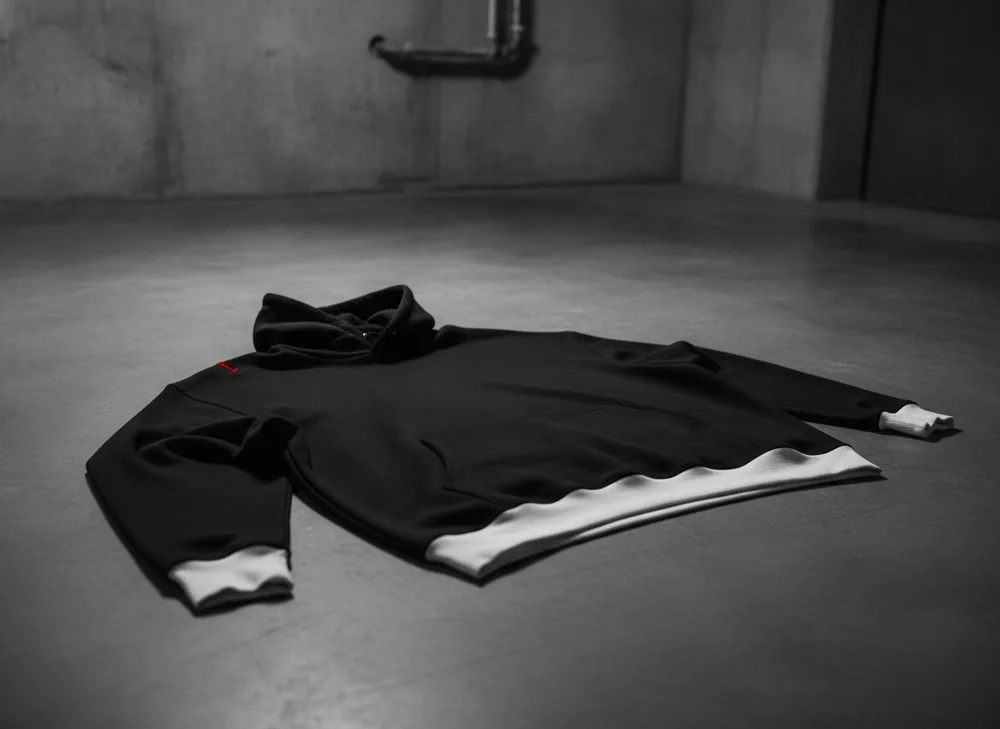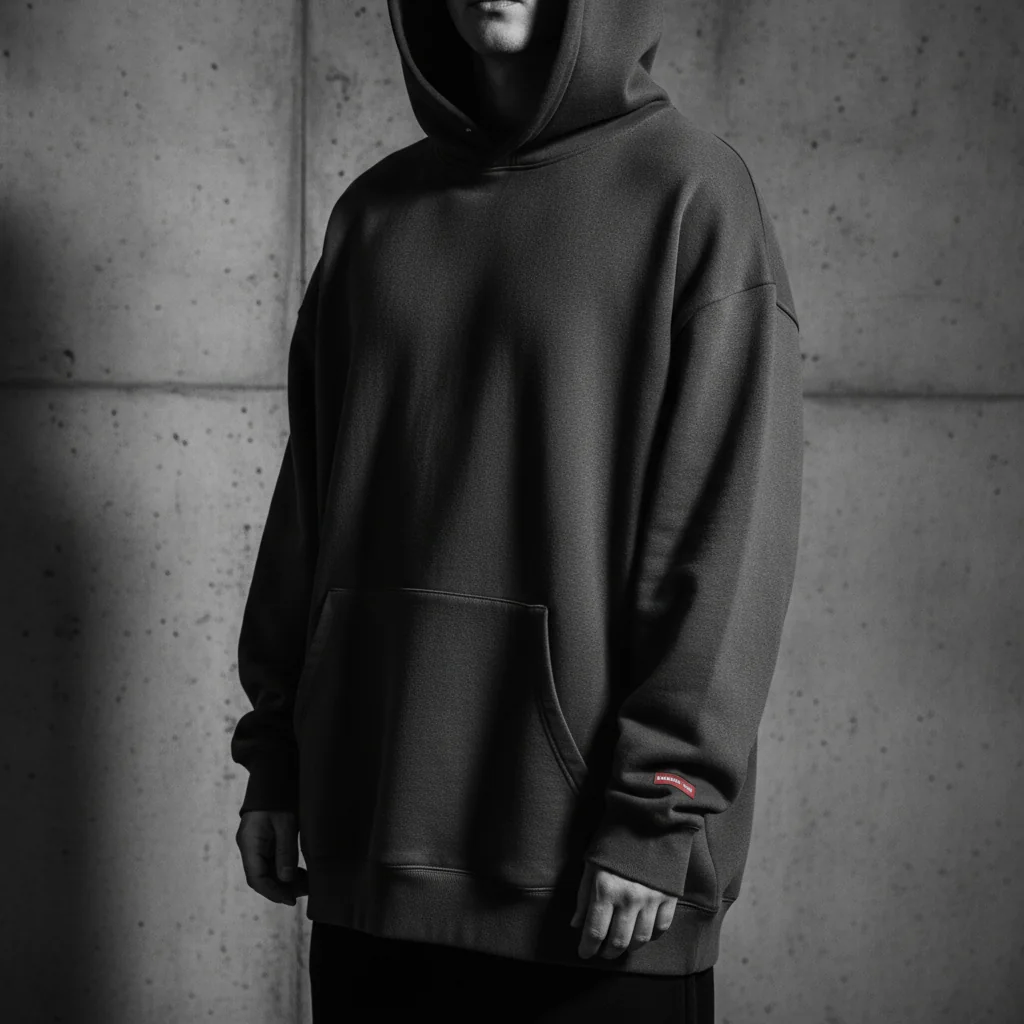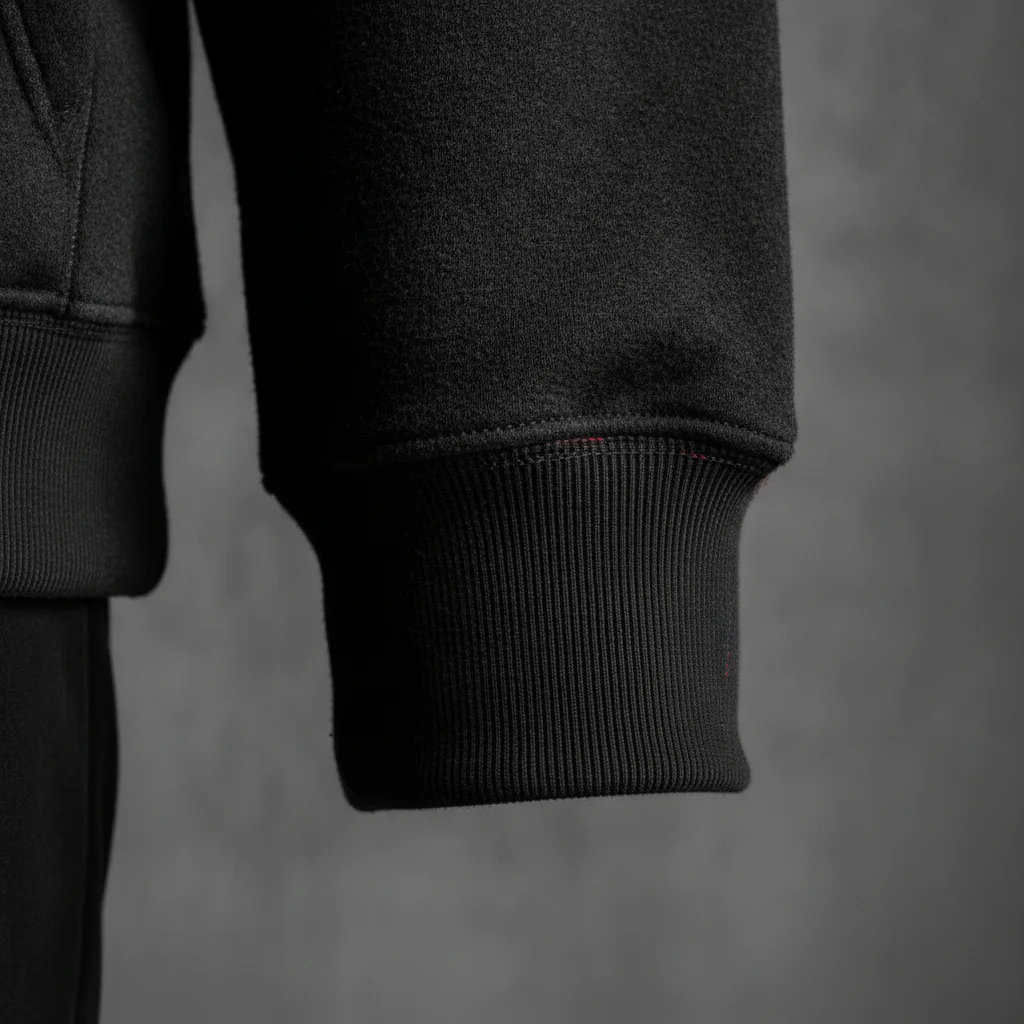
320 to 400+ GSM heavyweight cotton fleece is best for hoodies built for a structured, premium streetwear feel, while 240 to 280 GSM suits lighter layering pieces for warm climates. Most premium streetwear brands settle on 340 to 380 GSM as the sweet spot between substance and cost.
GSM, grams per square meter, is the single number that predicts how a hoodie will feel, drape, and photograph before you ever touch the fabric. Brands searching for the best GSM are, in most cases, asking a more specific question: what weight matches my price point, my climate, and my silhouette. There is a defensible answer, and it depends on those three variables.
What GSM Measures and Why It Matters
GSM measures the mass of fabric per square meter, so a higher number means more fiber packed into the same area of cloth. In hoodies, that translates directly into hand-feel (how substantial it feels when you pick it up), drape (whether it hangs structured or soft), warmth, and how well it holds a print or embroidery placement without puckering.
A 220 GSM fabric feels close to a heavier t-shirt jersey. A 400 GSM fabric has visible loop texture, real body, and a matte finish that reads as premium in both hand and photograph. The gap between those two numbers is the gap between a promotional giveaway hoodie and a flagship streetwear drop.
The Case for 320-400+ GSM Heavyweight Fleece
Heavyweight fleece is the standard choice for streetwear brands because it does three things lighter fabric cannot: it holds a boxy or oversized silhouette away from the body, it resists pilling and thinning over repeated washes far longer, and it gives screen print and embroidery a stable surface that keeps registration clean run after run.
The tradeoff is cost – heavier fabric uses more raw material per garment, so a 400 GSM hoodie will always cost more per unit than a 260 GSM one. For a brand pricing hoodies at 55 dollars or above retail, that added cost supports the perceived value increase in hand. Our heavyweight hoodie manufacturing line is built specifically around this range, with fabric sourced and cut in-house rather than bought pre-made, so the GSM on the spec sheet matches the GSM you feel in your hands.
The Case for 240-280 GSM Lightweight Fleece
Lightweight fleece is not a lesser option – it is the correct choice for specific conditions: warm-climate markets, layering pieces meant to go under a jacket, or a lower retail price point where a lighter fabric keeps landed cost manageable without sacrificing quality. A well-constructed 260 GSM hoodie in a slim or regular fit reads as considered and deliberate when the fit and finish are executed properly.
Brands selling primarily into Miami, Houston, or similar warm-weather markets often find a 240 to 280 GSM hoodie outsells a heavyweight equivalent, simply because customers wear it more months of the year.
GSM Comparison Table
| GSM range | Hand-feel | Best climate | Best fit | Retail positioning |
|---|---|---|---|---|
| 220-260 | Soft, close to heavy t-shirt weight | Warm, year-round layering | Slim, regular | Entry to mid retail |
| 280-320 | Balanced, versatile | Temperate, transitional seasons | Regular, relaxed | Mid retail |
| 340-380 | Substantial, structured | Cool climates, year-round drops | Boxy, oversized | Premium retail |
| 400+ | Heavyweight, statement piece | Cold climates, winter flagship | Oversized | Flagship retail |
How Decoration Method Changes the Best GSM Choice
Large-format screen prints and raised puff-embroidery logos both perform better on 320 GSM or heavier fabric, since the base has enough body to support the decoration without distorting. Smaller embroidered logos, single-color prints, or all-over print designs work across a wider GSM range, since they are not asking as much of the base fabric’s stability.
If your flagship design leans on a bold chest-and-back graphic or a heavily embroidered logo, treat 320 GSM as your floor rather than your ceiling, regardless of climate or price point.
Real Examples Across Two Order Types
A brand launching a 200-piece oversized winter flagship hoodie in 380 GSM fleece with an embroidered chest logo produces a piece that holds its boxy shape through the season and supports a 70 to 85 dollar retail price. The same brand launching a 100-piece spring layering piece in 260 GSM fleece with a small screen-printed logo produces a lighter, more modest-priced piece suited to a 45 to 55 dollar retail price – and both can sit in the same collection without conflict, since they serve different use cases.
How Climate Data Should Inform Your GSM Decision
Rather than guessing at climate fit, map your top three to five sales markets against average low temperatures during your main selling season. A brand selling mainly into Chicago, Boston, and Toronto during a Q4 launch is selling into markets with average lows well below freezing, which supports 360 GSM or heavier without question. A brand selling mainly into Miami, Houston, and southern Spain during the same window is selling into markets that rarely see a hard freeze, where 240 to 280 GSM will move faster.
Brands with a genuinely mixed geographic base often split the difference with a 300 to 320 GSM core weight that performs adequately across both warm and cool markets, reserving true heavyweight fleece for a dedicated winter-only flagship style sold alongside the core range.
Why GSM Can Vary Between Manufacturers Even at the Same Number
Two hoodies both labeled 340 GSM can still feel different in hand, because GSM measures mass but not fiber quality, yarn twist, or knit density. A tightly knit 340 GSM fabric from combed cotton yarn feels denser and drapes better than a loosely knit 340 GSM fabric from lower-grade carded cotton, even though both carry the identical number on a spec sheet.
This is why the GSM number alone should never be the final word on a fabric decision – always confirm the hand-feel on a physical pre-production sample rather than approving a design from a spec sheet figure. See our combed versus carded cotton guide for more on how yarn quality changes fabric feel at a given weight.
GSM Consistency Across Reorders
Once you settle on a GSM for a design, lock it into your tech pack and confirm it on any reorder. Customers who bought your first run at 360 GSM will notice immediately if a reorder ships thinner at 300 GSM, even if nothing else about the design changed. See our reorder consistency guide for how this is maintained.
Testing GSM Before Bulk Commitment
Never approve a GSM from a spec sheet number alone. Request your pre-production sample in the exact fabric weight you intend to run, check drape on a body, and confirm the hand-feel matches your brand’s positioning before bulk cutting starts. If you are between two weights, request swatches of both rather than guessing.
GSM Across Related Product Lines
The same GSM logic that applies to hoodies carries over to crewneck sweatshirts and matching sweatsuits, since both are typically built from the same fleece or French terry base. A brand building a matching hoodie-and-sweatpant sweatsuit set usually specifies one consistent GSM across both pieces, so the hand-feel reads as a coordinated set rather than two products that happen to share a colorway.
Jackets and lighter cut-and-sew pieces sit outside this fleece-weight logic entirely, since they use woven rather than knit fabric and are measured on different construction terms. Keep your GSM decisions specific to knit fleece and terry products, and treat woven outerwear as a separate fabric conversation with its own set of trade-offs.
A Worked Cost Comparison at Three GSM Levels
| GSM | Approx. fabric share of landed cost | Typical retail range |
|---|---|---|
| 260 | Lower relative fabric cost | 42-55 dollars |
| 340 | Moderate fabric cost | 58-72 dollars |
| 400+ | Higher fabric cost | 68-90 dollars |
These ranges are directional, not fixed quotes, since decoration method, order size, and construction details all move the final landed cost. They illustrate the general relationship: as GSM rises, fabric cost rises, and retail price should rise with it to protect margin.
How Minku Recommends and Delivers GSM
We manufacture custom hoodies across the full 240 to 400+ GSM range in cotton fleece and French terry, and we recommend a specific weight based on your climate, fit, decoration plan, and target retail price before you commit to a tech pack. Each order includes a pre-production sample in the confirmed fabric so the hand-feel is verified before bulk, and GSM is locked and repeated identically across reorders.
Tell us your silhouette, decoration plan, and target market, and we will recommend the GSM that fits, rather than defaulting you to one weight across all designs. If you supply a reference garment or a comparable hoodie you admire, we can match the target weight closely before the first sample is even cut, which shortens the number of sampling rounds needed to confirm hand-feel. See our broader hoodie weight guide for the full decision framework, and our custom hoodie manufacturer page for the complete product range.
Get Your Custom Quote and tell us your target GSM, or ask us to recommend one for your design.
What GSM Is Best for Hoodies? — In Detail