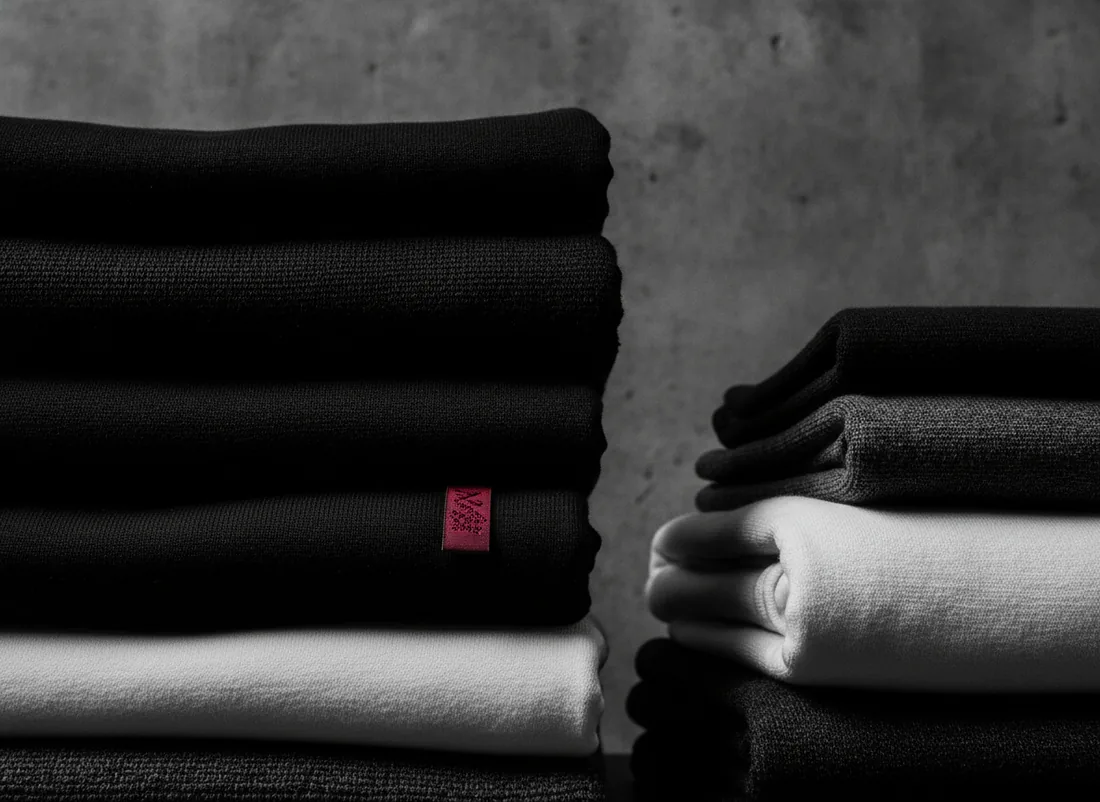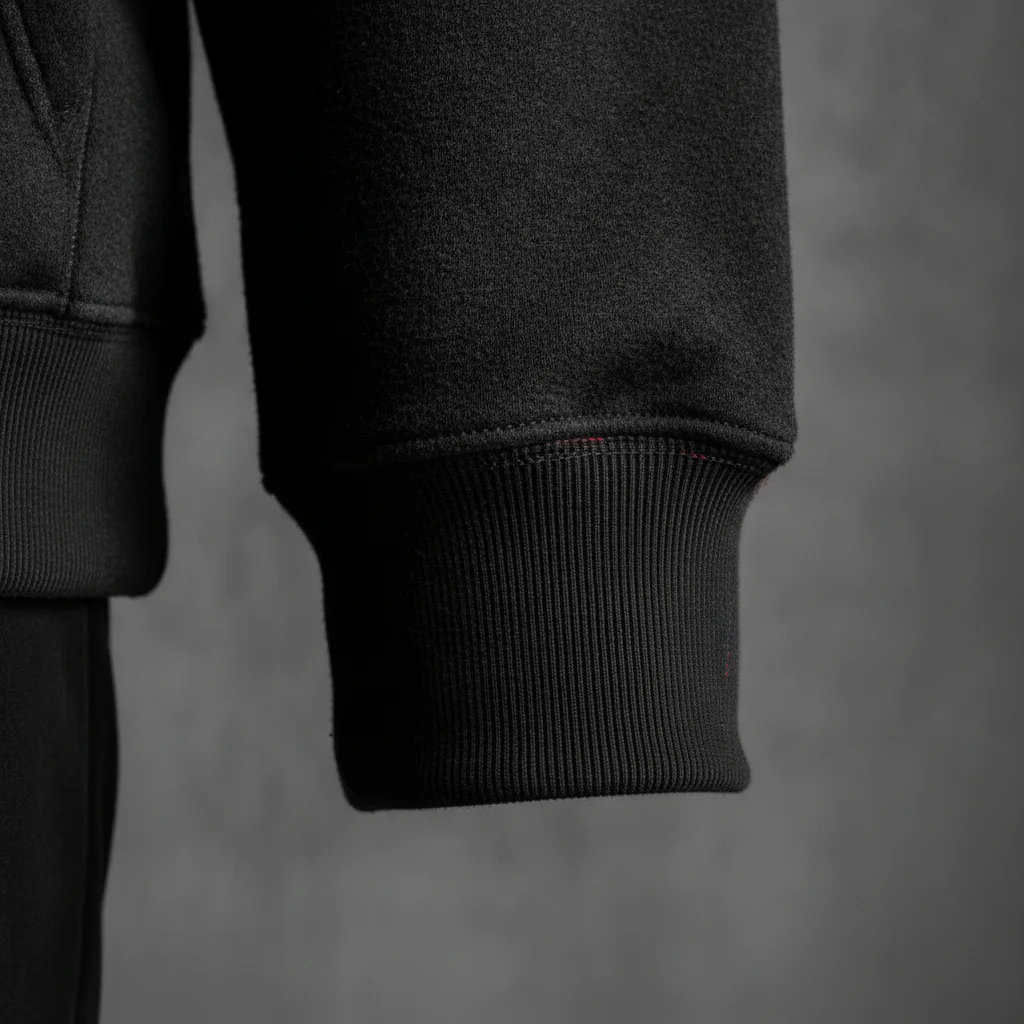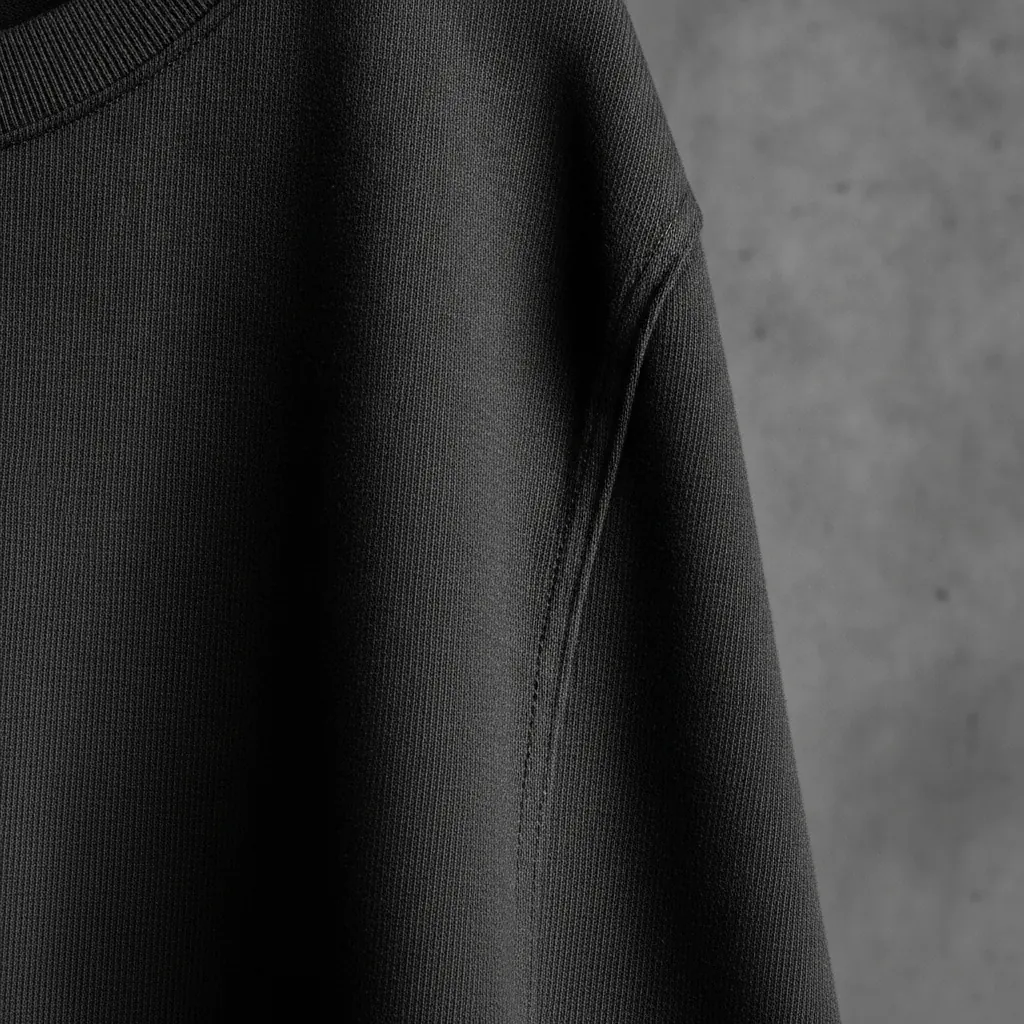
Minku Apparel manufactures with premium heavyweight fabrics, from 240 to 400-plus GSM cotton and cotton blends to brushed French terry, loopback terry, and fleece. The fabric and its GSM are the foundation of every garment we make, deciding how a piece drapes, how it wears over time, and how decoration sits on the surface.
Choosing the right material is the first real decision in custom streetwear manufacturing, so this guide breaks down the fabrics we work with, the weights that suit each garment, and which decoration methods pair best with each. Get the fabric right and the rest of the garment follows.
Understanding GSM
GSM stands for grams per square metre, the industry measure of fabric weight. A higher GSM means a denser, heavier, more structured fabric. A basic promotional tee might sit near 150 GSM, while a premium streetwear tee lands between 220 and 260 GSM for that substantial hand-feel. Hoodies climb to 400 GSM and beyond for the weighty, structured drape brands associate with elevated labels. We manufacture across the full range so you can dial in exactly the weight your concept calls for.
Cotton and Cotton Blends
Cotton is the backbone of streetwear. We work with combed and ring-spun cotton for a smooth, strong surface that takes print and dye cleanly, and organic cotton for brands that need a certified sustainable fibre. For added durability and reduced shrinkage, cotton-poly blends and cotton-elastane blends bring stretch and shape retention where a garment needs it.
- Combed ring-spun cotton – soft, dense surface for premium tees and crewnecks.
- Organic cotton – certified fibre for sustainability-led labels.
- Cotton-poly blend – added durability, reduced shrink, ideal for frequent wear.
- Slub cotton – textured, vintage-leaning surface for character-driven tees.
French Terry and Loopback
French terry is the go-to knit for elevated sweatshirts, crewnecks, and lighter hoodies. It has smooth loops on the inside and a clean face outside, giving a mid-weight structure that holds shape without heavy brushing. Loopback terry pushes that texture further for a raw, unbrushed interior that reads premium and breathes well in warmer climates. Both sit comfortably in the 280 to 360 GSM range.
Fleece
Brushed fleece is what gives a heavyweight hoodie its plush, warm interior. The inside is brushed to raise a soft nap while the outside stays clean and structured. For the boxy, heavy hoodies that define current streetwear, we run fleece from 350 to 400-plus GSM. It is the fabric behind our custom hoodie and sweatsuit production.
Specialty and Technical Fabrics
Beyond core knits, we source technical and specialty materials for outerwear and performance pieces: nylon and taslan for tracksuits and jackets, ripstop and twill for cargo shorts and work jackets, mesh for sports shorts and linings, and velour for retro tracksuits. If your design needs a specific material, send a reference and we will source to match.
Fabric and Decoration Compatibility
Not every decoration method suits every fabric, so we match the two at the quoting stage. This table shows the common pairings we recommend.
| Fabric | Best decoration | Typical garment |
|---|---|---|
| Ring-spun cotton | Screen print, DTG, embroidery | Tees, crewnecks |
| French terry | Puff print, embroidery, screen print | Sweatshirts, light hoodies |
| Brushed fleece | Embroidery, puff print, screen print | Heavyweight hoodies, sweatsuits |
| Nylon / taslan | Embroidery, heat transfer, appliqué | Tracksuits, jackets |
| Cotton (garment-dyed) | Acid wash, tie-dye, all-over print | Vintage tees, hoodies |
Wash and Dye Treatments
Fabric character can be transformed after knitting. Garment dye gives rich, lived-in colour and a soft finish. Acid wash creates the mottled, faded surface central to vintage streetwear. Tie-dye and mineral wash add one-of-one texture. Because we run these treatments in-house, we control the outcome and keep it consistent across a bulk run rather than leaving it to chance.
Choosing the Right Fabric for Your Brand
The right fabric depends on your price point, your climate, and the feel you want your customer to associate with your label. Heavier is not always better; a breathable 240 GSM tee can be the right call for a summer drop, while a 400 GSM hoodie anchors a winter collection. Our team advises on weight and fibre for your specific design, then confirms it on a physical sample. Start with a custom quote or review MOQ and pricing to see how fabric choice affects cost.
How We Source Our Fabrics
Consistency in a finished garment begins with disciplined sourcing. We work with established knitting mills and fabric suppliers, and we verify weight and colour on every incoming batch before it reaches the cutting table. This lets us hold a 300 GSM crewneck at 300 GSM across an entire order and across future reorders, rather than drifting lighter to save on material. When a brand needs certified organic cotton or a specific blend, we source it through documented supply chains so the sustainability claim stands up.
Shrinkage, Pilling, and Durability
A premium garment has to survive the customer’s laundry. We pre-shrink and finish fabrics to control shrinkage within standard tolerance, so a tee that fits at purchase still fits after washing. Fibre choice and knit quality reduce pilling, and combed cotton gives a smoother, stronger surface that resists wear. During sampling you can wash-test your garment to confirm how it holds, which is one more reason to approve a physical sample before bulk.
Colour Matching and Dyeing
Colour is where brand identity lives, so we manage it closely. We match to Pantone references or a supplied swatch, and because dyeing and wash treatments run in-house, we control the outcome across the run rather than leaving it to a third party. Garment dye delivers rich, soft-handed colour, while reactive dyeing on yarn or fabric holds vivid, wash-fast shades. We confirm the final colour on your sample so there are no surprises at bulk.
Trims, Ribbing, and Hardware
The details finish the garment. Ribbing at cuffs, hems, and collars is matched in weight and stretch to the body fabric so it wears in without going slack. Drawcords, tips, zippers, eyelets, and toggles are chosen for durability and feel, and can be branded for a fully custom piece. Woven neck labels, printed care tags, and hang tags complete the private-label finish. These trims are part of every quote, and you can see how they come together across our hoodie and jacket production.
Matching a Reference Garment
Many brands arrive with a favourite blank or a competitor piece they want to beat. Send it to us and we weigh the fabric, assess the knit and finish, and match or improve on it in your specification. This benchmark-and-better approach is one of the most reliable ways to land the exact hand-feel your brand needs. Start by sending yours through our quote form or request a sample to compare directly.
Caring for Your Finished Garments
How a garment is cared for affects how it ages, so we finish every piece with accurate care labelling for its fabric and any wash treatment. Heavyweight cotton and fleece hold up best with a cold wash and low-heat dry, which protects both the fabric weight and any print or embroidery. Garment-dyed and acid-wash pieces are designed to soften and personalise with wear, which is part of their appeal. We advise on care specifics for your fabric during sampling, so your customers get the longevity the material is capable of.
Fabric Weight Guide by Garment
As a quick reference, here is where the common weights land across our core products, all of which you can explore and order:
- Summer tees – 180 to 220 GSM cotton for breathable, lighter t-shirts.
- Premium tees – 220 to 260 GSM for a substantial, elevated hand-feel.
- Sweatshirts – 280 to 360 GSM French terry for structured crewnecks.
- Heavyweight hoodies – 350 to 400-plus GSM brushed fleece.
Testing Before Production
Every fabric choice is proven on a physical sample before a full run is cut. During sampling you can wash-test the garment, check how the fabric softens, and confirm the weight feels right in the hand. This step removes guesswork from the material decision and is one more reason we insist on sampling before bulk. When you are confident in the fabric, we hold it to spec across the entire order.
Fabrics & Materials We Manufacture With — In Detail