Minku Apparel is a custom streetwear manufacturer for Berlin brands, producing private-label garments from 50 pieces per design and shipping DDP door-to-door to Germany in roughly 6 to 9 days by air. We cut and sew heavyweight cotton, French terry and fleece at our certified factory in Pakistan, decorate in-house, and sample every design before bulk so your Berlin label launches on spec, not on hope.
Berlin runs on a harder, colder, more underground version of streetwear than almost any other European city, and the garments have to carry that weight literally. This page covers how we manufacture for Berlin labels: the fabrics that suit the climate and the aesthetic, the decoration we run under one roof, MOQ and pricing in a euro context, and exactly how DDP shipping into Germany clears customs without landing surprise charges on your door.
A streetwear manufacturer built for Berlin brands
Berlin’s scene does not chase logos for the sake of logos. It rewards construction, blackout palettes, oversized silhouettes and garments that read as considered rather than loud. Labels coming out of Kreuzberg, Neukolln and Friedrichshain tend to sell a point of view first and a product second, which means the physical make of the garment has to back the concept. A thin, papery hoodie kills a Berlin drop faster than a weak graphic.
That is the exact gap we close. We manufacture to a tech pack, hold a consistent GSM across reorders, and treat your labels, tags and packaging as core to the build rather than an afterthought. As a custom streetwear manufacturer, we work the way independent European labels actually operate: small first runs to test a concept, then scaled reorders once a silhouette proves itself with your audience.
Because we already ship across the wider German market, Berlin brands get a partner who understands EU import rules, euro pricing and the documentation German customs expects. You send artwork and measurements; we return samples, then bulk, delivered to your studio.
Why Berlin brands manufacture overseas
Domestic cut-and-sew capacity inside Germany is limited, heavily booked, and priced for large heritage houses rather than emerging labels testing a 50 to 300 piece drop. Most Berlin founders who try to source locally hit long lead times and minimums that lock up capital before a single garment sells. An overseas factory removes that ceiling.
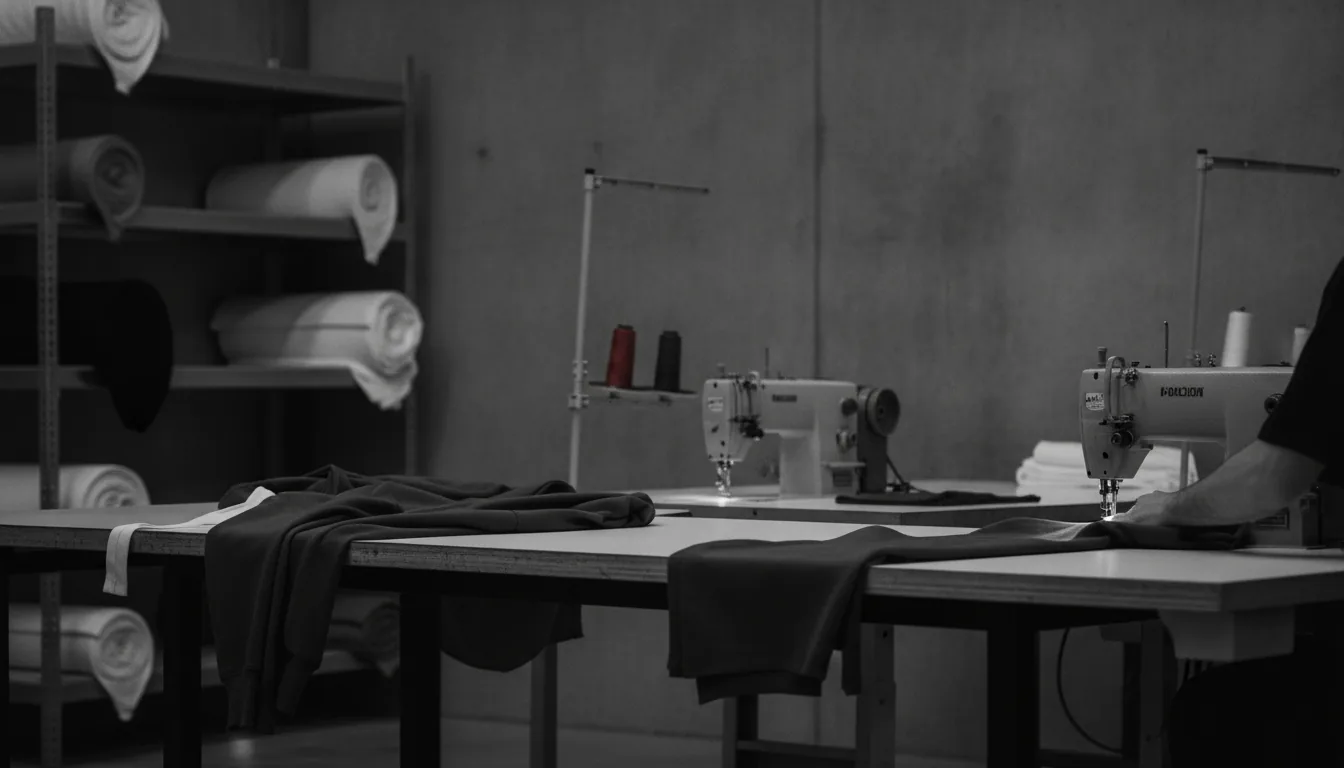
Manufacturing with Minku gives a Berlin label access to full-package production: fabric sourcing, cutting, sewing, in-house decoration, private-label finishing and export, all handled by one team. You are not stitching together a fabric supplier, a print shop and a finisher across three time zones. That consolidation is what lets a two-person brand behave like an established operation.
The trade founders care about is control versus reach. Working with us, you keep creative control through the tech pack and the pre-production sample, and you gain reach through low minimums and DDP delivery. It is the model that has moved streetwear production toward specialist overseas factories for a decade, now aimed squarely at the German market.
Fabric weights that suit the Berlin climate
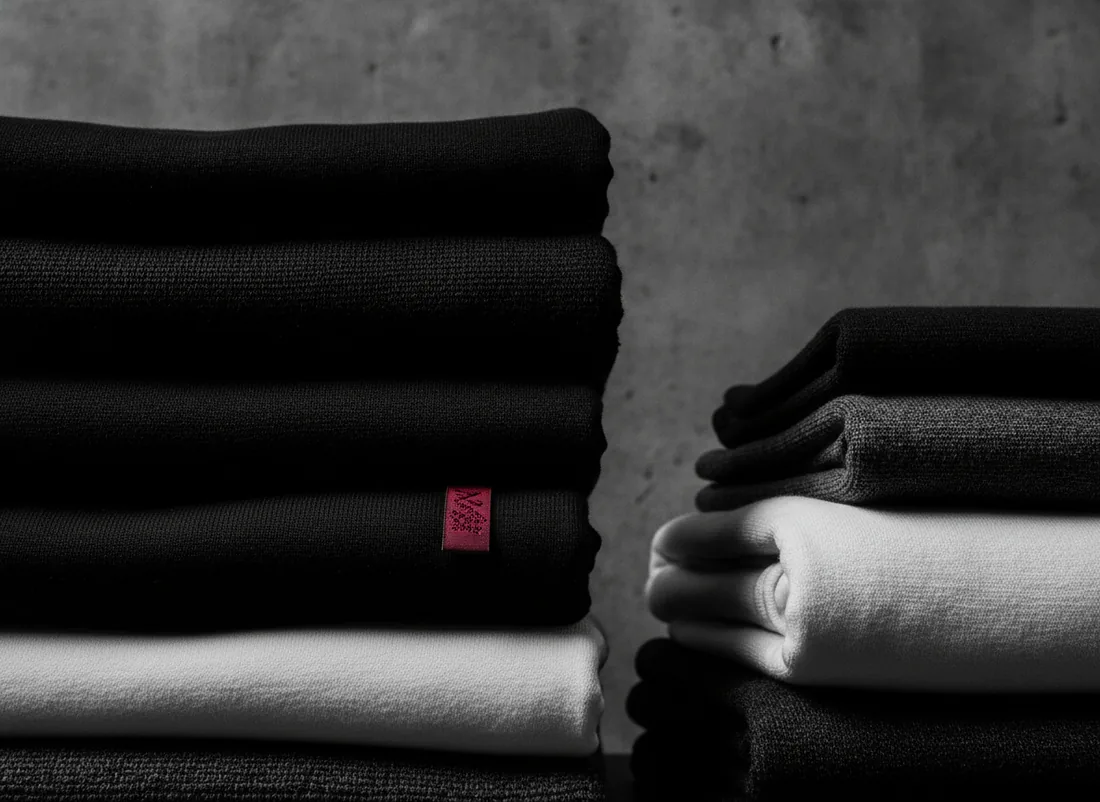
Berlin winters are long, grey and genuinely cold, and that shapes what sells. Heavyweight fleece and brushed-back French terry move in volume from October through March, which is why our core hoodie and sweatshirt fabrics sit in the 320 to 400+ GSM range. That weight gives the structured, boxy drape Berlin buyers expect and the warmth the weather demands.
For the warmer months and layering pieces we run 180 to 240 GSM cotton jersey for tees, plus mid-weight terry for transitional crewnecks. We also offer garment-dye and acid-wash finishes that read as worn-in and archival, an aesthetic that fits Berlin’s secondhand-and-upcycle sensibility better than a flat, brand-new look.
Fabric is where a lot of the perceived quality lives, so we sample it before you commit. If you want to compare hand-feel and weight across options, our fabric library lays out the cotton, terry and fleece bases we build on, and every one can be color-matched to your brand.
DDP shipping to Germany, duties handled
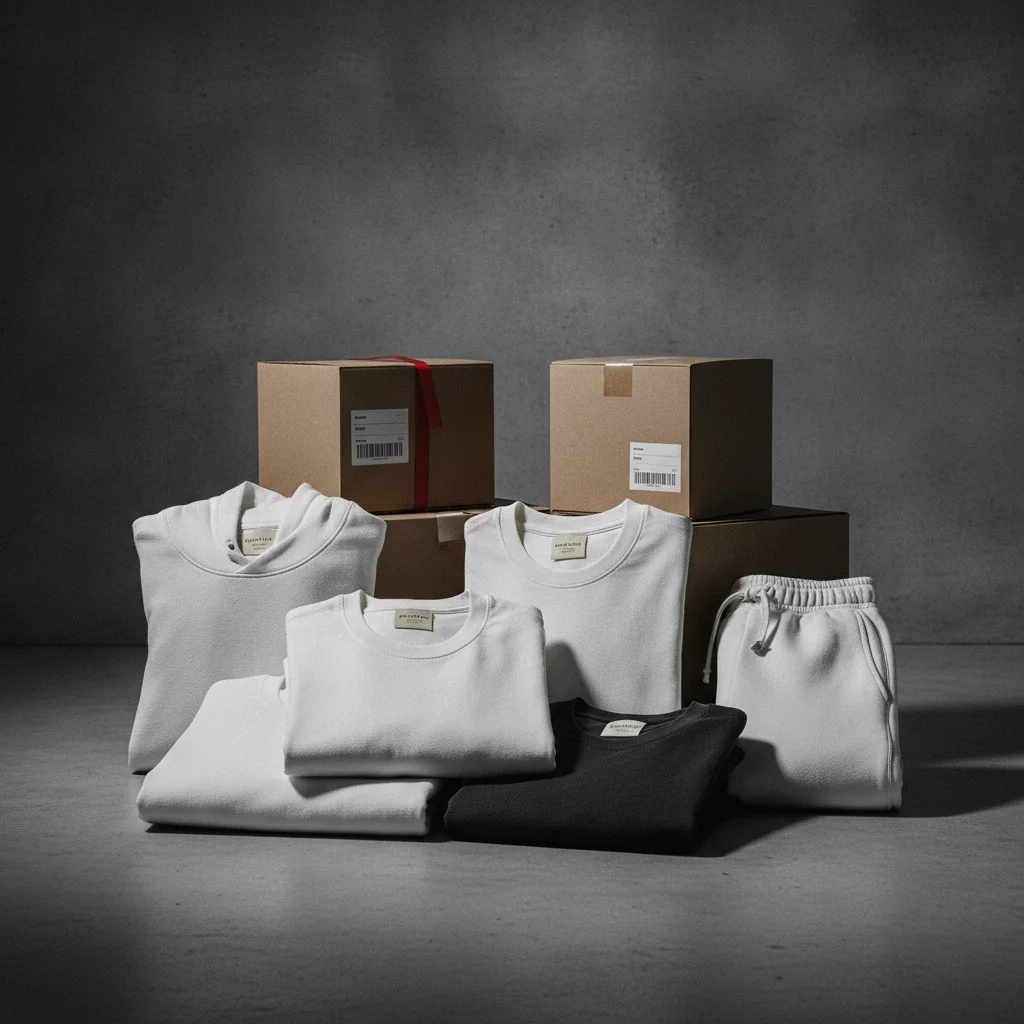
All Minku orders ship DDP, meaning Delivered Duty Paid. We handle export, freight, EU import clearance and the duty and VAT owed on the shipment, then deliver to your Berlin address. No customs broker to appoint, no clearance email demanding payment before release, no garments stuck at Frankfurt or Leipzig freight.
Air freight to Germany runs roughly 6 to 9 days from dispatch, which suits sampling rounds and time-sensitive drops. Sea freight is available for large reorders where cost per unit matters more than speed. Either way, the landed price we quote is the price you pay, in euros, with EU duties already inside the number.
| Shipping detail | Berlin / Germany |
|---|---|
| Incoterm | DDP (Delivered Duty Paid) |
| Air transit | ~6-9 days from dispatch |
| Sea transit | ~25-35 days (bulk reorders) |
| Customs and VAT | Cleared and paid by Minku |
| Currency quoted | EUR, landed |
| Delivery point | Your Berlin studio or 3PL |
If DDP is new to you, our explainer on what DDP shipping means breaks down which costs sit with us versus you, so there are no gaps in the handoff.
MOQ and pricing in a euro context
Our minimum is around 50 pieces per design and colorway, which is set to let a new Berlin label test a concept without over-committing capital. Per-unit pricing steps down as quantities rise, so a 300-piece reorder lands at a stronger margin than a first 50-piece sample run, and pricing is always quoted in euros with duty included.
Price tracks four things: fabric weight, garment complexity, decoration method and quantity. A heavyweight embroidered hoodie sits above a screen-printed jersey tee, which is expected. We lead with construction quality and consistency rather than a race to the bottom, because a garment that survives Berlin winters and repeat washes protects your brand’s reputation.
For a full breakdown of tiers and how minimums work across products, see our MOQ and pricing guide, or send your specs and quantities to get a custom quote costed for the German market.
In-house decoration for a Berlin aesthetic
Every finish that defines Berlin streetwear runs inside our own factory: screen print for crisp graphic work, DTG for photographic and full-color art, puff and flat embroidery for logos and text, plus acid wash, garment dye, tie-dye and all-over print. Keeping decoration in-house means tighter quality control and no third-party handoff that can distort your artwork.
Berlin labels lean heavily on tonal, monochrome and distressed treatments, and those are our strongest areas. Puff embroidery on heavyweight fleece, blacked-out screen prints and washed finishes all reproduce cleanly at our minimums. We proof decoration on the pre-production sample so what you approve is what ships in bulk.
Methods also combine on a single garment when the design calls for it. A hoodie can carry embroidered chest branding, a screen-printed back panel and a woven private-label neck tag in one production run, without splitting the job across vendors. For the EU market that matters, because keeping decoration and finishing in-house keeps the supply chain documented and traceable, which supports the product-safety and labelling expectations German retailers now ask their suppliers to meet.
Product range for Berlin labels
We manufacture the full streetwear wardrobe a Berlin brand needs to build a coherent collection rather than a single hero piece. Hoodies and heavyweight sweatshirts anchor the winter range, tees carry the graphic identity year-round, and outerwear and bottoms round out a complete drop.
- Custom hoodies in Berlin – heavyweight fleece, oversized and boxy fits
- Custom t-shirts in Berlin – jersey, boxy and drop-shoulder cuts
- Custom sweatshirts in Berlin – crewnecks in brushed terry
- Custom jackets in Berlin – coach, bomber and workwear styles
Building a broader European footprint? Berlin brands often produce alongside labels in Munich, and the same DDP terms and euro pricing apply across Germany.
How production works, start to finish
The path from idea to delivered bulk is deliberate and documented. You share references, artwork and measurements. We build or refine the tech pack, source fabric, and produce a pre-production sample. You approve fit, fabric and decoration on that sample, and only then do we cut bulk. Nothing scales until you have signed off on a physical garment in hand.
This sample-first process is what protects a Berlin drop from the classic overseas-manufacturing horror stories: wrong weight, off color, decoration that shifted. By locking every variable on the sample, we make bulk predictable. When you are ready to begin, get a quote and we will map your first run.
Streetwear Manufacturer in Berlin – Custom Apparel for Berlin Brands | Minku Apparel — In Detail