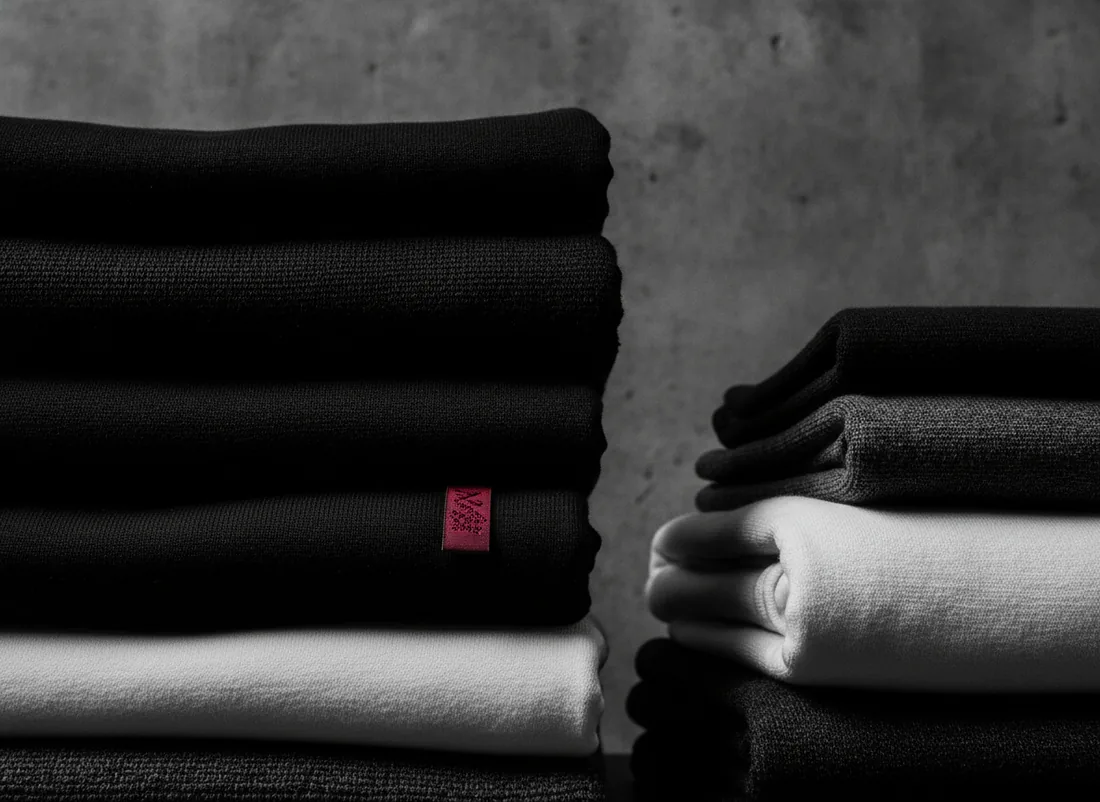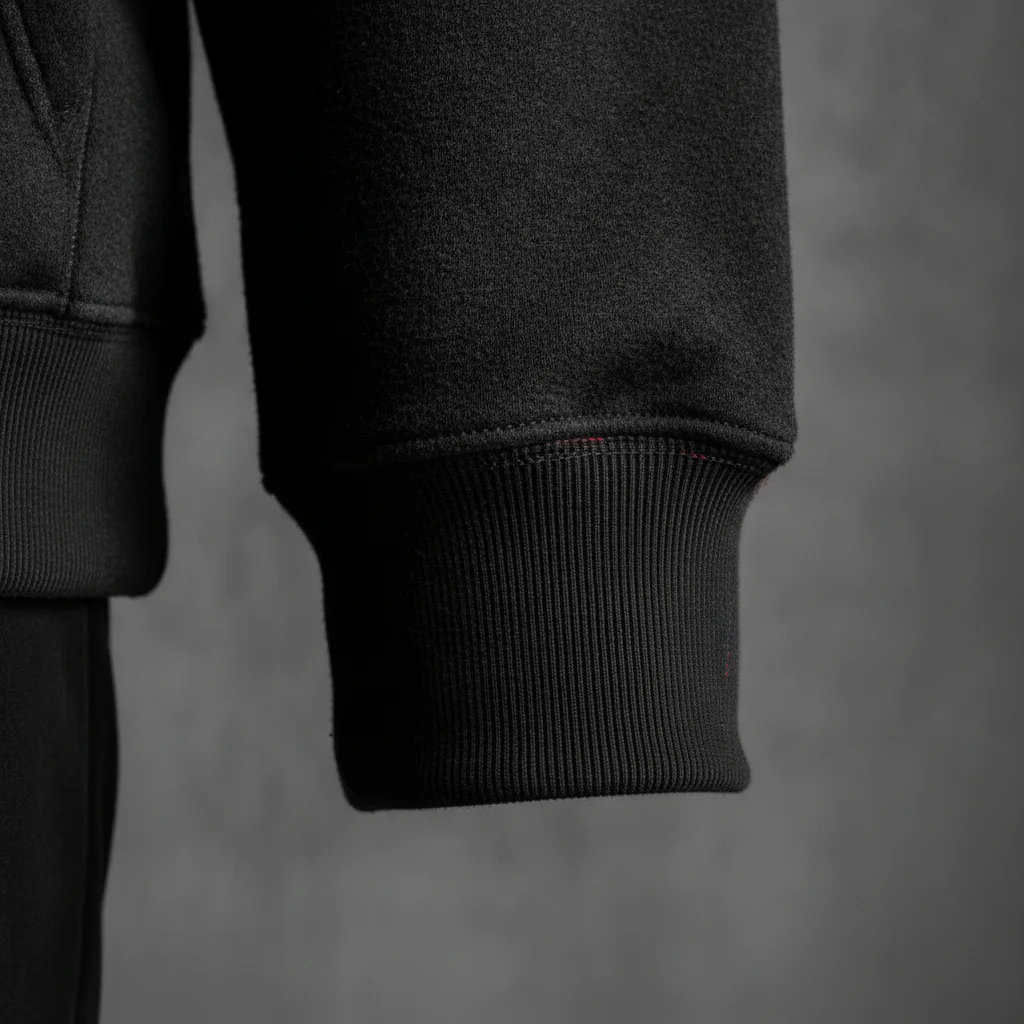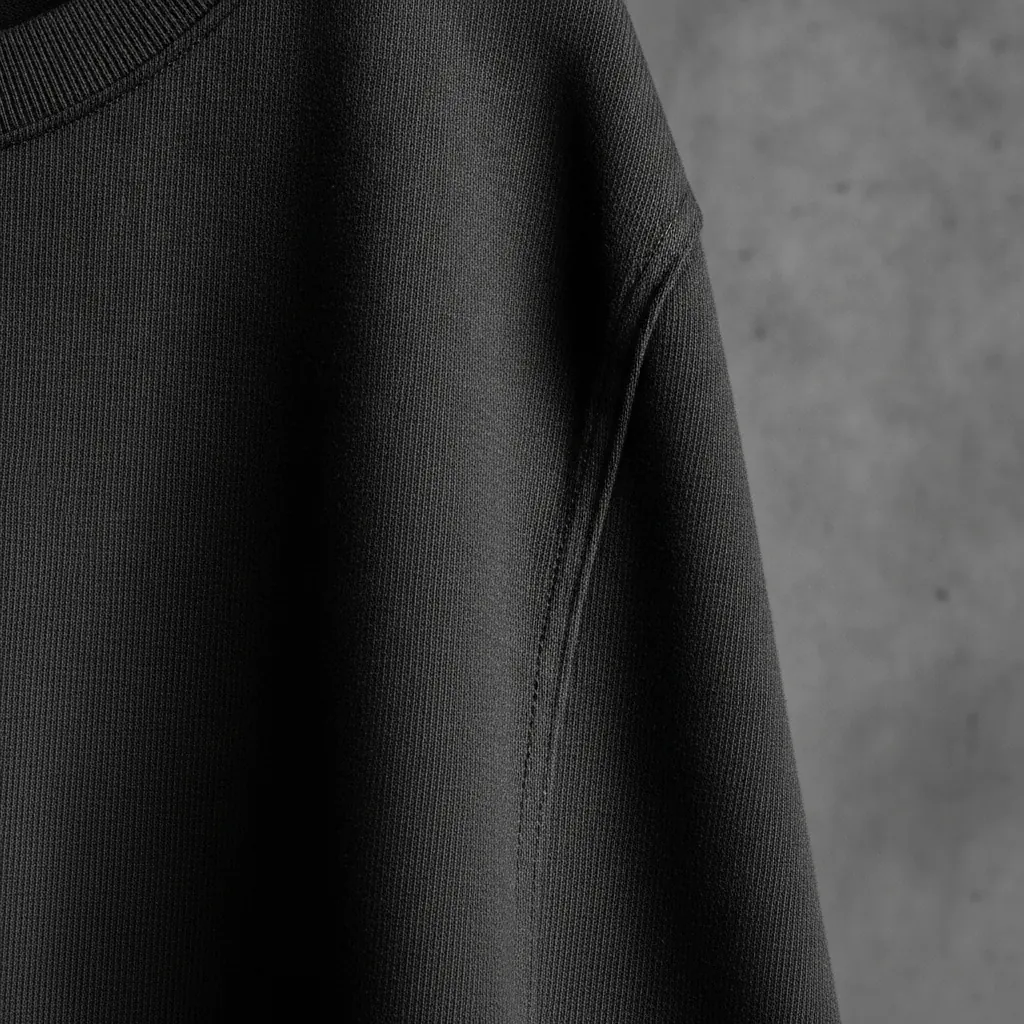
Combed cotton removes short, weak fibers through an extra combing process, producing a smoother, stronger, more consistent yarn than carded cotton, which skips that step and retains a fuller range of fiber lengths. The difference shows up directly in a t-shirt’s hand-feel, print clarity, pilling resistance, and price.
Fabric spec sheets throw this term around constantly, and it’s one of the few t-shirt fabric decisions with a genuinely measurable impact on the finished garment. This page explains what combing actually does to raw cotton, how it changes yarn and fabric performance, when each type makes sense for a streetwear brand, and how Minku sources both.
What Combing Actually Does to Raw Cotton
Raw cotton fiber arrives at a spinning mill in a mix of lengths – some fibers long and strong, others short and prone to breaking. Carding is the base process that aligns these fibers into a rough sliver ready for spinning, but it leaves short fibers mixed in with long ones. Combing adds an additional step after carding: a fine-toothed comb mechanically removes 10-20% of the shortest fibers and further aligns the remaining long fibers in parallel. The result is a yarn spun almost entirely from long-staple fiber, which is inherently stronger and smoother than one containing a mix of lengths.
How the Difference Shows Up in the Finished Fabric
Hand-Feel
Combed cotton fabric feels noticeably smoother and softer against the skin because the short, coarse fiber ends that create surface roughness have been removed. Carded cotton retains more of those short fibers, giving it a slightly rougher, more textured hand-feel – not unpleasant, but detectably less refined.
Pilling Resistance
Pilling happens when short, loose fibers work their way to the fabric surface and tangle into small balls under friction. Because combing removes most of the short fibers responsible for this, combed cotton t-shirts pill less over repeated washing and wear than carded cotton equivalents at the same GSM.
Print Clarity
A smoother, more even fabric surface holds screen print and DTG ink more cleanly, with less ink bleed into surface texture. Combed cotton generally produces sharper print detail, especially for fine linework or small text, than carded cotton, which can show slightly softer print edges due to surface texture.
Strength and Durability
Long-staple, combed yarn is measurably stronger per thread than carded yarn spun from a mixed-length fiber batch, translating to better tear resistance and a longer garment lifespan under repeated washing.
Cost and Processing Comparison
| Factor | Combed Cotton | Carded Cotton |
|---|---|---|
| Processing steps | Carding + combing | Carding only |
| Fiber consistency | Long-staple, uniform | Mixed lengths |
| Hand-feel | Smoother, softer | Slightly rougher texture |
| Pilling resistance | Higher | Lower |
| Print clarity | Sharper detail | Softer edges |
| Relative fabric cost | Higher | Lower |
The extra combing step adds machine time and discards a portion of raw fiber as waste, both of which raise the mill’s cost – which is why combed cotton fabric consistently costs more per yard than carded cotton at the same weight.
When Carded Cotton Still Makes Sense
Carded cotton isn’t a lesser fabric across the board – it has legitimate use cases. Heavyweight fleece and French terry for hoodies and sweatsuits often use carded cotton in the fabric blend, since the brushed or looped surface finish on those fabrics already changes the hand-feel enough that the smoothness advantage of combing matters less. Carded cotton is also the sensible choice for a brand prioritizing a lower entry cost on a first test run, or for heavier weight garments where a slightly coarser hand-feel isn’t the customer’s main quality signal.
When Combed Cotton Is Worth the Premium
Combed cotton earns its cost premium specifically on garments where hand-feel and print clarity are the customer’s first physical touchpoint with the brand – lightweight and mid-weight t-shirts, especially those carrying detailed graphic or type-based prints. A brand positioning itself on fabric quality, or selling at a premium retail price point, generally should not compromise on this spec, since the difference is detectable the moment a customer picks up the garment.
Ring-Spun vs Open-End: A Related Distinction
Combing is often discussed alongside spinning method, which is a separate variable. Ring-spun yarn twists fiber tightly during spinning for a stronger, finer yarn regardless of whether it’s combed or carded first; open-end spinning is a faster, less expensive method that produces a coarser yarn. The strongest, softest combination available is combed, ring-spun cotton – the specification most premium streetwear t-shirt brands request, and the one Minku defaults to for its heavyweight t-shirt line.
How to Specify This in a Tech Pack
A tech pack should state fiber content, GSM, and whether the yarn is combed or carded, plus spinning method if known (ring-spun or open-end). If a brand doesn’t have a preference specified, Minku defaults new t-shirt tech packs to combed, ring-spun cotton at 200-240 GSM, since that combination performs reliably across print, embroidery, and general wear without requiring a special request.
A Real Comparison Run
Minku ran a side-by-side production test for a brand deciding between the two: identical 220 GSM t-shirts, one in combed ring-spun cotton, one in carded open-end cotton, both carrying the same DTG print. After 20 home wash cycles, the carded sample showed visible surface pilling at the underarm and lower back, while the combed sample showed minimal pilling and retained sharper print edges. The brand moved its full production run to combed cotton for its next 150-piece order based on that test.
How Minku Sources Both
Minku stocks both combed and carded cotton options across its t-shirt range from 160 to 240+ GSM, and a brand can specify either at the tech pack stage without changing the 50-piece MOQ. A pre-production sample lets a brand physically compare the hand-feel before committing to bulk production.
Does Combing Apply to Organic Cotton Too?
Combing is a mechanical processing step independent of how the cotton was grown, so organic cotton can be either combed or carded exactly like conventional cotton. The choice between combed and carded organic cotton follows the same hand-feel, pilling, and print-clarity logic covered above – organic status affects how the fiber was farmed, not how it’s spun into yarn. A brand specifying organic cotton in a tech pack should still separately specify combed or carded, since leaving it unspecified means the mill defaults to whichever is standard for that particular organic cotton lot.
How Combing Affects Dyeing and Colorfastness
A more uniform, combed yarn absorbs dye more evenly across the fabric surface than a carded yarn, which can show subtle striping or unevenness in darker or more saturated colors due to the mixed fiber lengths taking up dye at slightly different rates. This matters most on solid, garment-dyed pieces where color consistency across a 50-piece run is a visible quality marker – a brand ordering a deep black or navy garment-dyed t-shirt benefits from combed cotton’s more even dye uptake, while a heather or marled colorway, which intentionally shows some fiber variation, is more forgiving of carded cotton’s texture.
Cotton-Poly Blends and Combing
Combing applies specifically to the cotton portion of a blended yarn – a 60/40 cotton-poly blend can use combed cotton fiber spun together with polyester filament, carrying forward the smoothness benefit into a blended fabric. Poly-heavy blends (50% or higher polyester) reduce how much the combed-vs-carded distinction is felt in the finished hand-feel, since the synthetic fiber content increasingly dominates the fabric’s texture and performance as its share rises. Minku’s blended fabric options typically use combed cotton in the cotton portion by default, since the cost difference at blend ratios is smaller than in 100% cotton fabric.
Testing Fabric Hand-Feel Before Bulk Production
Because combed and carded cotton feel different immediately on touch, the pre-production sample stage is where this decision gets confirmed rather than argued about after the fact. Minku can produce a small swatch or full sample garment in either combed or carded cotton on request, letting a brand physically compare hand-feel, weight, and drape before committing to the 50-piece minimum. This matters more for combed-vs-carded than almost any other fabric decision, since the difference is felt rather than seen in a photo or spec sheet.
Does Fiber Prep Affect DTG vs Screen Print Choice?
DTG printing, which sprays water-based ink directly into the fabric surface, benefits even more than screen print from combed cotton’s smoother surface, since DTG ink has less surface texture to grip onto than screen print’s thicker ink deposit. A carded cotton garment printed with DTG can show a slightly softer, more absorbed print edge compared to the same design printed on combed cotton. This is one reason Minku recommends combed cotton by default for DTG-heavy designs with fine detail or small text, while carded cotton remains workable for bold, low-detail screen print graphics.
How to Decide Between the Two for Your Next Order
A brand weighing combed against carded cotton for an upcoming production run should start with the garment’s fabric weight and finish rather than the fiber question alone. For lightweight and mid-weight t-shirts (160-240 GSM) carrying a detailed print or a premium retail position, combed ring-spun cotton is the safer default. For heavyweight fleece, brushed-back sweatshirt fabric, or a first test run where fabric cost needs to stay predictable, carded cotton remains a sound working choice. Minku’s team reviews this alongside GSM, decoration method, and target retail price at the quoting stage, so the fabric spec matches both the garment and the brand’s positioning before a tech pack is finalized.
Deciding on a fabric spec for your next t-shirt drop? Get Your Custom Quote and Minku will confirm combed vs carded, GSM, and spinning method before sampling. See the full line on the custom t-shirt manufacturer page, explore the custom organic cotton t-shirt manufacturer option, or read what GSM is best for t-shirts for weight guidance.
Combed vs Carded Cotton: What’s the Difference? — In Detail