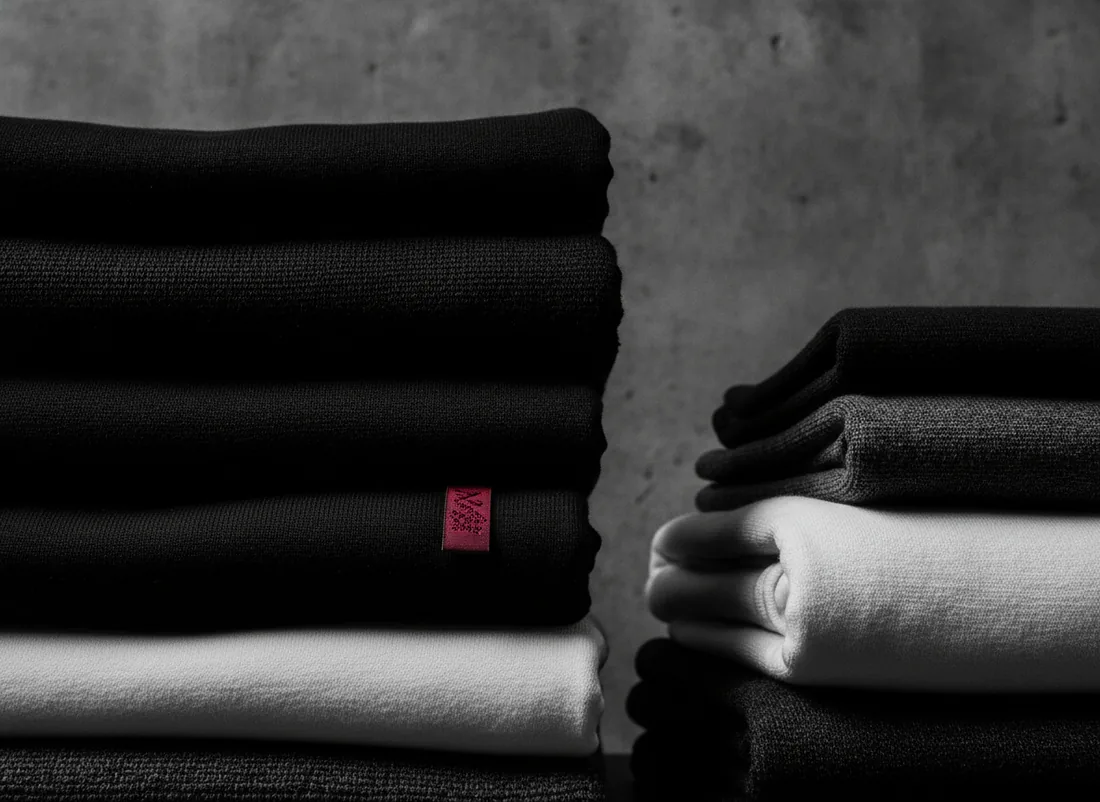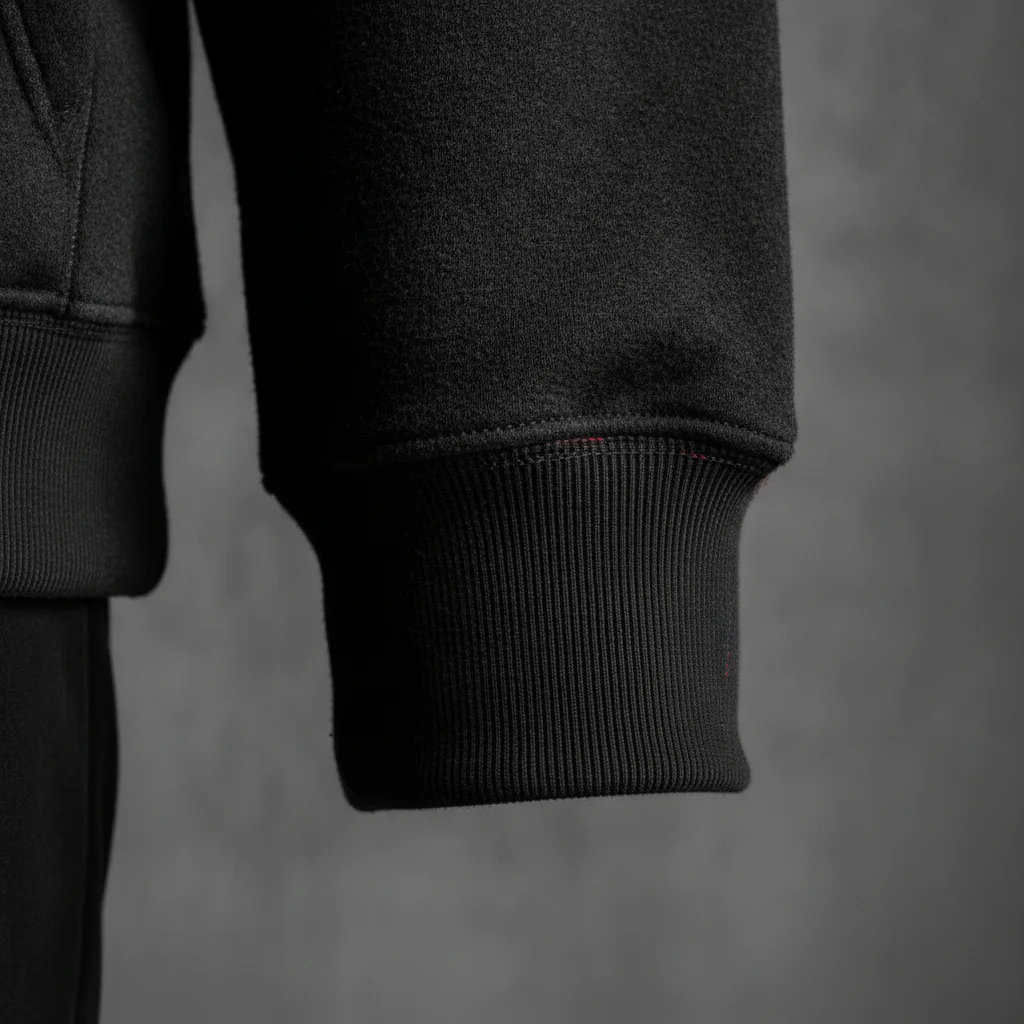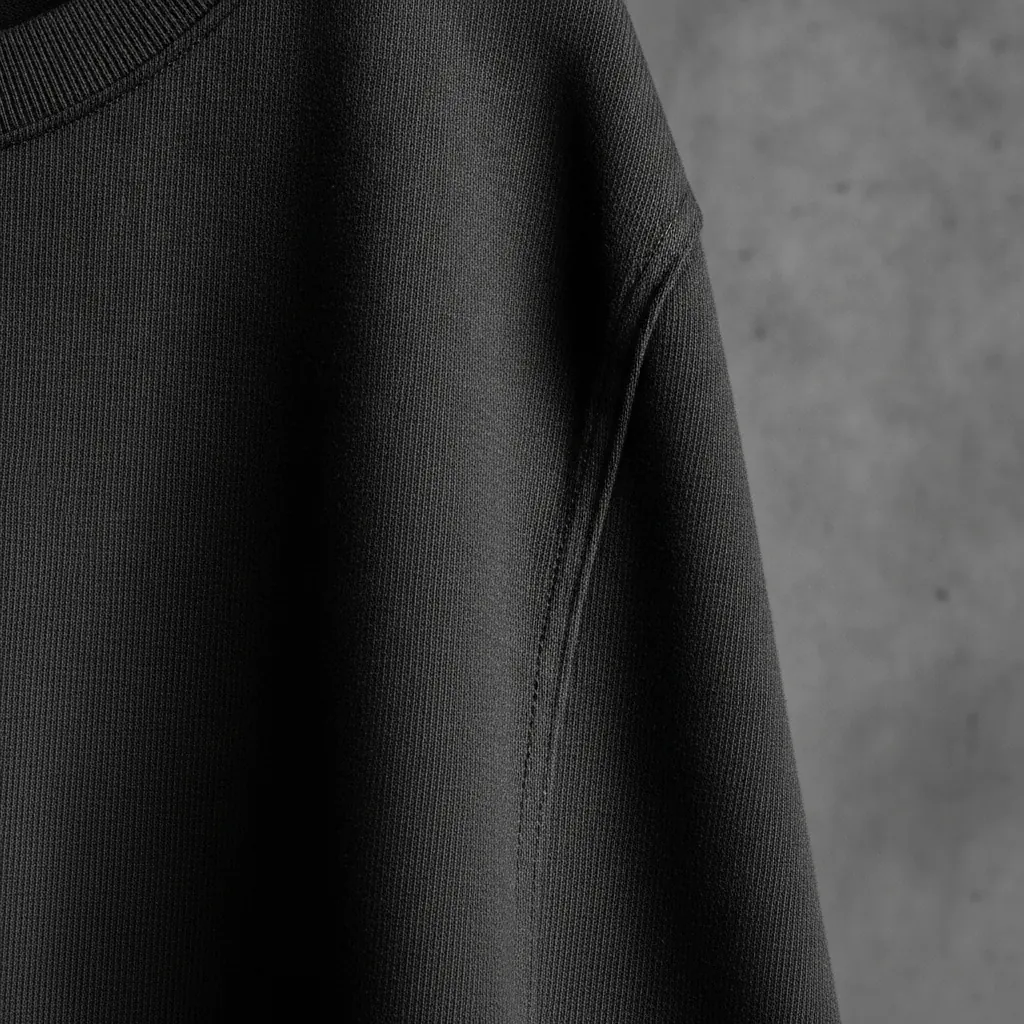
Fleece fabric is a brushed cotton (or cotton-blend) knit with a soft, napped inner surface, made by looping yarn then mechanically brushing it to raise fibers for warmth and softness. It is the standard fabric for custom hoodies and sweatshirts, typically 240 to 400+ GSM, chosen whenever a brand needs warmth, structure, and a premium hand-feel.
Fleece is one of the most widely used fabrics in streetwear, but brands sourcing their first hoodie run often use the word without knowing exactly what separates real fleece from French terry, or how fleece weight and construction change what a finished garment feels like. Here is a full breakdown, from how it is made to when it is the right call for your design.
How Fleece Fabric Is Made
Fleece starts as a knit fabric, usually cotton or a cotton-polyester blend, constructed on a circular knitting machine. After knitting, the inner face goes through a brushing process that pulls individual fibers up from the loop structure, creating the soft, fuzzy inner surface fleece is known for. The outer face stays smooth, which is why a fleece hoodie feels different on the inside than the outside, and why a hand check of both faces during sampling matters more than reading a spec sheet alone.
The brushing step is what separates fleece from a plain knit: it traps air within the raised fibers, which is what gives fleece its warmth relative to its weight. Heavier fleece has more fiber to brush and hold, which is part of why GSM and warmth track closely together in this fabric family.
Fleece vs French Terry: What Is the Difference
Fleece has a brushed, napped inner face. French terry has an unbrushed inner face with visible small loops, giving it a lighter, more breathable feel with less warmth than fleece at the same GSM. Both are knit constructions and both are common in hoodies and sweatshirts, but they suit different climates and design intentions.
Brands building a heavyweight winter flagship generally choose fleece for the added warmth. Brands building a lighter, year-round or warm-climate piece often prefer French terry, since it delivers a substantial hand-feel without the added heat retention. See our French terry guide for a full comparison.
GSM and What It Changes in Fleece
Fleece is produced across a wide GSM range, and weight changes almost all of what the finished garment feels like. At 240 to 280 GSM, fleece feels light and flexible, suited to layering pieces and warmer markets. At 320 to 400+ GSM, fleece has real structure, holds an oversized or boxy silhouette away from the body, and resists pilling far longer under repeated wash cycles.
Heavier fleece also gives screen print and embroidery a more stable surface, since there is more fabric mass to hold ink or thread without puckering. Full detail on matching weight to your design sits on our best GSM for hoodies page.
Types of Fleece Construction
| Construction | Feel | Common use |
|---|---|---|
| Standard brushed fleece | Soft, napped inner, moderate stretch | Core hoodies and sweatshirts |
| Loopback fleece (unbrushed) | Visible loop texture, similar to French terry | Lighter sweatshirts, casual pieces |
| Scuba / bonded fleece | Denser, less stretch, more structured | Jackets, structured outerwear pieces |
| Organic cotton fleece | Same brushed hand-feel, grown without synthetic pesticides | Sustainability-focused streetwear lines |
When Fleece Is the Right Choice
Fleece is the right fabric whenever warmth and a structured drape matter more than breathability – hoodies, crewneck sweatshirts, and matching sweatsuits built for cooler climates or positioned as flagship, higher-price pieces. It is also the right choice when your decoration plan includes bold screen prints or embroidery that benefit from a stable, substantial base.
It is a less ideal choice for warm-climate daily wear where a lighter, more breathable knit like jersey or French terry would suit the customer’s actual conditions better. Matching fabric to climate and use case, not only to what feels premium in isolation, is what separates a well-planned collection from one built on assumption.
Cotton Fleece vs Cotton-Polyester Blend Fleece
Pure cotton fleece gives the softest natural hand-feel and breathes better across a wearing day, which is why most premium streetwear brands specify 100 percent cotton or a cotton-majority blend for flagship pieces. A cotton-polyester blend, typically 80/20 or 60/40, adds shape retention and reduces shrinkage across washes, at some cost to the natural, breathable hand-feel pure cotton delivers.
For most streetwear applications a cotton-majority blend around 80 percent cotton and 20 percent polyester balances hand-feel with shape retention, though flagship pieces built around a premium hand-feel argument often specify pure cotton fleece and accept slightly more attention to wash care in exchange.
Fleece Care and Durability
Cotton fleece performs best when washed cold and tumble-dried low or line-dried, since high heat accelerates pilling on the brushed inner surface over time. Heavier GSM fleece (320+) generally resists pilling and thinning longer than lighter weights, which is one more reason premium streetwear brands lean toward heavyweight fabric for flagship pieces that need to hold up across repeated wears and washes.
Garment-dyed and acid-washed fleece pieces are pre-treated during finishing, which softens the hand-feel further and gives a lived-in look straight out of the box – a popular treatment for vintage-inspired streetwear drops.
Fleece vs Other Hoodie and Sweatshirt Fabrics
Cotton fleece
Brushed inner, warmer, more structured at higher GSM, ideal for flagship hoodies and cool-climate pieces.
French terry
Unbrushed loop inner, lighter and more breathable at the same GSM, suited to warm-climate and transitional-season pieces.
Neither fabric is a universal upgrade over the other – the right choice depends on your climate, your silhouette, and how your customer will actually wear the piece across a season.
Real Example: Choosing Fleece for a Winter Drop
A brand building a 200-piece oversized winter hoodie drop for a Chicago and Boston-focused customer base chose 380 GSM brushed cotton fleece specifically for the added warmth and the structured drape it gives an oversized cut. The same brand’s spring collection, aimed at a broader, warmer-climate audience, used 260 GSM French terry instead, trading warmth for breathability and a lighter overall hand-feel.
What to Specify in Your Tech Pack for Fleece
When briefing a fleece order, specify the target GSM, the fiber blend (pure cotton or a named cotton-polyester ratio), the construction (standard brushed, loopback, or bonded), and whether the piece is garment-dyed, acid-washed, or left in its base color. Leaving any one of these open to interpretation is the most common cause of a sample that does not match what you pictured.
If you do not know the exact GSM you want, describe the intended use (a light spring layering piece versus a heavyweight winter flagship) and reference a comparable hoodie you already own, and we will translate that into a specific weight and construction recommendation before cutting a sample.
Fleece in Sweatshirts and Sweatsuits, Not Only Hoodies
While hoodies are the most common fleece application, the identical fabric logic applies to crewneck sweatshirts and matching sweatsuits. A brand building a coordinated sweatsuit set typically specifies one fleece weight and construction across the hoodie or crewneck top and the matching sweatpants, so the hand-feel and warmth level match across the full set rather than reading as two separately sourced pieces.
Our fleece sweatsuit line and crewneck sweatshirt line both draw on the same 240 to 400+ GSM fleece range covered here, with weight recommended the same way, by climate, fit, and decoration plan.
Sustainability Notes on Cotton Fleece
Cotton fleece, as a natural-fiber knit, is more breathable and biodegrades more readily at end of life than a fully synthetic polyester fleece, though it uses more water in cultivation than synthetic alternatives. Organic cotton fleece follows the same brushed-knit process using cotton grown without synthetic pesticides, giving brands building a sustainability narrative a genuine, verifiable claim to make about the raw fiber.
Brands should be precise about what an organic or sustainable claim actually covers – the fiber source, the dye process, or the finishing treatment – rather than using the word loosely, since overstating a sustainability claim beyond what the supply chain can support creates real risk with increasingly informed customers.
How Minku Sources and Manufactures in Fleece
We manufacture custom hoodies, sweatshirts, and sweatsuits in 240 to 400+ GSM cotton fleece and French terry, sourced and cut in-house rather than bought pre-made, which lets us match weight and construction precisely to your tech pack. Each fabric choice is confirmed on a pre-production sample before bulk cutting, so the hand-feel is verified in your hands before you commit to a full order.
Not sure whether fleece or French terry fits your design? Tell us your climate, silhouette, and decoration plan, and we will recommend the fabric and weight, including whether a blend or a pure cotton base best supports your price point and positioning. Our custom fleece hoodie line and broader custom hoodie manufacturer page cover the full range.
Get Your Custom Quote and tell us your fabric preference, or ask us to recommend one for your climate and fit.
What Is Fleece Fabric and When to Use It? — In Detail