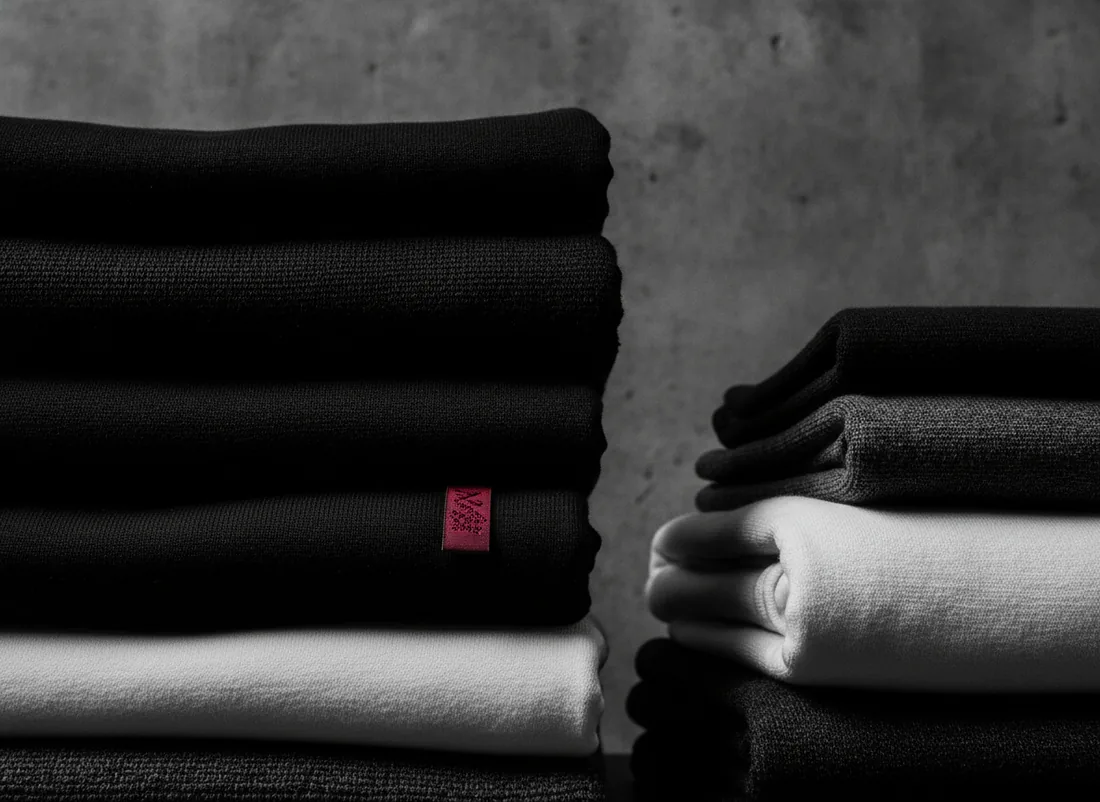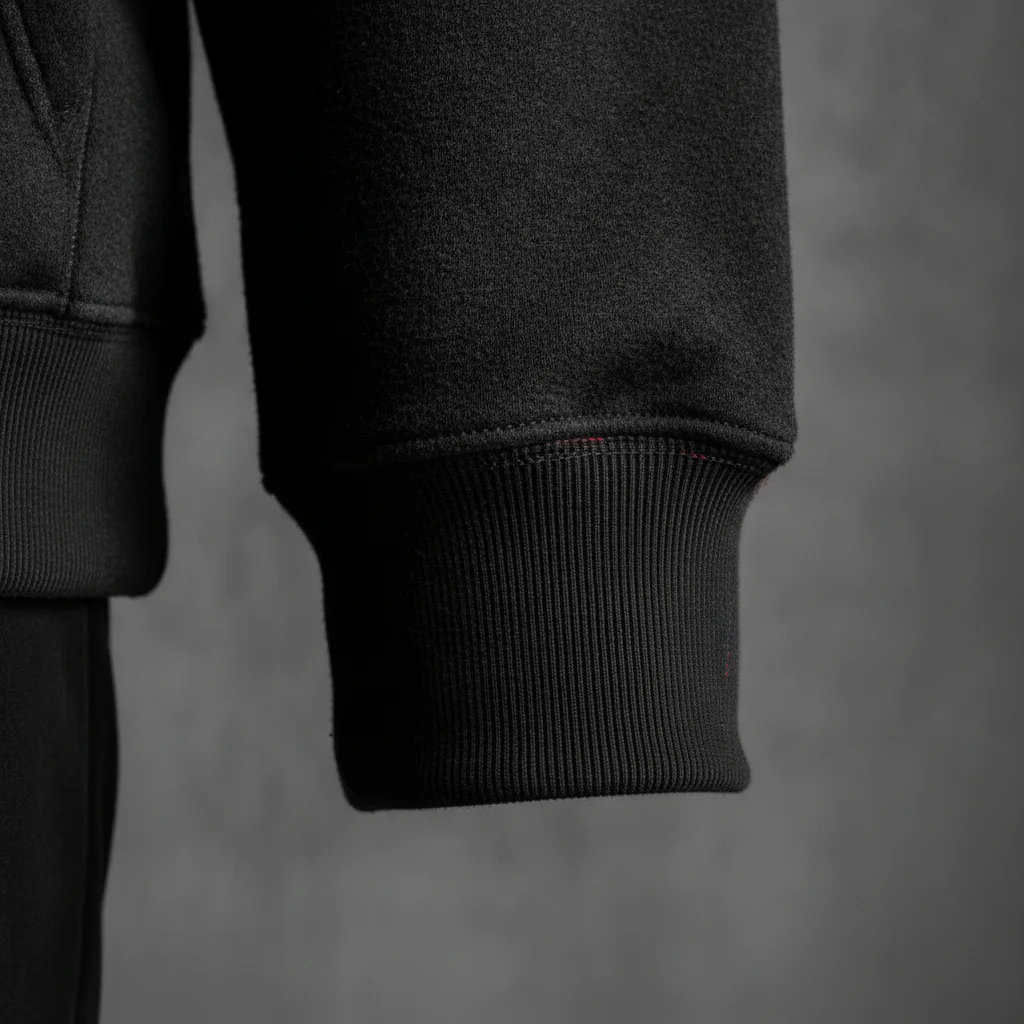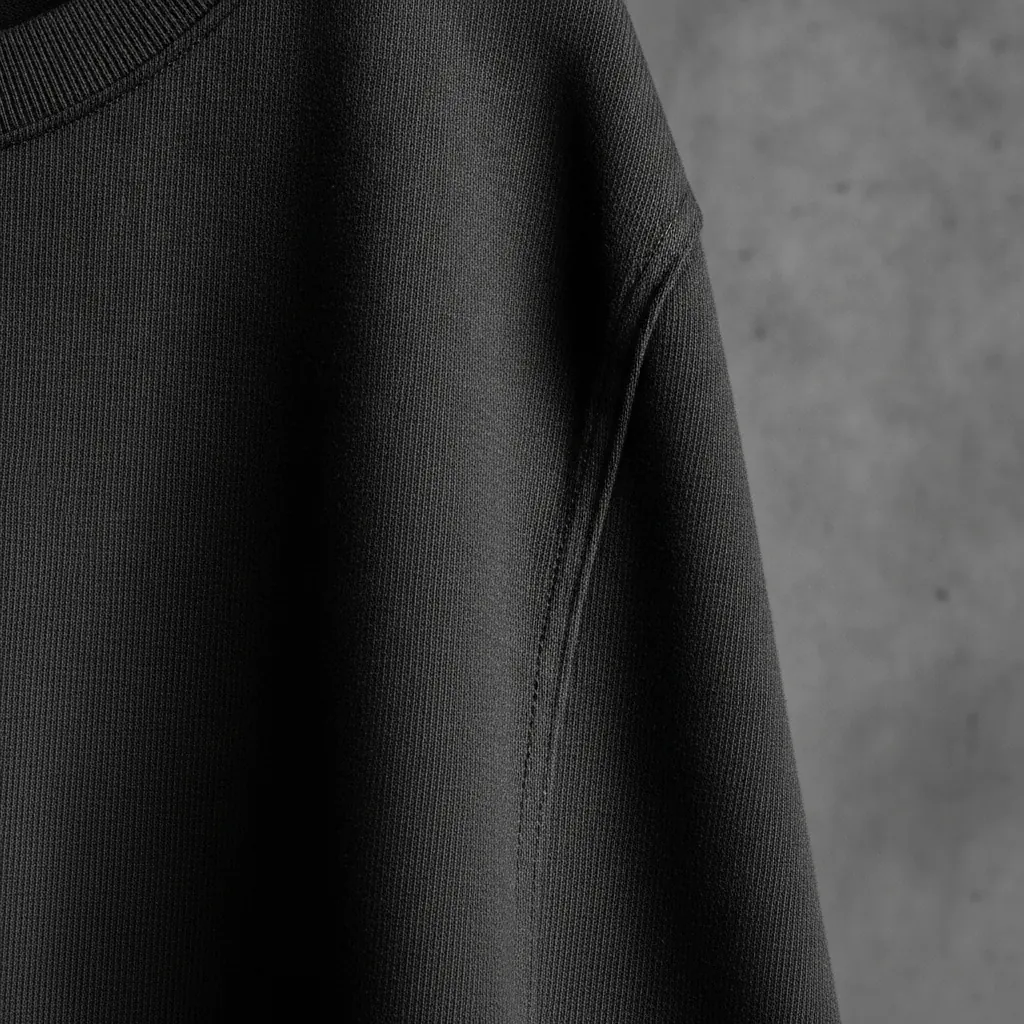
The best fabric for streetwear in 2026 is 240-280 GSM combed cotton for tees, French terry for sweats, and 300-400+ GSM fleece for hoodies – weight and hand-feel are what separate a streetwear garment from a basic tee, not the graphic printed on top of it. Getting fabric right is the decision that determines how a piece drapes, prints, and holds up through repeat washing.
Fabric choice is not one answer across a whole line – a tee, a hoodie, and a sweatshort each need a different weight and weave to perform and print well. This guide breaks down the leading options by garment type, how they compare on cost and hand-feel, and how Minku sources and tests fabric before any bulk order is cut.
Why Fabric Weight (GSM) Is the Foundation of Streetwear
GSM (grams per square meter) measures fabric density, and it is the number that separates a retail basic from a streetwear-grade garment. A 150 GSM tee feels thin and see-through; a 240 GSM tee has structure, holds its shape on the hanger, and prints cleaner because the ink sits on a denser weave. Streetwear brands lean heavyweight because the category is built around drape, boxiness, and a garment that reads as substantial in a photo or on a rack.
Weight also affects longevity – heavier cotton resists pilling and stretch-out through washing far better than lightweight jersey, which matters for a brand depending on reorders rather than one-off sales.
Heavyweight Cotton for T-Shirts
240-280 GSM combed cotton is the current standard for streetwear tees, sitting well above the 150-180 GSM range used by fast-fashion basics. Combed cotton removes short fibers before spinning, giving a smoother surface that holds screen print and DTG ink with sharper edges than carded cotton. For boxy, oversized, or drop-shoulder fits, the added weight also keeps the garment structured instead of collapsing on the body. See custom heavyweight t-shirt manufacturer for the full GSM range Minku produces.
French Terry for Sweatshirts & Sweatsuits
French terry is a knit fabric with a smooth face and a looped, uncut back – lighter than fleece but with more structure than a jersey tee. It is the fabric of choice for crewneck sweatshirts and matching sweatsuits that need to look clean and drape well without the bulk of a full fleece hoodie. French terry also takes puff print and embroidery well, since the looped back gives a stable surface for stitching. Read more on what French terry fabric is and how it differs from fleece.
Fleece for Hoodies
Fleece runs from a 300 GSM mid-weight brushed fleece to 400+ GSM heavyweight fleece used on premium oversized hoodies. The brushed interior traps warmth and gives the garment its characteristic soft hand-feel, while the outer face holds screen print, embroidery, and puff print equally well. Heavier fleece is also what allows an oversized or boxy hoodie fit to hold its silhouette rather than sagging after repeated washing. Check what GSM is best for hoodies for a size-by-size breakdown.
Cotton vs Cotton-Blend vs Performance Fabric
| Fabric | Typical GSM | Best For | Print/Decoration Fit |
|---|---|---|---|
| 100% combed cotton | 180-280 | Tees, boxy fits | Screen print, DTG, embroidery |
| Cotton/poly blend fleece | 280-400 | Hoodies, crewnecks | Screen print, embroidery, puff print |
| French terry | 240-320 | Sweatshirts, matching sets | Puff print, embroidery |
| Polyester tricot/nylon | Weight varies by construction | Tracksuits, windbreakers | Sublimation, screen print |
Combed vs Carded Cotton – Why It Matters
Combed cotton is processed to remove short, weak fibers, leaving a smoother, more even yarn. Carded cotton skips that step, which brings the raw material cost down but leaves a rougher hand-feel and a surface that holds print less sharply – fine detail in a graphic can lose crispness on carded cotton where the same design prints cleanly on combed. Streetwear brands building around detailed graphics or all-over print designs should default to combed cotton for that reason. Full comparison at combed vs carded cotton.
Fabric Choices by Climate & Market
A brand shipping into Houston or Miami leans harder into 220-260 GSM tees and shorts, where a garment needs to breathe. A brand based in Chicago, Boston, or the UK and Northern Europe leans into 350-400 GSM fleece hoodies and heavier sweatsuits that carry through a cold season. Minku sources fabric across this full range so a brand’s line matches the climate its customers are actually wearing it in, not one fixed weight applied to a whole catalog.
How Fabric Choice Affects Decoration Method
Fabric and decoration are not independent decisions. Screen print holds crisp lines on a smooth combed-cotton surface. DTG needs a higher cotton content to absorb ink correctly. Puff print needs a stable knit like fleece or French terry to raise cleanly without cracking. Acid wash and garment dye are processes applied to the finished garment, so the base fabric has to tolerate the wash chemistry without weakening the weave – which is why Minku tests dye lots on sample yardage before committing a bulk order to a wash finish.
Fabric Cost Factors
Fiber content, GSM, and finishing (brushing, dyeing, pre-shrinking) all move fabric cost. A heavier GSM uses more raw fiber per meter, and a garment-dyed or acid-washed piece adds a wet-processing step after cutting. None of these costs disappear by sourcing a thinner fabric – they show up later as pilling, print cracking, or shrinkage that damages a brand’s reputation with reorder customers. Minku prices fabric transparently at the quote stage so a brand can weigh weight against unit cost before committing to a design.
Knit vs Woven Fabric in Streetwear
Most streetwear staples – tees, hoodies, sweatshirts – are built from knit fabric, which stretches with the body and drapes softly. Cargo pants, structured shorts, and outerwear panels often use woven fabric instead, which holds a crisper shape and supports hardware like zips, snaps, and cargo pockets far better than a knit ever could. Choosing between the two is not about which is superior – it is about matching construction to the garment’s job, and a brand mixing both fabric families across one collection needs a manufacturer that runs both knit cutting and woven cut-and-sew under the same roof. Full comparison at knit vs woven fabric.
Organic & Recycled Cotton Options
Beyond standard combed cotton, some streetwear brands are moving toward organic or recycled-content cotton for a lower environmental footprint, without giving up the heavyweight hand-feel the category depends on. Organic cotton is grown without synthetic pesticides and typically carries a small premium, while recycled cotton blends reclaimed fiber back into new yarn, sometimes trading a small amount of tensile strength for a lower resource footprint. Both can be spun to the same 240-280 GSM range used in standard streetwear tees, so a brand does not have to sacrifice weight or drape to make the switch. See organic vs recycled cotton for a full breakdown of the trade-offs.
A Real Example: Fabric Choice Shaping a First Collection
A founder launching a five-piece capsule – two tees, one crewneck, one hoodie, one pair of shorts – typically needs three separate fabrics: 260 GSM combed cotton for the tees, 280 GSM French terry for the crewneck, and 380 GSM fleece for the hoodie, with a lighter 220 GSM cotton twill for the shorts. Ordering all five pieces in a single mid-weight fabric to simplify sourcing usually backfires – the hoodie feels thin next to competitors’ pieces, and the tee ends up heavier and stiffer than a customer expects for warm-weather wear. Matching fabric to garment type, even across a small first order, is what makes a five-piece capsule read as a considered collection rather than a set of unrelated basics.
Testing Fabric for Shrinkage & Colorfastness
Fabric that has not been pre-tested for shrinkage can lose a full size grade after one wash cycle, which is a common source of reorder disputes for brands sourcing from an untested supplier. Minku pre-shrinks fabric during finishing and checks colorfastness on dyed or washed styles before bulk cutting, so a size medium delivered in month one still measures a size medium after a customer’s first wash. This step matters as much as the initial fabric choice itself, since even the correct GSM and fiber content can perform poorly if the finishing process was skipped.
How Minku Tests Fabric Before Bulk Production
Each custom order goes through a pre-production sample in the exact fabric, GSM, and colorway specified in the tech pack. For dyed or washed finishes, Minku can run a lab dip to confirm the color before bulk fabric is committed. This sampling step exists so a brand sees and approves the actual hand-feel, drape, and print result before 50, 100, or 500 pieces are cut – not after.
Choosing fabric is the first real decision in building a streetwear line – fit and decoration are built on top of it. Get Your Custom Quote and Minku will recommend fabric and GSM for your specific design, or explore the full custom streetwear manufacturer range.
Best Fabric for Streetwear (2026 Guide) — In Detail