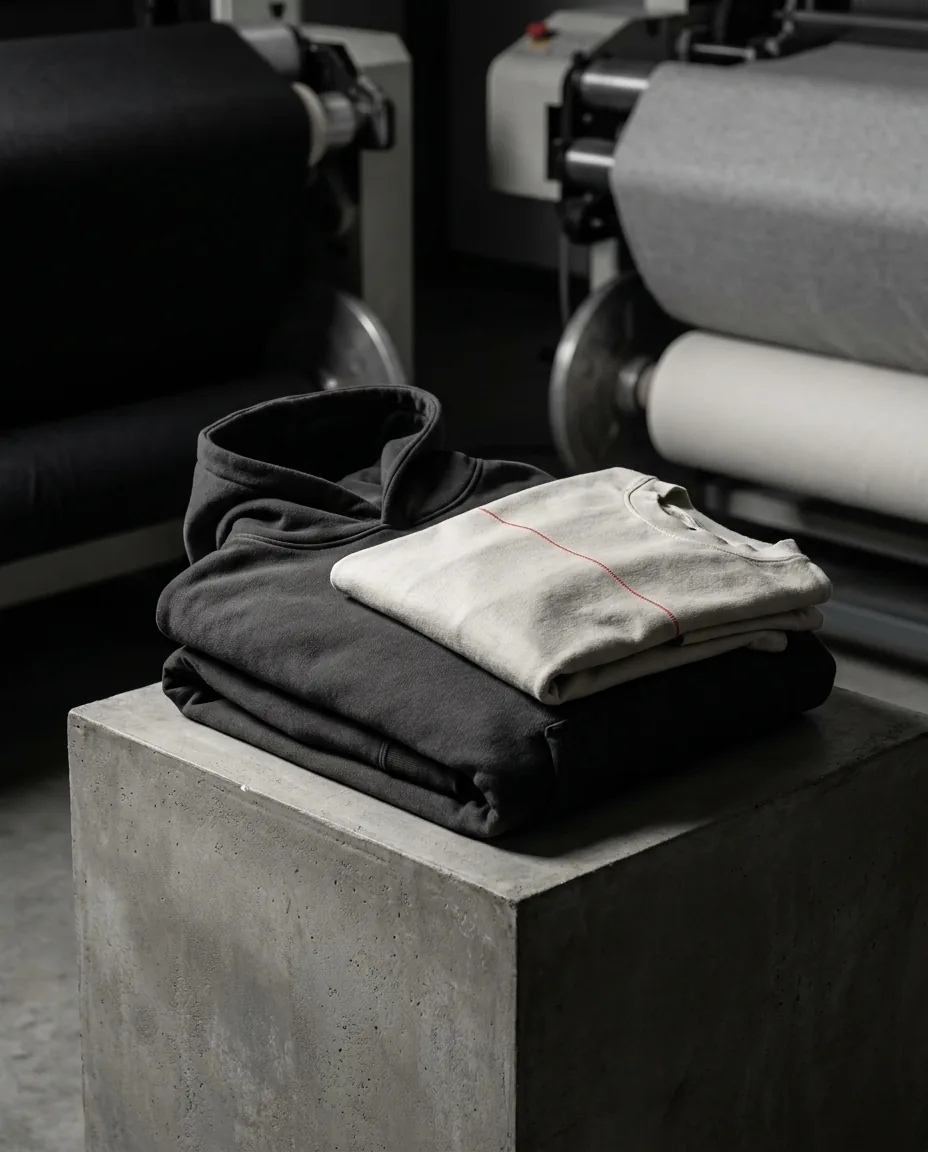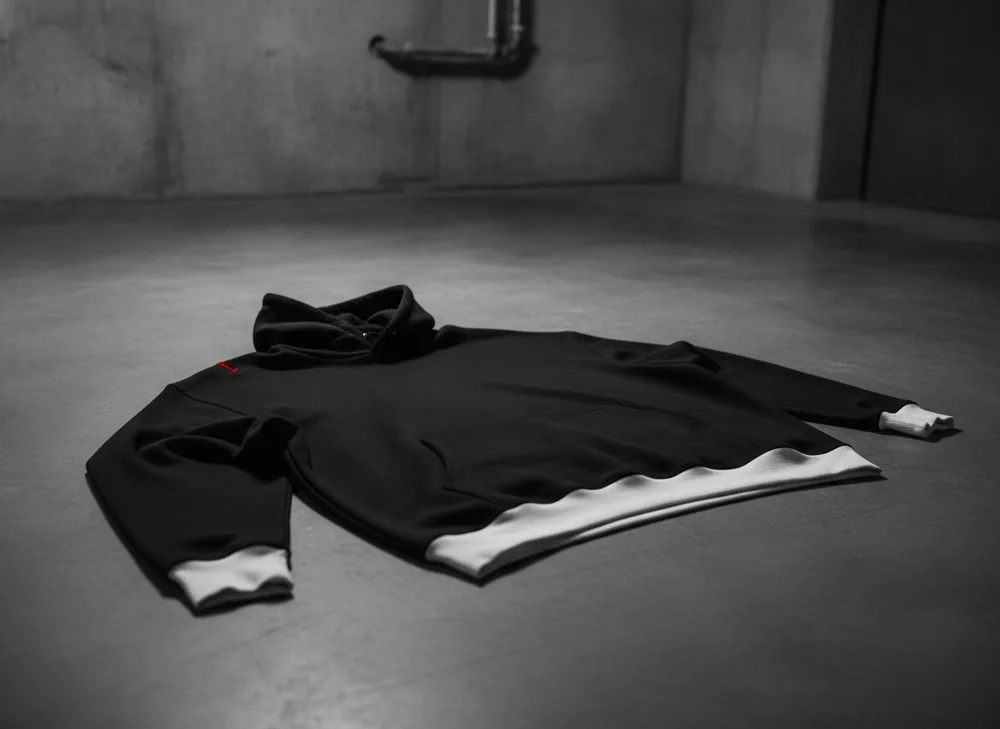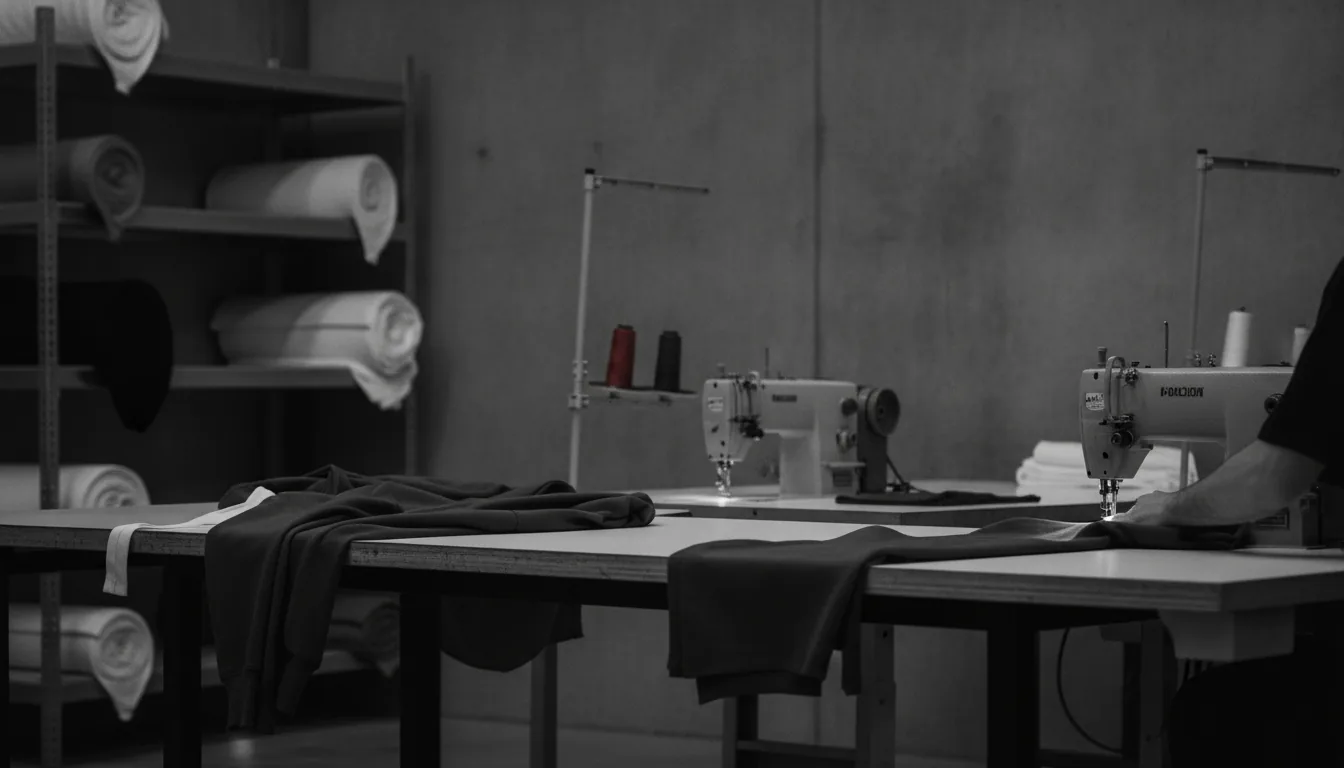
Streetwear looks premium when fabric weight, construction quality, and decoration technique all signal a garment built to last, not one stitched to move through a single season. Buyers feel it before they read a hangtag: heavyweight cotton with real drape, seams that do not pucker, and print or embroidery that stays sharp after twenty washes. All the rest on the hanger – the logo, the color story, the packaging – only works if the garment underneath earns that first touch.
Brands building a streetwear line often assume premium comes from design alone. It does not. A strong graphic on a thin 150 GSM blank still reads as a promotional t-shirt. The same graphic on a 240-300 GSM ringspun cotton tee, cut with a clean drop-shoulder silhouette and finished with a woven neck label, reads as a product a customer will pay full retail for and reorder. This page breaks down the specific, controllable factors that separate a premium streetwear piece from a forgettable one, and how a manufacturer like Minku Apparel builds each one into production from the first sample.
Fabric Weight and Hand-Feel
GSM (grams per square meter) is the single biggest lever on perceived quality. Light 130-160 GSM cotton drapes thin and see-through – fine for a warm-climate basic, weak for a flagship streetwear drop. Mid-weight 180-220 GSM holds a print well without much structure. Premium streetwear generally lives at 240 GSM and above for tees, and 320-400+ GSM for hoodies and sweatshirts, where the fabric has enough body to hold an oversized or boxy cut without collapsing.
Fiber and Knit Matter Too
Combed cotton feels smoother than carded cotton because shorter fibers are removed before spinning. French terry gives a hoodie structure with a looped interior face; fleece brushes that loop into a soft nap for warmth. None of these choices show up in a product photo – customers feel them in the first ten seconds of trying a piece on, and that moment decides whether they trust the price tag.
Construction Details That Signal Quality
Construction is where budget manufacturers cut corners because it is invisible in flat-lay photography. Premium construction includes double-needle stitching at hems and sleeves, reinforced shoulder seams, ribbed cuffs and waistbands that hold their shape after repeat washing, and overlock stitching on interior seams so nothing frays. On a hoodie, a heavier drawcord, metal eyelets instead of plastic, and a kangaroo pocket with bar-tacked stress points are small details that add up to a garment that survives daily wear for years, not months.
Decoration Technique and Execution
The decoration method matters less than how well it is executed. Screen printing with proper ink lay-down and correct mesh count produces a print that will not crack after washing; a rushed print job on the correct fabric still looks inexpensive. Puff embroidery and flat embroidery read as premium because thread has texture and dimension a flat print cannot fake. DTG (direct-to-garment) suits detailed, full-color art on lighter fabric but needs a properly pretreated garment to avoid a dull, chalky finish. Acid wash, garment dye, and tie-dye add a one-of-one character streetwear buyers pay a premium for, but only when the wash process is controlled enough to keep color consistent across a production run.
Fit and Silhouette
Fit is the fastest visual signal a customer reads. Oversized and boxy fits, dropped shoulders, and cropped lengths all say “designed intentionally” rather than “ordered off a generic size chart.” A premium streetwear piece is graded with proportion in mind – sleeve length matched to body width, hem width matched to shoulder width – so the garment hangs the way the mockup promised. Manufacturers that skip a fit sample and cut straight to bulk almost always produce something that looks close to the design but sits wrong on the body, and customers notice within the first fitting room glance.
Wash, Dye, and Finish Treatments
Finish treatments are where a piece earns character. Garment dyeing after construction (rather than dyeing fabric before cutting) gives each panel of a hoodie a uniform, slightly worn-in tone that reads as considered rather than accidental. Acid wash creates contrast and texture that photographs well on a product page and in the hand. Enzyme washing softens heavyweight cotton so a 400 GSM hoodie does not feel stiff on first wear. None of these finishes are complicated to describe, but each requires controlled timing and chemistry – rushed washes produce blotchy, inconsistent color that undercuts an otherwise well-built garment.
Private Label Details That Complete the Story
Premium streetwear rarely ships in a generic poly bag with a printed care tag. Woven neck labels (not printed), custom hangtags with brand story copy, branded poly bags or boxes, and matching care labels all reinforce the same message the fabric already sent: this brand controls each detail. Full private label manufacturing means these choices are baked into the production run from the first unit, not added as an afterthought after the blanks arrive.
| Signal | Budget Approach | Premium Approach |
|---|---|---|
| Fabric weight | 130-160 GSM, thin hand-feel | 240-400+ GSM cotton, French terry, or fleece |
| Construction | Single-needle hems, standard cuffs | Double-needle stitching, reinforced ribbing |
| Decoration | Rushed print, low mesh count | Controlled ink lay-down, puff or flat embroidery |
| Fit | Generic size chart, no fit sample | Graded silhouette, pre-production fit sample |
| Labeling | Printed care tag only | Woven neck label, branded hangtag, custom packaging |
What Premium Execution Costs vs What It Returns
Heavier fabric, controlled washes, and real embroidery add material and labor cost per unit compared to a thin blank with a rushed print. A 340 GSM fleece hoodie with puff embroidery and a woven neck label costs more to produce than a 180 GSM hoodie with a one-color screen print – but it also supports a retail price two to three times higher, and it survives enough washes that a customer buys the next drop instead of writing the brand off after one wash cycle. Brands positioning at a premium price point almost always lose that positioning at the factory floor, not in marketing: a weak fabric or a sloppy print undoes months of brand-building the first time a customer handles the product.
Where Brands Usually Overspend Instead
Founders new to manufacturing often over-invest in packaging and under-invest in fabric weight, assuming a striking unboxing experience compensates for a thin garment. Reviewers and repeat customers rarely mention packaging in the first sentence of feedback – they mention how the piece feels on and how it holds up. A tech pack that specifies GSM, wash type, and stitch detail before quoting keeps the manufacturing budget pointed at the parts of the product a customer touches each day.
Common Mistakes That Undercut a Design
Three mistakes undercut premium positioning more than any others. First, skipping a pre-production sample to save a few days – fit and fabric hand only get confirmed once bulk is already cut. Second, choosing fabric weight based on unit price rather than the garment’s category (a 180 GSM “hoodie” will never feel substantial no matter how strong the graphic is). Third, treating decoration as an afterthought instead of specifying thread weight, mesh count, and placement on the tech pack before production starts. Each mistake is preventable with a manufacturer that reviews the tech pack and runs a sample before bulk.
How Minku Apparel Builds Premium Into Each Order
Minku Apparel manufactures streetwear at 240-400+ GSM cotton, French terry, and fleece from its factory in Pakistan, with in-house screen print, DTG, puff and flat embroidery, acid wash, garment dye, tie-dye, and all-over print under one roof. Each order starts with a tech pack review and a pre-production sample so fit, fabric hand, and decoration placement are confirmed before bulk cutting begins – not discovered after 500 units land. Full private label service covers woven neck labels, custom hangtags, and branded packaging, and MOQ starts from 50 pieces per design so a new brand can test a premium execution without committing to a warehouse-sized order. Finished orders ship worldwide on DDP terms, landing at a fixed cost with duties and customs handled before the goods leave the factory.
Brands that want the full breakdown of fabric options for a specific product should review Minku’s heavyweight hoodie manufacturing page, or start from the custom streetwear manufacturer hub to compare each product line. For a side-by-side on printing methods, see the guide to choosing a decoration method, and for fabric selection across the full product range, the streetwear fabric guide covers weight and composition by garment type. When the direction is set, get a custom quote with a tech pack to start a sample.
What Makes Streetwear Look Premium? — In Detail