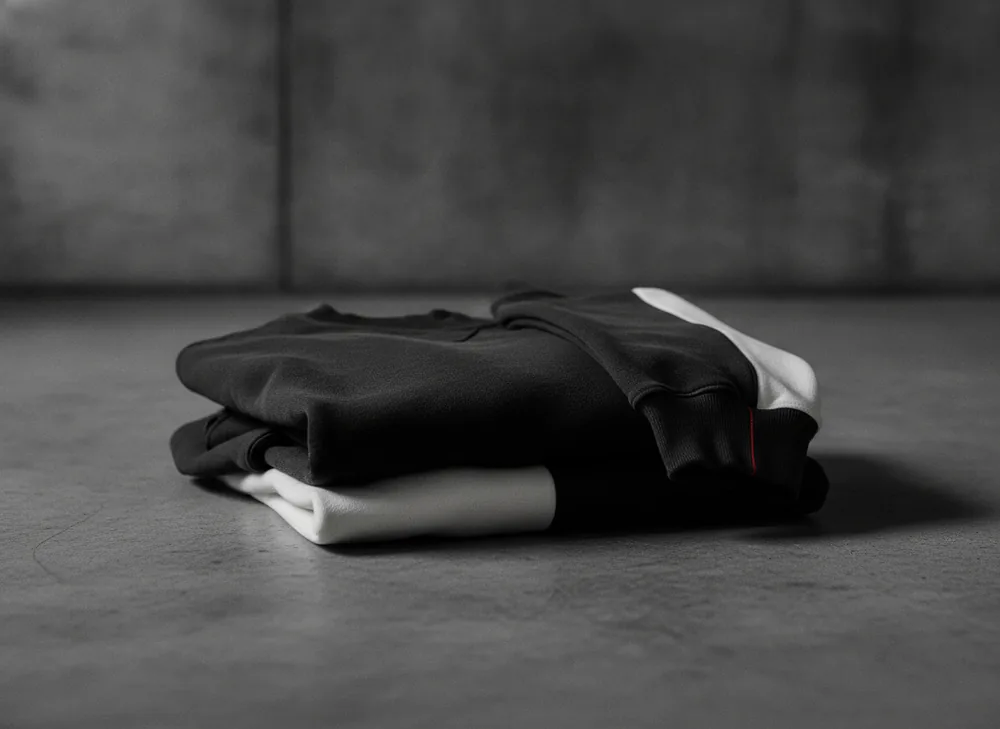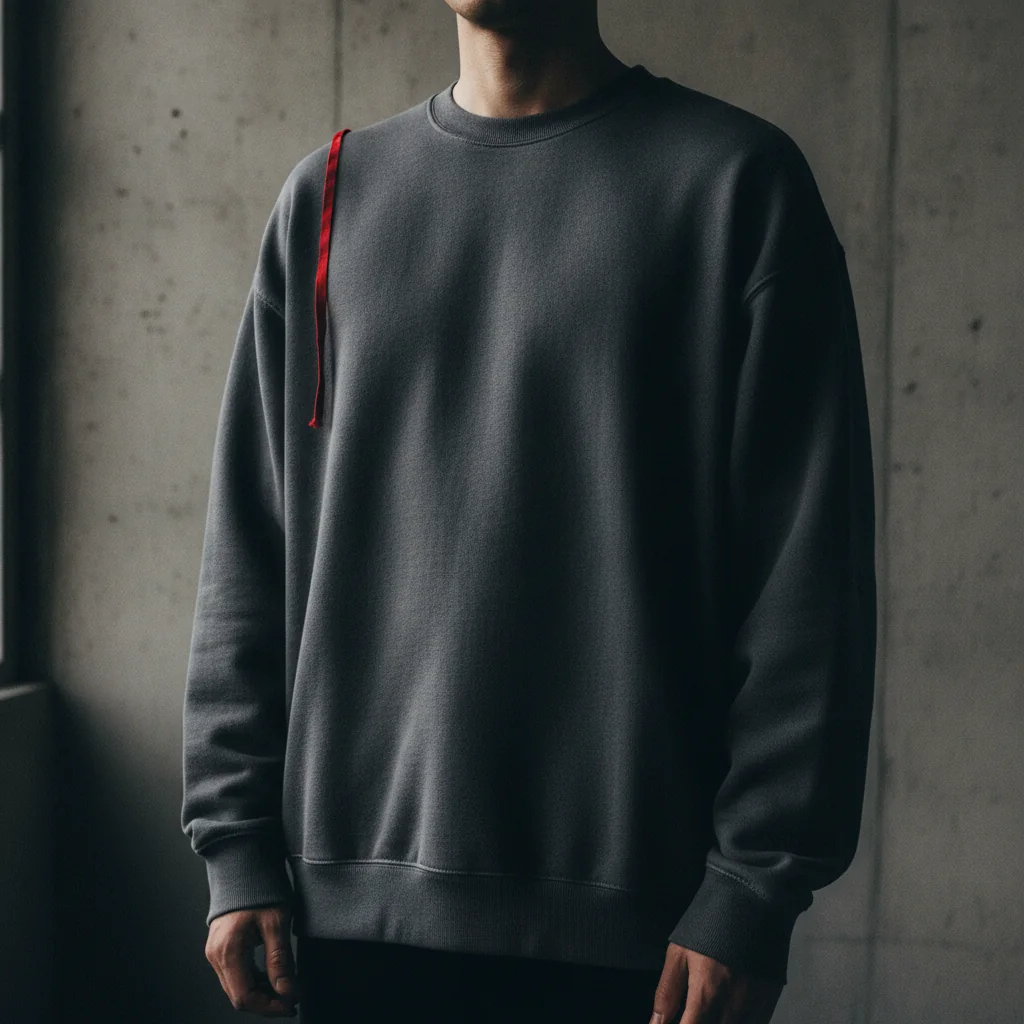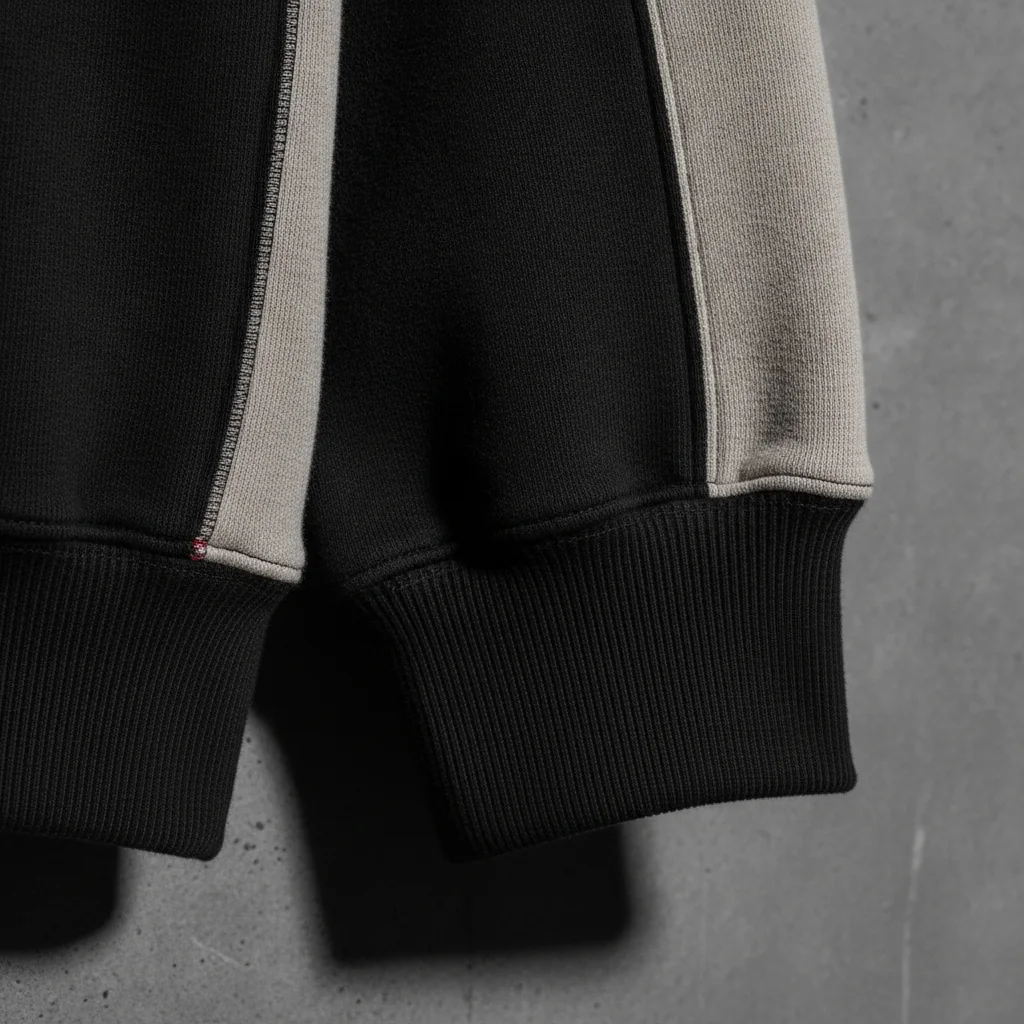
Minku Apparel manufactures custom sweatshirts for German streetwear brands from 50 pieces per design, working in 240 to 400+ GSM cotton, French terry and fleece, fully private-labelled and shipped DDP to Germany in 6 to 9 days by air. The sweatshirt is a season-spanning core piece for a German label, and it is built here to a weight and construction that holds up through a long, cold retail calendar.
This page covers how we produce custom sweatshirts for the German market: fabric and construction, fit and finish, in-house decoration, private label and packaging, MOQ and euro pricing, and the DDP shipping terms that land a finished order at your door with duty and VAT already settled. Whether your brand sits in Berlin’s underground scene or serves labels nationwide, the specification range below is what we build to.
Why German brands source custom sweatshirts overseas
Germany has strong industrial manufacturing generally, but dedicated small-batch cut-and-sew for streetwear is thin on the ground domestically, and what exists tends to price low-volume runs high or require a design commitment before a brand has proof its market wants the piece. That gap is where an overseas factory built specifically around 50-piece minimums and private label finishing earns its place in a German brand’s supply chain.
Our production model runs a tech pack and a physical pre-production sample before any bulk cutting starts, which is the part of overseas sourcing that reduces the actual risk – not the country of manufacture, but whether the factory locks fit, weight and decoration on a sample you can hold before committing to volume.
As a dedicated custom sweatshirt manufacturer, we work with German labels ranging from a first 50-piece test run to established brands reordering several hundred pieces per season, all on the same terms.
Fabric weight and construction built for a German winter
Our sweatshirt range spans 240 GSM cotton for a lighter transitional piece up to 400+ GSM brushed French terry and fleece for a heavyweight crewneck built to carry a Berlin or Munich winter under a jacket. The brushed interior traps warmth without adding stiffness, and at the top of the GSM range the fabric holds a boxy, structured drape rather than draping soft against the body.
Construction choices include tubular or side-seam bodies, ribbed or raw-edge hems, and a dropped or set-in shoulder depending on the silhouette you want. For a side-by-side of terry against fleece and how each wears over a season, see our best fabric for streetwear guide. Whatever weight you choose, it is confirmed on a pre-production sample before we cut bulk, so the fabric in your hand is the fabric that ships.
Fits, weights and finishes we produce
Regular crewneck, oversized boxy with a dropped shoulder, and cropped fits are all standard, alongside vintage wash, garment dye and pigment-dye finishes for brands wanting a faded, worn-in look. Our heavyweight sweatshirt program covers the 400+ GSM end of the range specifically for labels building a genuinely substantial winter crewneck rather than a mid-weight day-to-day piece.
Each fit runs on its own block rather than a resized version of another, so an oversized crewneck and a regular crewneck from the same order fit correctly at their intended proportions, not only at a different size number.
In-house decoration for German sweatshirt lines
Screen print in tonal or multi-colour, DTG for detailed or gradient art, flat and puff embroidery, garment dye and acid wash all run inside our factory. German streetwear tends to reward technical, considered branding over loud graphics – a clean embroidered mark or a subtle tonal print reads as intentional rather than decorative, and that restraint is easy for us to build toward because decoration, cutting and sewing all happen on the same production floor.
Running each method in-house also means a design combining an embroidered chest logo with a printed back graphic ships as a single coordinated batch instead of a job split across separate print and embroidery vendors, which keeps colour and placement consistent from the sample through a full reorder.
Private label, tags and packaging
Each sweatshirt ships with your custom woven or printed neck label, size and care tags, inner branding in embroidery or heat transfer, hang tags and packaging built to your specification. See our full labels, tags and packaging breakdown for the full list of what we produce in-house, all confirmed on your pre-production sample before bulk goes into production.
DDP shipping and EU duty to Germany
Sweatshirts ship DDP, so German import VAT and EU customs duty are paid before arrival, and there is nothing owed on the receiving end. Air freight runs 6 to 9 days from dispatch, and sea freight is available for larger reorders where per-unit cost matters more than speed.
| Spec | Detail for Germany orders |
|---|---|
| MOQ | ~50 pcs per design / colorway |
| Fabric weight | 240-400+ GSM cotton / French terry / fleece |
| Fits | Regular crew, oversized boxy, cropped |
| Decoration | Screen print, DTG, embroidery, wash finishes |
| DDP air to Germany | ~6-9 days, VAT and duty paid |
| Currency | EUR, landed cost fixed |
For the full mechanics of landed pricing, read what DDP shipping means, and for the route from our factory, see shipping from our Pakistan factory.
MOQ and euro pricing
Sweatshirt pricing follows fabric weight, fit and decoration. A 400+ GSM heavyweight crew with multi-position embroidery costs more per unit than a 240 GSM screen-printed piece, which reflects the fabric and labour going into it. We hold construction and colour consistent across each reorder, which is what a German label needs when a crewneck is the piece customers come back for season after season. That consistency is checked against the original pre-production sample and the tech pack at each reorder, not against the previous shipment alone, so weight and colour do not creep across three or four production runs.
Berlin, Munich and the wider German scene
Berlin’s underground and techno-adjacent scene favours muted, technical streetwear with a heavier fabric hand and restrained branding, a look our upper GSM range and tonal decoration options are built to serve. Munich carries a more premium, Bavarian retail market where finishing quality and fit precision get scrutinised more closely, and colder alpine winters push demand toward the heaviest end of our fleece range.
For city-specific detail, see our custom sweatshirt manufacturer in Berlin and custom sweatshirt manufacturer in Munich pages, and for the full country picture across our product range, our streetwear manufacturer in Germany hub covers sourcing beyond sweatshirts.
Sampling and production, step by step
You send artwork, reference garments and measurements. We build a tech pack, source fabric to the confirmed weight, and cut a pre-production sample with your decoration and private label applied. You review it, request any changes, and only after sign-off does bulk cutting start. That sequence removes the common failure points of overseas sourcing – a rib that will not hold shape, a print that cracks after a wash, a body that runs short – because all of it gets locked on a physical sample first.
For typical timing across the whole process, see how long custom sweatshirts take to manufacture.
Quality control before your sweatshirts ship
Bulk production runs through fabric inspection at the roll stage, in-line checks during cutting and stitching, and a final random-sample audit against the tech pack before the order leaves the factory floor. Measurements, seam strength, colour match to the approved sample, and print or embroidery placement are all checked before packing, not left to be discovered once the shipment lands in Germany.
This matters most on a reorder, where a German label is trusting that the second or third batch matches the first without needing to re-inspect it themselves. Our clothing manufacturing quality control page covers the full inspection process in more depth, including what happens if a batch does not meet the approved standard.
GSM, explained for German buyers new to overseas sourcing
GSM stands for grams per square metre, the standard measure of fabric weight, and it is the single number that tells you the most about how a sweatshirt will perform before you ever touch it. A 240 GSM cotton sweatshirt drapes light and suits layering; a 400+ GSM brushed fleece stands structured and holds heat, the range most German winter crewnecks land in.
For brands new to sourcing outside Germany, quoting and specifying by GSM rather than a vague description like heavyweight or midweight removes the guesswork between what you ask for and what a factory cuts. Our what does GSM mean page explains the measure in full, and each tech pack we build states the GSM target in writing before sampling starts.
Minku vs a German domestic cut-and-sew partner
German domestic partner
Faster local sampling, higher per-style minimums, narrower GSM range on true heavyweight fleece, premium short-run pricing.
Minku Apparel
50-piece MOQ, 240-400+ GSM range, full in-house decoration and private label, DDP door-to-door in 6 to 9 days.
A domestic partner suits a brand that needs a sample turned around in days and can absorb a higher minimum spend. For a German label still proving demand, or one that wants a heavier fabric hand than a local cut-and-sew shop runs comfortably, an overseas factory built around that specific gap is the more workable route. See the fuller comparison on our overseas vs domestic manufacturer page, or get a quote with your specs to see where your design lands.
Custom Sweatshirt Manufacturer in Germany – Sweatshirts for Your Brand | Minku Apparel — In Detail