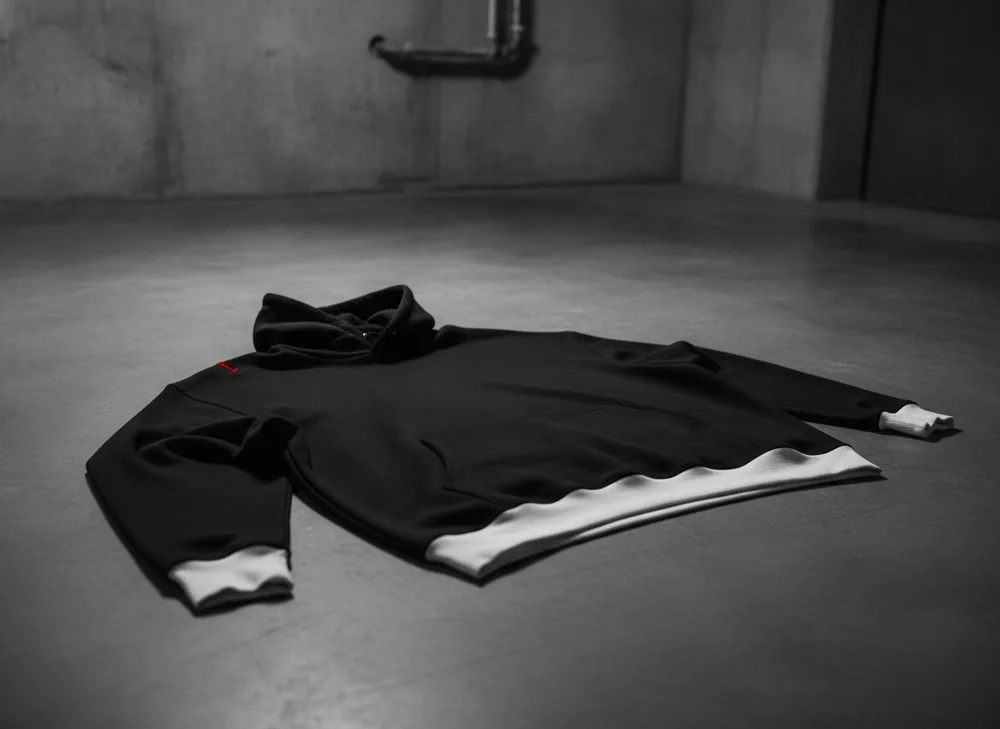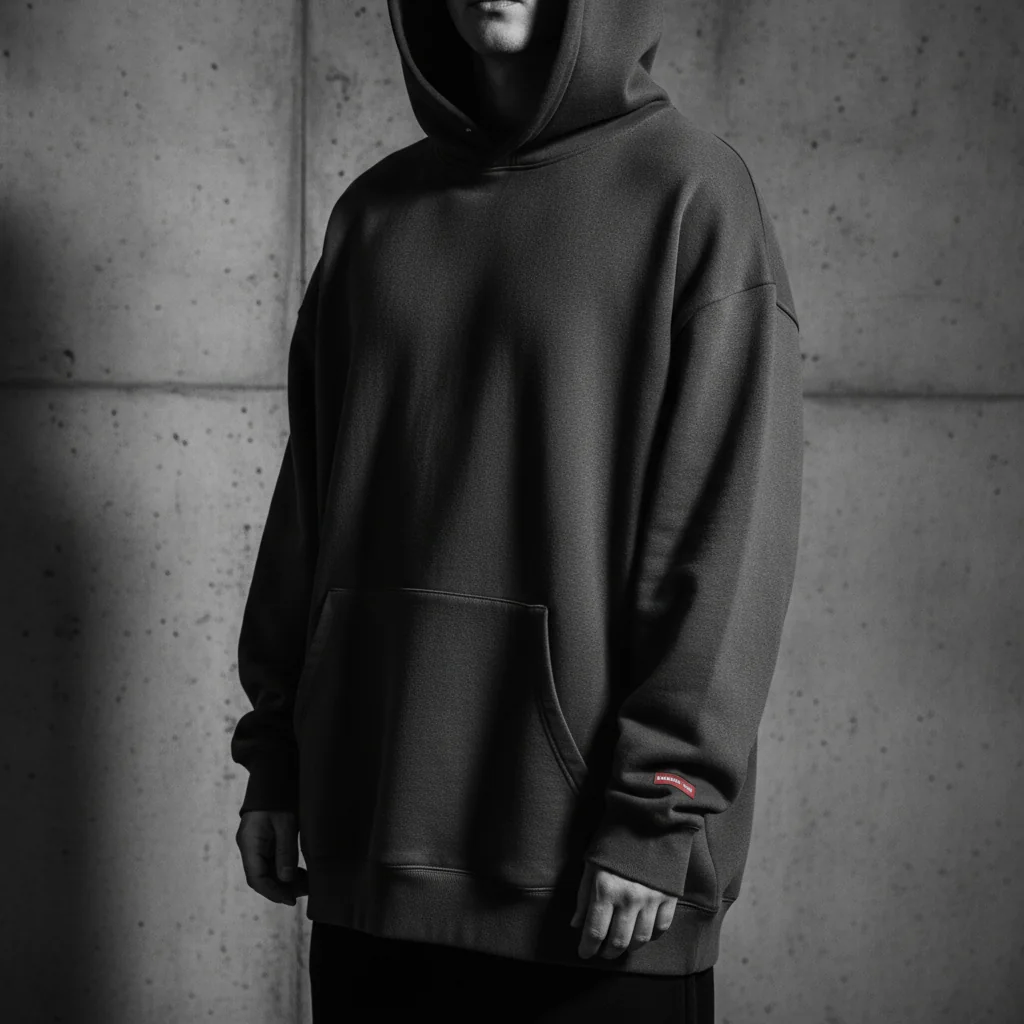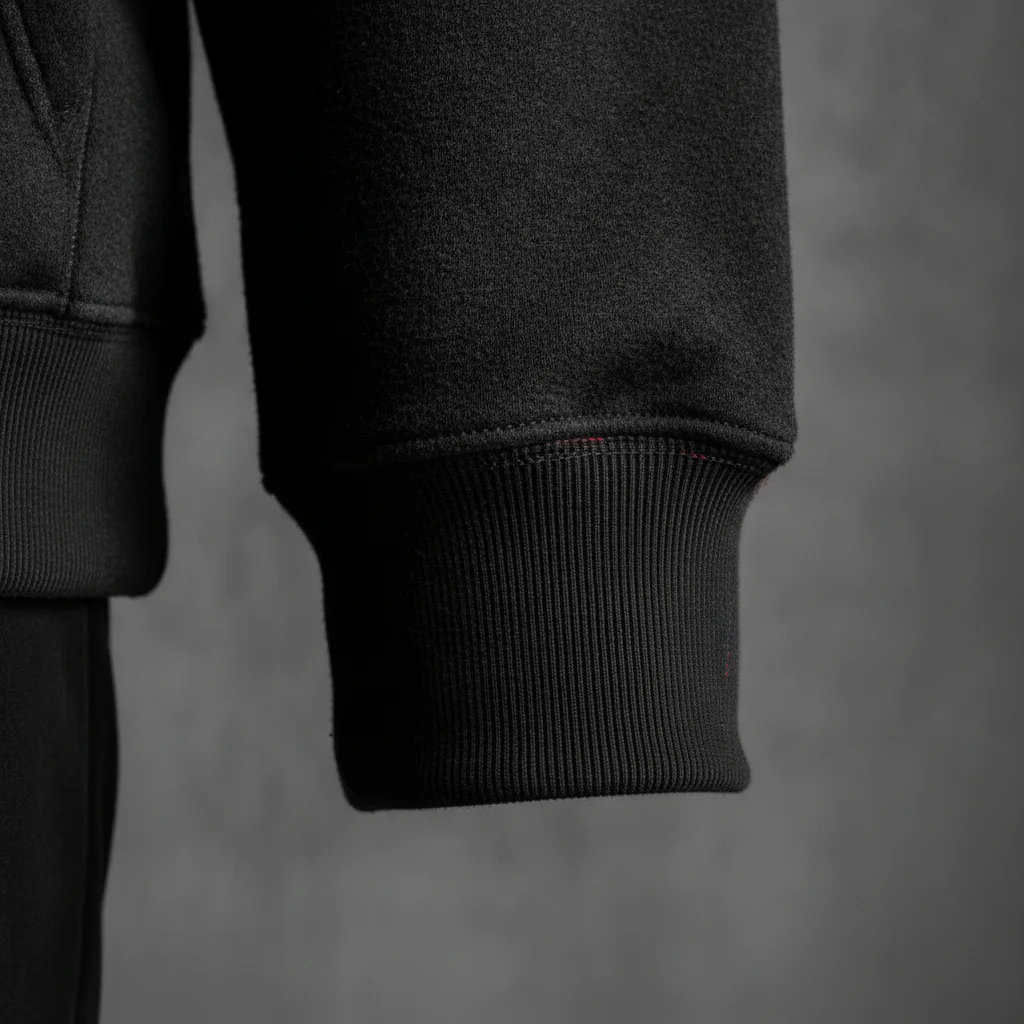
The MOQ (minimum order quantity) for custom hoodies at Minku Apparel starts at 50 pieces per design, across one or multiple colorways, with a pre-production sample approved before bulk cutting begins. That number is set to let a new streetwear brand launch a real drop – not a token run of samples – without carrying the fabric and cutting minimums a large wholesale factory would demand.
MOQ is the single biggest gatekeeper for a brand trying to source hoodies overseas, and it varies enormously between manufacturers depending on fabric, decoration method and how many colorways you split across. Here is exactly how our MOQ works, what moves it up or down, and how to plan your first order around it.
What MOQ actually means
Minimum order quantity is the smallest number of units a factory will cut and produce in a single run. It exists because cutting fabric, setting up print screens or embroidery files, and running a sewing line all carry fixed costs that need spreading across enough units to make the run worth scheduling. Below the MOQ, per-piece cost climbs sharply or the factory declines the order outright.
Large wholesale factories often set MOQs at 300 to 1,000+ pieces per style because their production lines are built for volume brands. That threshold locks out a new label that wants to test a design before committing capital to a large first drop – which is the exact gap a 50-piece MOQ is built to close.
How our 50-piece MOQ breaks down
The 50-piece figure applies per design, meaning per unique style and graphic – not per colorway or size. A single hoodie design split across three colorways (black, cream, olive) at roughly 17 pieces each still meets the 50-unit design minimum, as long as the total design quantity clears 50 and sizes are reasonably distributed across a standard size run.
Multiple designs in one order each carry their own 50-piece threshold, so a three-style drop typically starts around 150 total pieces. That structure lets a brand launch a small capsule with real variety – not one hoodie repeated fifty times – while keeping per-style production efficient for the factory.
Why low MOQ matters for new brands
A founder launching a first drop is testing a design, a size run and a market reaction, not committing to a season of guaranteed sell-through. A 50-piece MOQ turns that test into a manageable investment instead of a 500-unit gamble on an unproven graphic, size curve or price point.
Reordering is where volume typically grows. Brands that validate a hoodie at 50-100 pieces commonly reorder at 300-500+ once the design proves itself, keeping the same tech pack, fabric and labels for consistent quality across each batch. Low MOQ is a market-testing tool, not a ceiling on how large an order can eventually get.
Factors that raise the practical minimum
A handful of choices push a genuine order size above the bare 50-piece floor, even though the factory minimum stays the same. All-over print requires a cut-and-sew process with its own fabric printing setup, which favors larger single-design runs to spread that cost. Multiple embroidery placements or a puff-and-embroidery combination on one garment add setup time per design, again rewarding volume.
Splitting one design across five or six colorways instead of two or three thins out the per-colorway quantity and can push per-unit pricing up, since cutting and dyeing still happen in small batches. Custom trims – branded zipper pulls, special drawcords, unique hardware – also carry their own minimums that can sit above the garment MOQ itself.
MOQ vs unit cost: the volume curve
| Order size | Typical use case | Unit cost trend |
|---|---|---|
| 50-100 pcs | First drop, design test | Standard MOQ pricing |
| 150-300 pcs | Validated design, multi-colorway | Improved per-unit rate |
| 500+ pcs | Proven reorder, wholesale-adjacent | Strongest per-unit rate |
The curve is steady rather than a sharp cliff – each volume tier improves margin somewhat, but a 50-piece order is never structured to feel punishing next to a 500-piece one. That is deliberate: the MOQ exists to enable a first order, not to make it a poor deal in comparison to bulk.
How to plan your first order around MOQ
Start by deciding how many unique designs you want in your launch drop, then multiply by 50 for a rough total. A single-hero-hoodie launch sits around 50-75 pieces once size curve and one or two colorways are factored in; a three-piece capsule (hoodie, crewneck, tee) typically runs 150-225 pieces total.
Send your tech pack or design reference before finalizing quantity – fabric GSM, decoration method and colorway count all feed into the final number our production team confirms, and we flag anything that would push you above the base MOQ before you commit.
Sampling before you commit to MOQ
Each order, regardless of size, goes through a pre-production sample first. That sample confirms fit, fabric hand, print placement and color before we cut the full 50+ piece run, so your MOQ investment goes into a garment you have already approved – not a first look at the finished product.
This sequence – sample, approve, then cut bulk – is what makes a 50-piece MOQ workable for a first-time brand. You are not betting an entire drop on an unseen prototype; you are confirming the exact garment before committing fabric and labor to the full order.
MOQ across our other product lines
The 50-piece figure holds across our hoodie range regardless of construction – pullover, zip-up, cropped, boxy or oversized all carry the same base minimum, since the cutting and sewing setup cost is comparable across those silhouettes. Heavier constructions such as a fully lined or double-hood build can carry a slightly higher practical minimum once trims and lining fabric are factored into the tech pack.
Brands running a matching set – hoodie, sweatpant, crewneck – typically size each piece against its own 50-piece threshold rather than pooling quantities across garment types, since cutting and sewing setup does not transfer between different silhouettes.
Common mistakes brands make around MOQ
The most frequent mistake is treating the 50-piece figure as a hard ceiling for a first order rather than a floor. Brands sometimes order the bare minimum across too many designs at once, spreading limited capital thin across five or six untested graphics instead of concentrating budget on one or two designs with a stronger chance of selling through.
A second mistake is finalizing colorway count before fabric and decoration are locked, then discovering a preferred combination pushes the practical minimum higher than expected. Confirming fabric GSM, decoration method and colorway plan together, before quoting, avoids a mid-process surprise on quantity or price.
A third mistake is skipping the sample stage to save a week or two of calendar time. A 50-piece run without an approved pre-production sample removes the one checkpoint that confirms fit and print placement before your capital is committed to the full quantity – the sample stage exists precisely to protect that investment.
What is included in a quoted MOQ price
Our quoted price at MOQ covers fabric, cutting and sewing, in-house decoration, private-label labels and tags, standard packaging and DDP shipping to your address – there is no separate line-item markup added after the fact for branding elements that are core to a private-label order. Freight, duty and customs clearance for the USA, UK and EU markets are built into the DDP figure rather than billed on arrival.
Where cost can move after an initial quote is scope change – adding a colorway, upgrading GSM, or introducing a new decoration method mid-process. We requote transparently whenever a spec changes so there is no ambiguity about what the final invoice will include.
How Minku handles MOQ
We set MOQ at 50 pieces per design specifically to serve founders launching their first line, while keeping the same fabric quality, private-label branding and DDP shipping available at each volume tier above that. Reorders scale up seamlessly on the same tech pack, with consistent GSM and colorway matching batch to batch.
Explore fabric and fit options on our custom hoodie manufacturing page, read the general breakdown on minimum order quantity explained, or size your first drop with how many units for a first drop. Ready to lock your numbers? Get Your Custom Quote.
Comparing MOQ across manufacturer types
Domestic cut-and-sew shops in the USA or UK sometimes advertise lower unit MOQs than an overseas factory, but usually at a higher per-piece cost and without in-house decoration, fabric sourcing or private-label finishing bundled into the same order. Overseas manufacturers structured around a 50-piece MOQ close much of that gap while adding fabric options, decoration methods and branding under one production run.
Print-on-demand services carry effectively no MOQ, but that flexibility comes with limited fabric choice, no private-label branding beyond a printed neck tag, and a per-unit cost that rarely improves with volume. For a brand planning beyond a single test print, a 50-piece manufacturing MOQ typically delivers a stronger long-term cost and quality position once branding and fabric control are factored in.
What Is the MOQ for Custom Hoodies? — In Detail