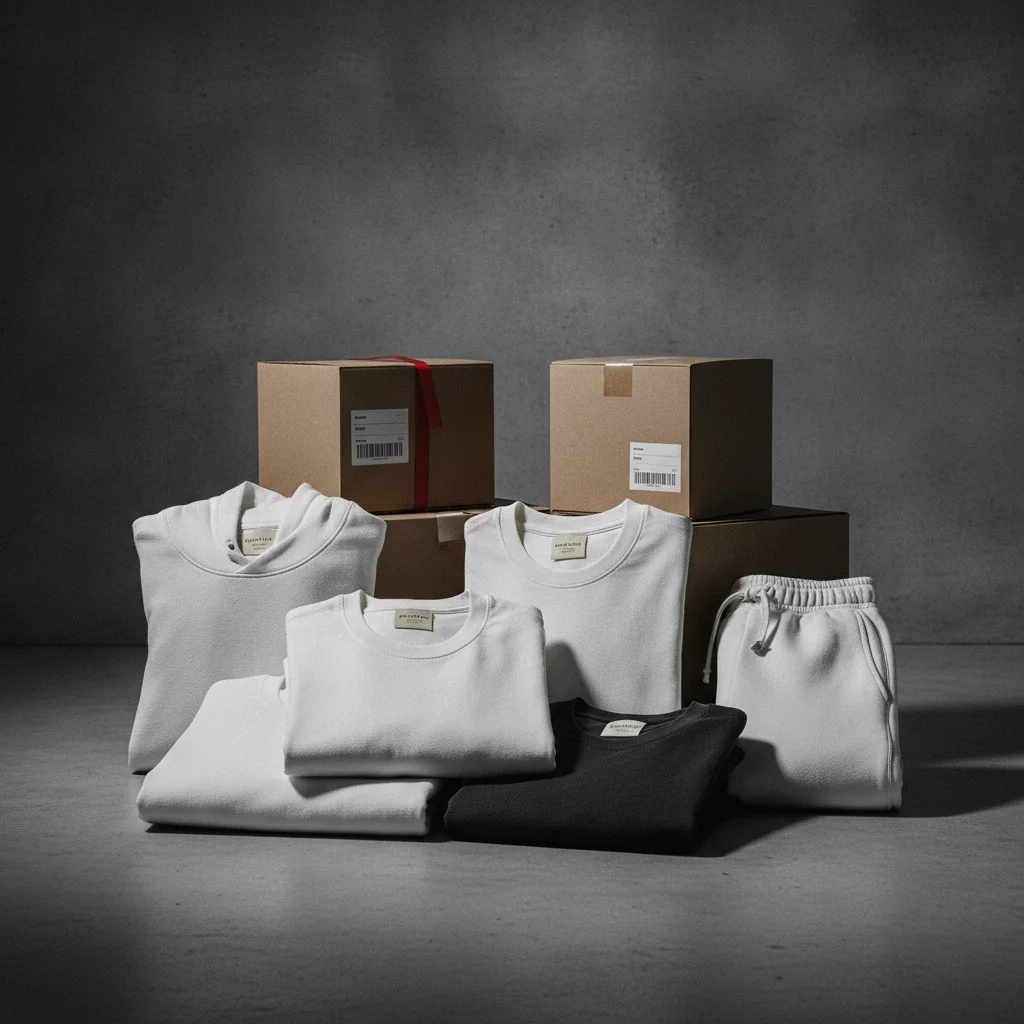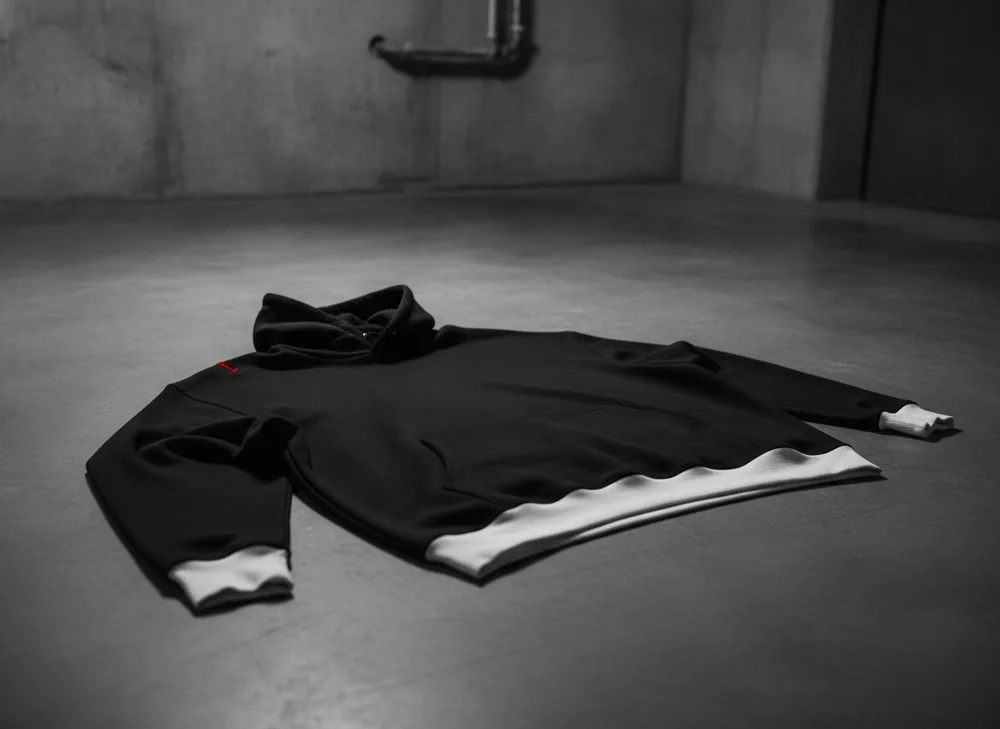
OEM clothing manufacturing is a production model where a factory builds a garment to a brand’s own design and specification, then ships it under the brand’s label rather than the factory’s name – the brand owns the design, the factory owns the production. This is the model behind most independent streetwear labels: a founder designs a hoodie or tee, sends specs to a factory, and receives finished, private-label garments ready to sell under their own brand.
OEM stands for “original equipment manufacturer,” a term borrowed from broader manufacturing industries, and in apparel it specifically means the factory does not design or own the product concept – it executes a brand’s design to their tech pack and fabric specification.
How OEM manufacturing actually works
A brand starts with a design concept – a silhouette, a fabric weight, a decoration method, a fit – and documents it in a tech pack: measurements, materials, trims, and artwork placement. The factory reviews the tech pack, sources or confirms the specified fabric, produces a pre-production sample for approval, and only then cuts the bulk order once the sample matches the brand’s intent.
Throughout this process the factory contributes manufacturing expertise – flagging construction issues, suggesting fabric alternatives, catching sizing problems – but the design direction and brand identity stay entirely with the brand. This is different from buying a pre-made blank and simply adding a logo; OEM production builds the actual garment to a brand’s specific silhouette and construction from scratch.
OEM vs ODM: the key difference
OEM
Brand supplies the design and specification. Factory manufactures exactly to that spec. Brand owns the design IP.
ODM (Original Design Manufacturer)
Factory offers its own existing designs or templates that a brand selects from and customizes lightly (colorway, label).
ODM suits a brand that wants to launch quickly from an existing silhouette library with minimal design work; OEM suits a brand with a specific design vision it wants built from the ground up. Many streetwear brands start with lighter ODM-style customization on early drops, then move toward full OEM as their design language matures. See our detailed breakdown on OEM vs ODM clothing for more on choosing between the two.
Why streetwear brands choose OEM
Streetwear as a category is defined by original silhouettes, fabric choices, and graphics that differentiate one brand from another – a boxy drop-shoulder tee, a specific oversized hoodie proportion, a signature wash. OEM production is the only model that lets a brand actually own and protect that design distinctiveness, since the factory is building to the brand’s exact specification rather than offering a shared template other brands can also access.
Design ownership and protection
Because the brand supplies the tech pack and owns the design under an OEM arrangement, the brand also holds the intellectual property in that specific garment design – fit, construction details, proprietary graphics. A responsible OEM factory does not resell a brand’s exact design to other clients. See how to protect designs with a manufacturer for practical steps brands take to reinforce this.
What OEM includes at a manufacturer like Minku
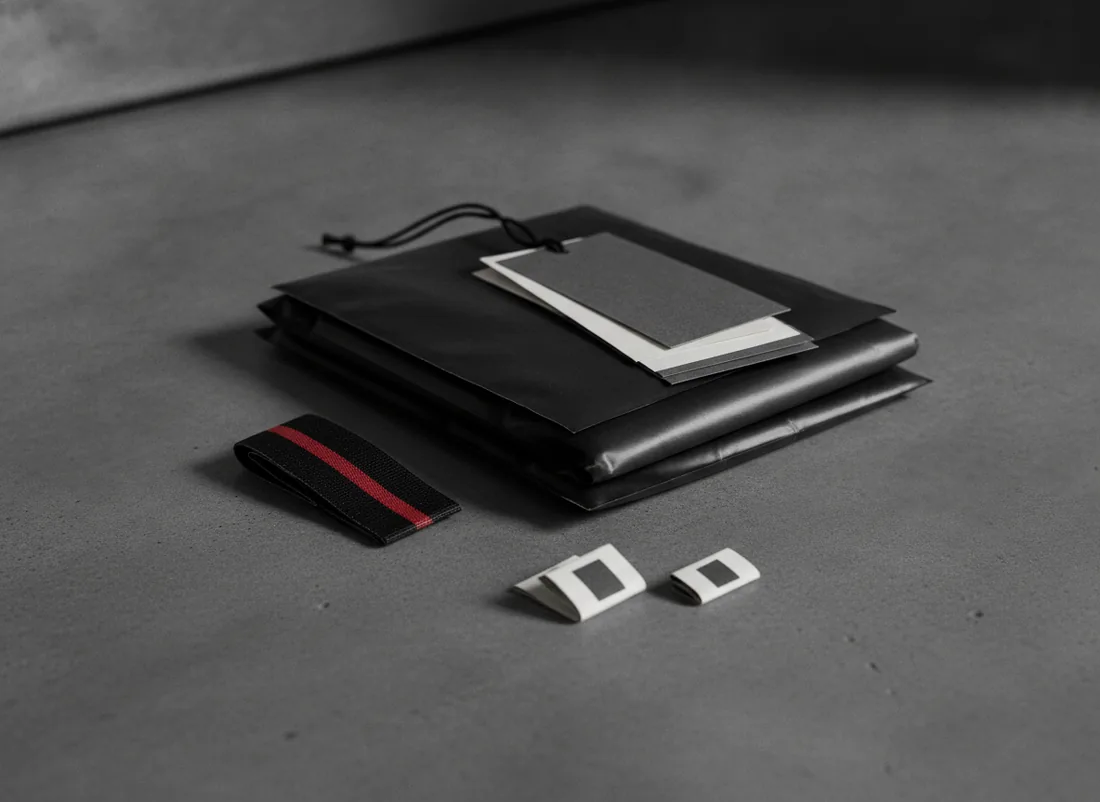
A full OEM relationship covers tech pack review and construction feedback, fabric sourcing within the 240-400+ GSM cotton, French terry, and fleece range, in-house decoration (screen print, DTG, puff and flat embroidery, acid wash, garment dye, tie-dye, all-over print), a pre-production sample for approval, and full private-label finishing – custom neck labels, woven tags, hangtags, and packaging carrying the brand’s own identity, not the factory’s.
None of this requires the brand to have prior manufacturing experience; the factory’s role is to translate a design concept into a produced garment, catching technical issues along the way rather than expecting the brand to already know construction terminology.
OEM and MOQ – how low can a brand start
OEM production does not require the large minimum order quantities associated with older wholesale manufacturing models. Our OEM production runs from 50 pieces per design, which lets a new brand launch a first drop, test market response, and reorder based on actual demand rather than committing to thousands of units on an unproven design.
This lower MOQ threshold is one of the biggest shifts that has made OEM streetwear manufacturing accessible to founder-led brands rather than only established labels with existing retail relationships and larger order volumes.
Full package production vs CMT within OEM
OEM manufacturing typically runs as full-package production, where the factory sources fabric and trims, manufactures, decorates, and finishes the garment end-to-end from a tech pack. A related but narrower model, CMT (cut, make, trim), has the brand supply fabric while the factory only cuts and sews – less common for new brands since it requires the brand to independently manage fabric sourcing. See CMT vs full package production and what is full package production for the detailed comparison.
Sampling as part of the OEM process
Sampling is not optional in a properly run OEM relationship – a pre-production sample is produced from the actual bulk fabric and construction method before cutting begins, so the brand approves fit, fabric hand-feel, and decoration placement on a real garment rather than a rendering or a flat sketch. This step is what catches sizing errors, fabric substitutions, or print placement mistakes before they multiply across 50 or more bulk units.
A factory that skips or rushes sampling to save turnaround days is taking on risk on the brand’s behalf without the brand’s knowledge – a properly run OEM order always includes at least one sample-approval round before bulk cutting.
Communication and revision rounds in OEM production
A tech pack rarely comes back perfect on the first sample – fit adjustments, fabric substitutions, or decoration placement tweaks are a normal part of the process, not a sign something went wrong. A well-run OEM relationship builds one or two revision rounds into the production timeline, with the factory documenting each change against the original spec so nothing gets lost between the first sample and the approved final version.
Brands new to overseas manufacturing sometimes assume the first sample should be final, which sets an unrealistic expectation and creates friction that a clear, upfront revision process avoids. Establishing how many revision rounds are included, and what happens if additional rounds are needed, is worth clarifying before an order begins rather than after a first sample arrives.
Common OEM manufacturing mistakes new brands make
The most frequent mistake new brands make in OEM production is treating the tech pack as optional or approximate – vague measurements, missing trim specifications, or unclear decoration placement all shift risk onto the factory to guess the brand’s intent, which increases the odds of a sample that misses the mark. A second common mistake is skipping the sample-approval step under time pressure, cutting bulk fabric before confirming fit and construction on a real garment.
A third mistake is underestimating how label and packaging lead times run in parallel with garment production – private-label components need their own separate production schedule, and a brand that finalizes label artwork late can end up with finished garments sitting unshipped while custom tags catch up.
OEM production timelines – what to expect
A typical OEM order timeline runs from initial tech pack review and fabric confirmation, through a first pre-production sample (roughly one to two weeks depending on complexity), one revision round if needed, and then bulk cutting and production once the sample is approved. Decoration, private-label finishing, and quality inspection follow before the order ships DDP to the brand’s market.
Brands planning a launch date should build this full sequence into their timeline rather than counting only the bulk production window, since sampling and revision rounds are where an OEM order most commonly gains or loses days relative to the original estimate.
Scaling an OEM relationship past the first order
The real value of an OEM manufacturing relationship shows up on reorders, not the first drop – a factory that retains the approved tech pack, fabric specification, and label files can reproduce a consistent product on the second and third order without repeating the full sampling and revision cycle from scratch. This is what lets a brand scale production volume confidently as demand grows, since reorder consistency depends entirely on how well the original specification was documented and stored.
Brands should ask a prospective OEM manufacturer directly how they handle reorder consistency – whether measurements, fabric lots, and construction details are logged in a way that a reorder six months later matches the original approved sample rather than only approximating it.
How Minku runs OEM production
We manufacture from your tech pack and design specification, sourcing fabric across our 240-400+ GSM cotton, French terry, and fleece range, decorating in-house, sampling before bulk, and finishing with your own neck labels, woven tags, hangtags, and packaging. Every OEM order ships worldwide DDP door-to-door to your brand’s market in the USA, UK, or Europe.
See our private label clothing manufacturer page for more on the branding side of OEM production, or our custom clothing manufacturer hub for the full range of what we build. Have a design ready to spec? Get Your Custom Quote.
What Is OEM Clothing Manufacturing? — In Detail