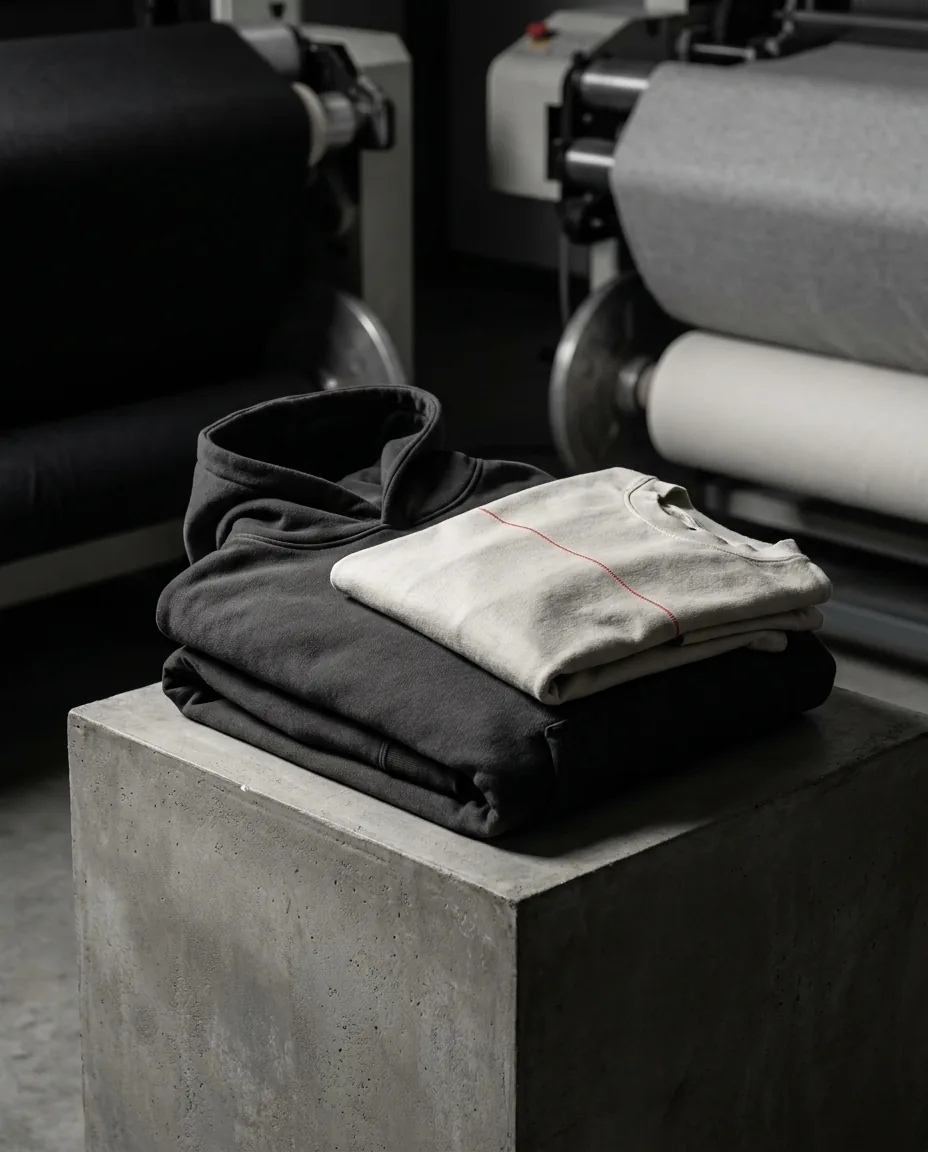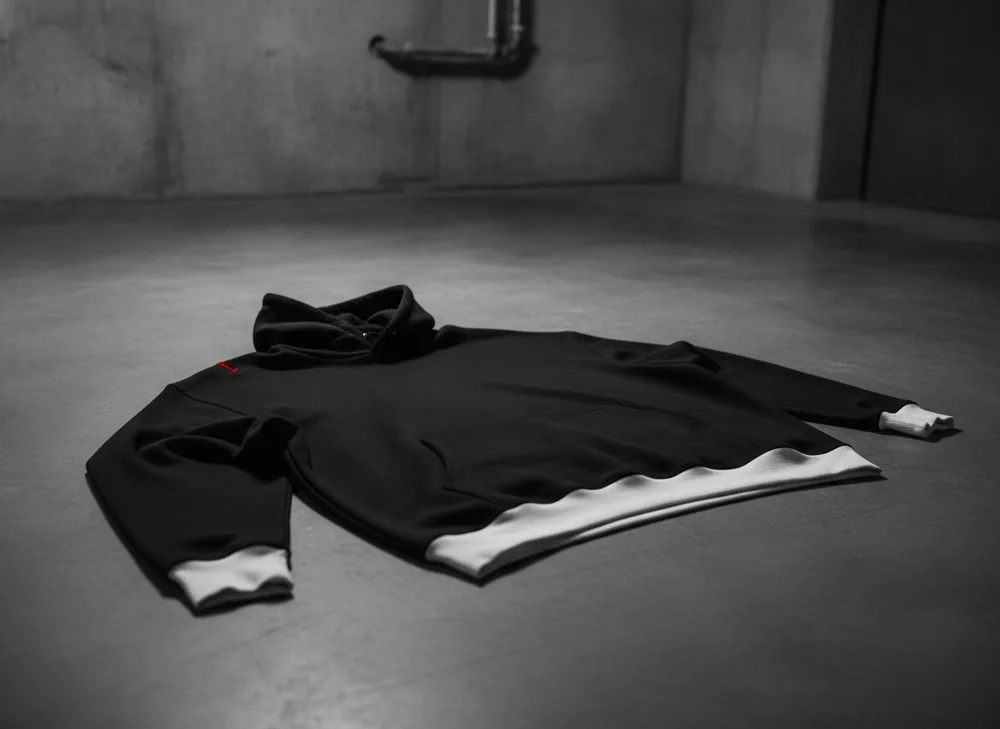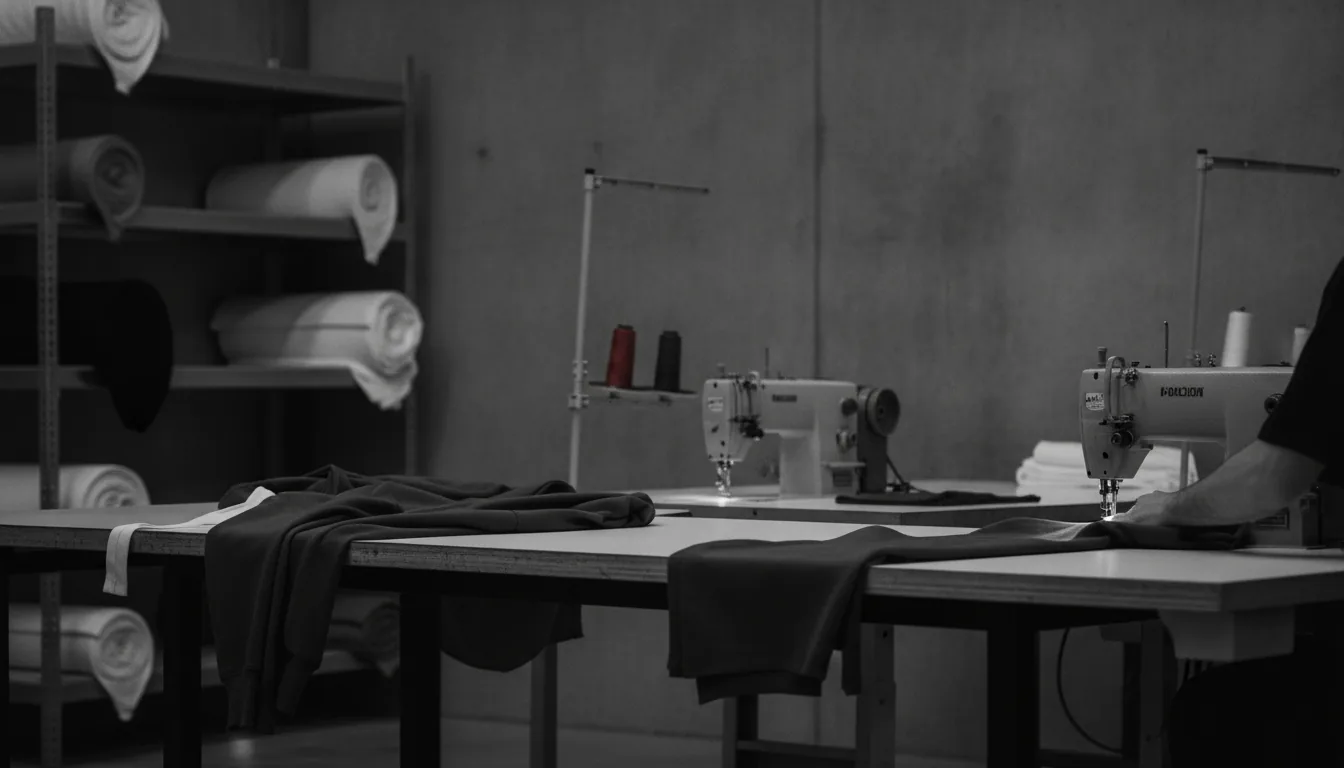
A lab dip is a small swatch of fabric dyed to a specific color formula so a brand can confirm the exact shade before a factory commits to dyeing an entire bulk order. Minku produces lab dips for garment dye, acid wash, and tie-dye orders so a brand approves the precise color on fabric – not on a screen – before we cut and dye a single production unit.
Why Color Confirmation Needs Its Own Step
Color is one of the hardest specs to communicate accurately. A hex code, a Pantone reference, or a photo on a phone screen all render differently depending on the display, the lighting, and the fabric’s own fiber content and weave. Two brands can send the same Pantone number and get visibly different results once it hits cotton versus a cotton-poly blend, because dye behaves differently across fiber types and fabric constructions. A lab dip solves this by testing the actual dye formula on the actual fabric the garment will be made from, so the brand is approving a physical, in-hand color rather than a digital approximation.
Skipping this step is one of the most common reasons a garment-dye or acid-wash order comes back visibly off from what the brand expected – not because the factory made an error, but because color was approved from a screen instead of a swatch.
How the Lab Dip Process Works
Step 1: Color Reference Submitted
The brand provides a target color – a Pantone code, a physical fabric swatch, or a reference garment – along with the specific fabric type the final garment will use (since dye behaves differently on cotton, French terry, or fleece).
Step 2: Dye Formula Mixed and Tested
The factory’s dye team mixes a formula intended to match the reference and applies it to a small swatch – typically a few inches square – of the actual production fabric. This is the “dip” in lab dip: the fabric is dipped into the test dye bath under controlled, measured conditions.
Step 3: Swatch Sent for Approval
The dyed swatch is sent to the brand (physically, or via photo under standard lighting for early rounds) for comparison against the target. If it matches, the formula is locked in for bulk production. If it does not, the factory refines the formula and dyes another swatch – this can take two or three rounds for a precise or unusual shade.
Step 4: Formula Locked for Bulk Dyeing
Once approved, the exact formula, dye time, and temperature used for the lab dip are recorded and scaled up for the full production run, so the bulk-dyed garments match the approved swatch as closely as the dyeing process allows.
Lab Dip vs Pre-Production Sample: Not the Same Thing
These two terms get confused often. A lab dip is specifically about color – a small fabric swatch used only to confirm dye shade. A pre-production sample is a full, wearable garment built to the complete tech pack – fit, construction, decoration, and trims all together – used to approve the entire product, not the color alone. Many garment-dye or acid-wash orders use both: a lab dip to lock the color first, then a full pre-production sample (dyed using the approved formula) to confirm the finished garment overall before bulk cutting.
| Aspect | Lab Dip | Pre-Production Sample |
|---|---|---|
| What it confirms | Color/dye shade only | Full garment: fit, fabric, construction, decoration |
| Form | Small fabric swatch | Complete, wearable garment |
| Used for | Garment dye, acid wash, tie-dye orders | All private label orders |
| Typical timing | Before or alongside sampling | After lab dip approval (if colors involved) |
When a Lab Dip Is Necessary
A lab dip matters most for garment dye, acid wash, and tie-dye orders, where color is the entire point of the technique and even a slight shade shift changes the product’s identity. It matters less for a standard screen-printed t-shirt on a stock-colored blank, since the base fabric color is already a known, consistent quantity rather than a custom dye formula being developed for the order.
How Long a Lab Dip Round Takes
A single lab dip round – mixing the formula, dyeing the swatch, and sending it for review – typically adds a few days to the front of a production timeline. Brands chasing an unusual or highly specific shade (a particular faded wash tone, an uncommon acid-wash contrast level) should expect two to three rounds before landing an exact match, adding roughly a week to ten days to the overall sampling phase. This is time worth spending: catching a color mismatch on a swatch costs a few days, while catching it after a full bulk dye run costs the entire order.
Real Example: Locking a Custom Wash Tone
A brand targeting a specific faded, sun-bleached acid-wash tone for a hoodie drop submitted a reference garment as the color target. The first lab dip came back slightly too gray; the second round, with a refined bleach-and-dye ratio, matched the intended warmer, more yellowed fade. That approved formula was then locked in and scaled to the full 150-piece production run, with the pre-production sample confirming the finished garment matched both the color and the intended distressed texture before bulk cutting began.
What Can Still Vary Between Lab Dip and Bulk Production
Even with an approved lab dip, small natural variation between a tiny swatch and a full-size bulk dye bath is normal in garment dyeing – fabric absorbs dye slightly differently at small versus large scale, and natural fiber dyeing (especially on cotton) always carries some batch-to-batch variation. A reliable manufacturer accounts for this by using consistent dye timing, temperature, and formula records from the lab dip stage, keeping variation to a controlled, expected range rather than eliminating it entirely – true color-matched consistency across each single unit is not realistic with genuine garment dyeing, and any factory promising zero variation is overpromising.
Lab Dips Across a Multi-Color Collection
Brands launching a drop with several colorways – say, four acid-wash tones across the same hoodie style – typically run a separate lab dip for each shade rather than assuming one approved formula will translate across colors. Warmer tones and cooler tones absorb dye differently even on the identical base fabric, so each colorway earns its own swatch round. Building this into the production calendar up front avoids a late surprise where three of four colors are approved and the fourth needs an extra week of refinement.
Lab Dips and Fabric Type: Why the Base Cloth Matters
The same dye formula produces a noticeably different result on 240 GSM cotton jersey versus 360 GSM cotton fleece, because the denser weave and heavier fiber content of the fleece absorb and reflect dye differently than a lighter, tighter knit. This is why a lab dip is always run on the exact fabric and GSM the final garment will use, not a generic swatch from a different weight or fiber blend. A brand switching a design from a t-shirt weight to a heavyweight hoodie mid-development should expect to redo the lab dip on the new fabric rather than assume the earlier approval carries over.
Digital Color Tools and Their Limits
Digital color-matching tools and spectrophotometers have improved the first-round accuracy of lab dips, letting a factory measure a swatch’s color values numerically against a target rather than relying purely on the eye. These tools speed up the process and reduce the number of rounds needed, but they do not eliminate the physical swatch stage entirely – textile dye still behaves differently across lighting conditions and fabric texture in ways a screen-based color value cannot fully capture. A brand should treat digital pre-checks as a helpful filter before the physical lab dip, not a replacement for approving the fabric in hand.
How Minku Runs Lab Dips
For each garment dye, acid wash, or tie-dye order, Minku develops a lab dip against the brand’s color reference before touching bulk fabric, refines the formula until the swatch is approved, then locks the exact formula and process parameters for the production run. This runs alongside our standard tech pack and pre-production sample process, so color and construction are both confirmed before a single bulk garment is cut.
Building a color-driven garment dye or acid-wash drop? Get Your Custom Quote and send us your target shade to start the lab dip process.
See how this fits into acid wash and garment dye production at acid wash and garment dye manufacturer, or explore the full process at custom clothing manufacturer.
What Is a Lab Dip in Clothing Manufacturing? — In Detail