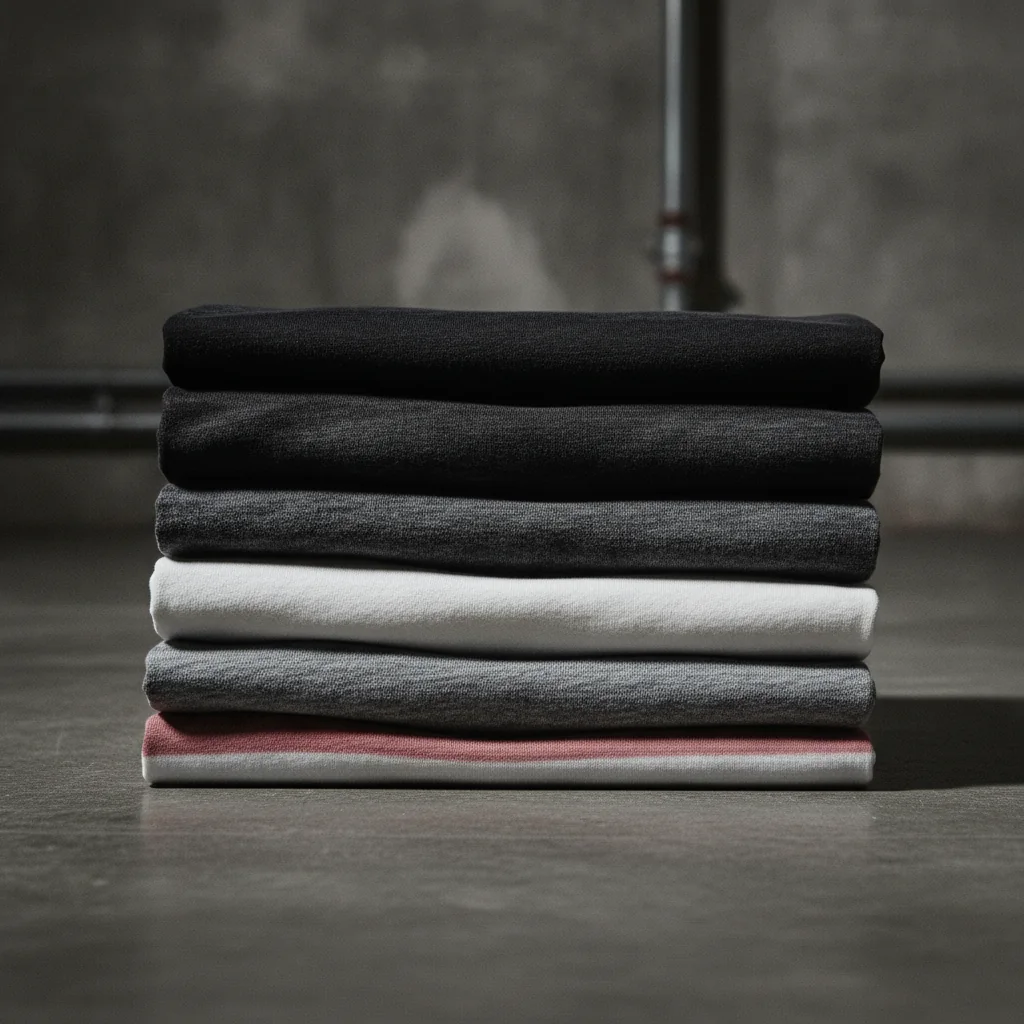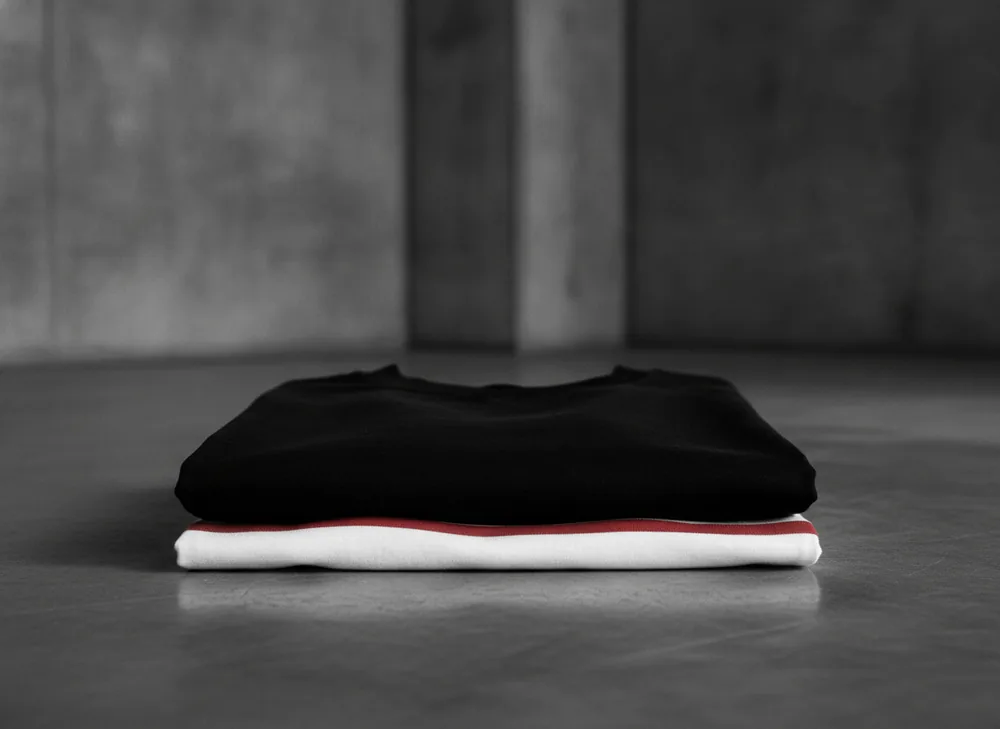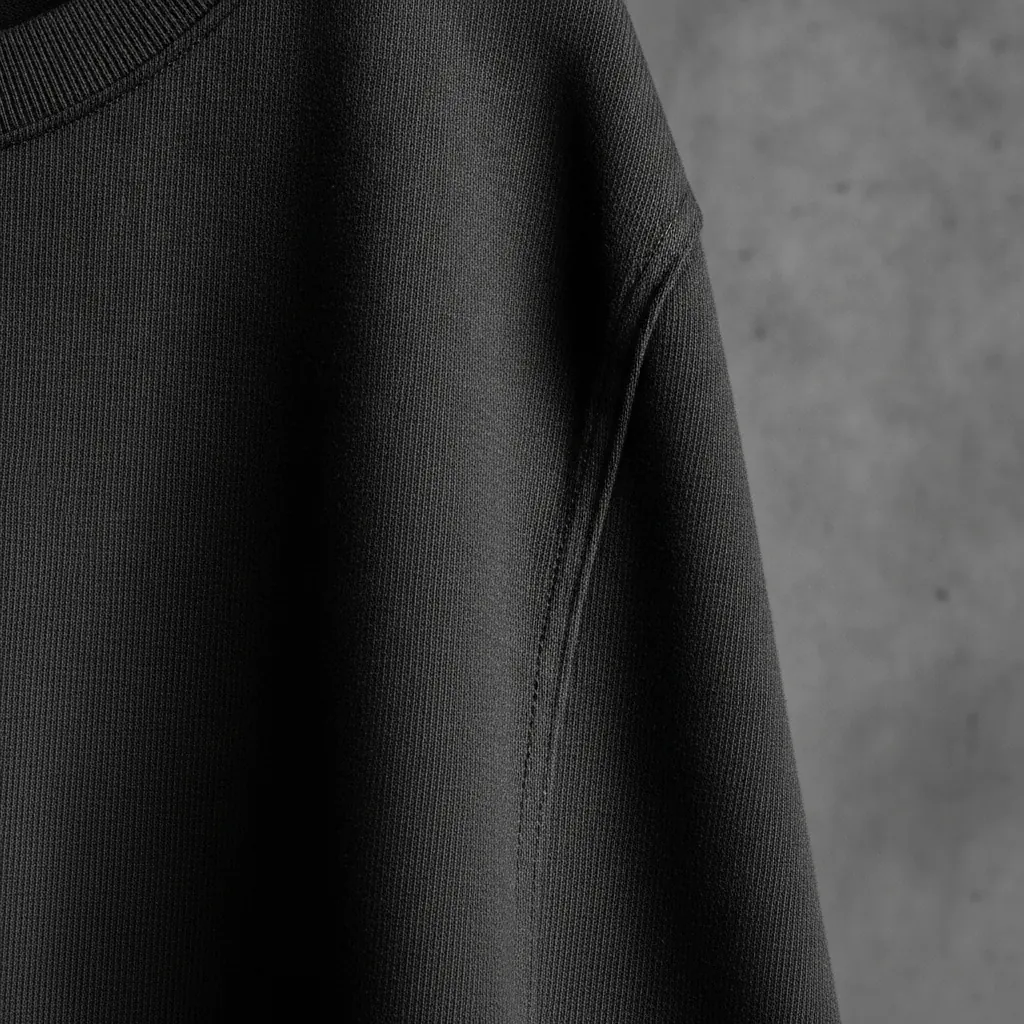
Acid wash and garment dye are finishing processes that give clothing brands the lived-in, vintage, tonal character that flat-dyed blanks cannot deliver – acid wash creates a mottled, faded surface, while garment dye soaks color into a finished piece for rich depth and a soft, broken-in hand. Minku Apparel produces both in-house from 50 pieces per design, on heavyweight 240-400+ GSM cotton, fleece and terry, with full private-label finishing and a sample approved before we run bulk.
This page explains what acid wash and garment dye are, how each process works, how to keep color consistent across a run, and how our Pakistan factory ships finished orders DDP to your door in the USA, UK and Europe. If you have a wash reference in mind, get your custom quote and we will match the finish.
What Acid Wash and Garment Dye Are
Acid wash, sometimes called mineral or snow wash, is a treatment that abrades a garment with a wash process to lift color unevenly and create a faded, mottled, vintage surface. No two acid-washed pieces are identical, which is exactly the appeal – each garment carries a unique, worn character that reads as heritage streetwear.
Garment dye is the opposite discipline of control. Instead of dyeing yarn or fabric before construction, the finished garment is dyed as a whole, so color penetrates seams, stitching and panels together. The result is a rich, tonal depth and a soft, broken-in hand, often with subtle character around seams that flat-dyed blanks lack.
Both finishes are applied to garments we cut and sew ourselves, so fabric, construction and finishing are controlled in one factory. That control is what lets us dial a wash to your reference and hold it across a production run and future reorders.
How Acid Wash Works
Acid wash is a controlled abrasion and color-lifting process performed in industrial wash machines. The garment is tumbled with a treatment that strips pigment unevenly across the surface, producing the signature cloudy, faded contrast. The intensity is tuned by the treatment strength, tumble time and load, so we can push a light vintage haze or a heavy, high-contrast blowout.
Because acid wash is inherently variable, sampling is essential. We produce a wash sample against your reference so you approve the level of fade, contrast and hand before bulk. We then hold the same recipe and process parameters across the run to keep the character within a controlled range.
Acid wash works beautifully on heavyweight cotton fleece and jersey, where the fabric has enough body and pigment to show the wash. The finish gives a plain hoodie or tee instant age and a premium, collected-over-time look that a fresh blank cannot fake.
How Garment Dye Works
Garment dye takes finished pieces and immerses them in a dye bath so color saturates the whole garment at once. There are two common routes. Reactive dyeing chemically bonds dye to cotton fibres for deep, wash-fast color. Pigment dyeing deposits pigment on the surface for a softer, faded tonal look that keeps evolving with wear.
Pigment dye and overdye are the routes behind the muted, washed, earthy palettes central to modern streetwear. Because color is added after construction, seams and stitching take dye differently from the body, giving a subtle, characterful finish. Reactive dye, by contrast, delivers cleaner, more saturated, more colorfast results.
Dye-lot consistency is the technical challenge, and it is where an experienced factory earns its keep. We control bath temperature, timing and recipe, sample against your target, and manage dye lots so color stays within a tight tolerance across the order. You approve the dyed sample before bulk runs, and that approved piece becomes the reference every production garment is measured against.
Comparing Wash and Dye Finishes
Each finish creates a different character. The table below shows how they compare so you can match the look to your brand.
| Finish | Look | Consistency | Best for |
|---|---|---|---|
| Acid wash | Mottled, faded, high contrast | Intentionally varied | Vintage streetwear |
| Pigment dye | Soft, muted, evolving tone | Controlled variation | Washed earthy palettes |
| Reactive dye | Deep, saturated, clean | Tight and colorfast | Bold solid colors |
| Overdye | Tonal depth over base | Controlled | Layered vintage look |
We produce every route in-house and help you choose based on your reference and fabric. For the garments these finishes are built on, see our cut and sew capability page.
When to Use These Finishes
Reach for acid wash when you want authentic, worn character and are comfortable with intentional variation piece to piece. It suits vintage-leaning drops, heavyweight hoodies and tees where a lived-in surface is the point. It is a finish that signals a brand with a considered aesthetic rather than a plain catalogue blank. Because each garment carries its own character, acid wash also protects a drop from feeling mass-produced, which is a genuine advantage when your customers value individuality over uniformity.
Reach for garment dye when you want tonal depth, a soft broken-in hand, or a specific washed palette that stock blank colors cannot hit. Pigment dye delivers muted, evolving tones, while reactive dye gives clean, colorfast solids. Garment dye also lets a brand own a signature color across a full range.
Where these finishes are not the right call is when you need exact, identical color with zero variation on a large run – a pre-dyed fabric may serve better. Part of our role is setting expectations honestly, so your finished garments match the character you approved in sampling.
Fabric Fit and Combining With Decoration
Heavyweight cotton is the natural home for both finishes. Our 240-400+ GSM cotton fleece, terry and jersey have the body and fibre content to take a wash or dye with depth and durability. Cotton-rich blends dye and wash predictably, while high-synthetic fabrics behave differently and are matched to the right process during sampling.
Sequencing matters when you combine finishing with decoration. Often the garment is washed or dyed first and then printed or embroidered, so the decoration sits crisp over the finished surface. In other cases we print then wash to age the graphic along with the garment for a fully vintage effect. We plan the sequence during sampling.
Because every decoration method – screen print, DTG, embroidery, puff, patches – is a station inside our factory, we control the order of operations end to end. That keeps the garment in one building and removes the color-drift and timing risk of splitting wash, dye and decoration across separate vendors.
MOQ, Cost and Turnaround
Our minimum for washed and dyed programs is around 50 pieces per design. Cost is driven by the process, the number of dye colors and whether finishing combines with decoration, rather than a simple per-print count. Garment dye in a signature color across a range spreads setup efficiently as quantities climb.
On value, we compete on the accuracy of the finish, dye-lot control and the weight and hand of the garment, never on being the lowest number. We ship worldwide DDP door-to-door, so duties and freight are handled and your order clears customs without an import broker. Turnaround runs efficiently once your wash or dye sample is approved.
For price drivers across every process, see our custom clothing manufacturing hub, then send your reference to lock a quote.
How Minku Runs Wash and Dye In-House
Cutting, sewing, washing, dyeing, decoration, QC and private-label finishing all happen under one roof at our certified Pakistan factory. That vertical control is why our wash character and dye color stay within tolerance across reorders, and why we can promise a sample that matches bulk. Reach us on WhatsApp at +923404001486 or email hello@minkuapparel.com to start.
You send a reference and tech pack; we produce a wash or dye sample, refine the level and color, and hold the approved sample as the production standard. Explore heavyweight blanks on our custom hoodie page, then get your custom quote with your finish and quantity, and we will confirm fabric, process and DDP delivery to your market.
Acid Wash and Garment Dye for Clothing Brands | Minku Apparel — In Detail