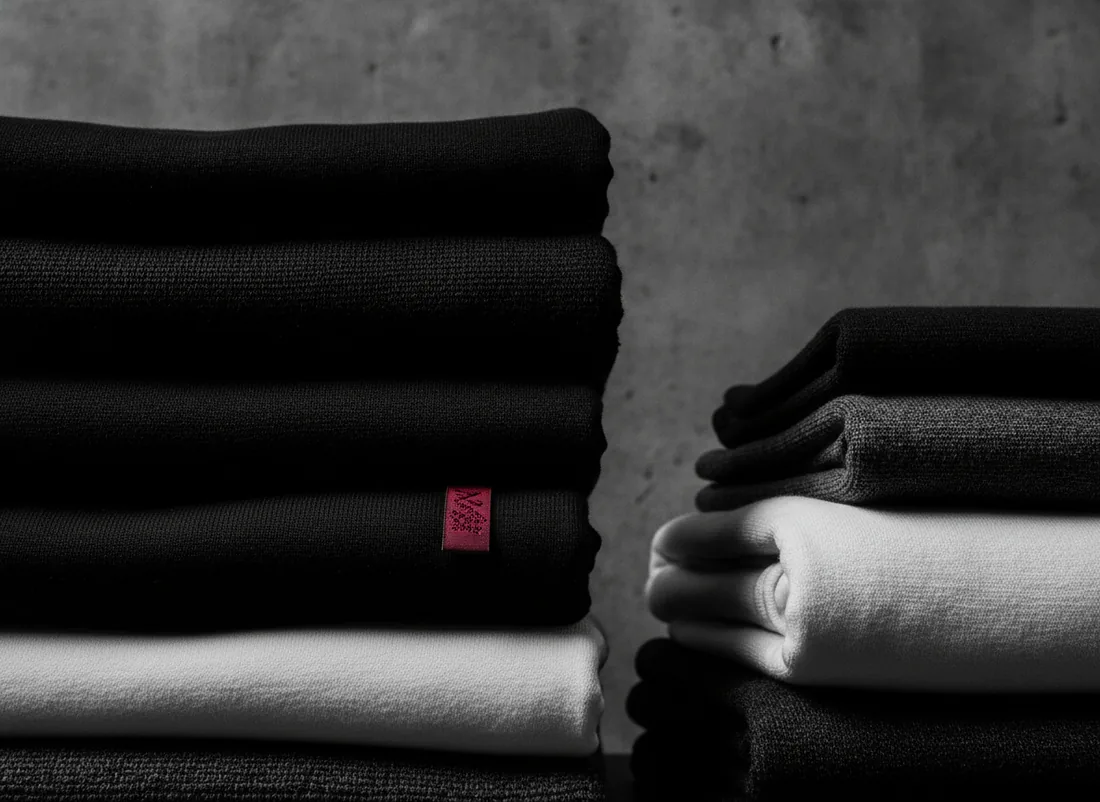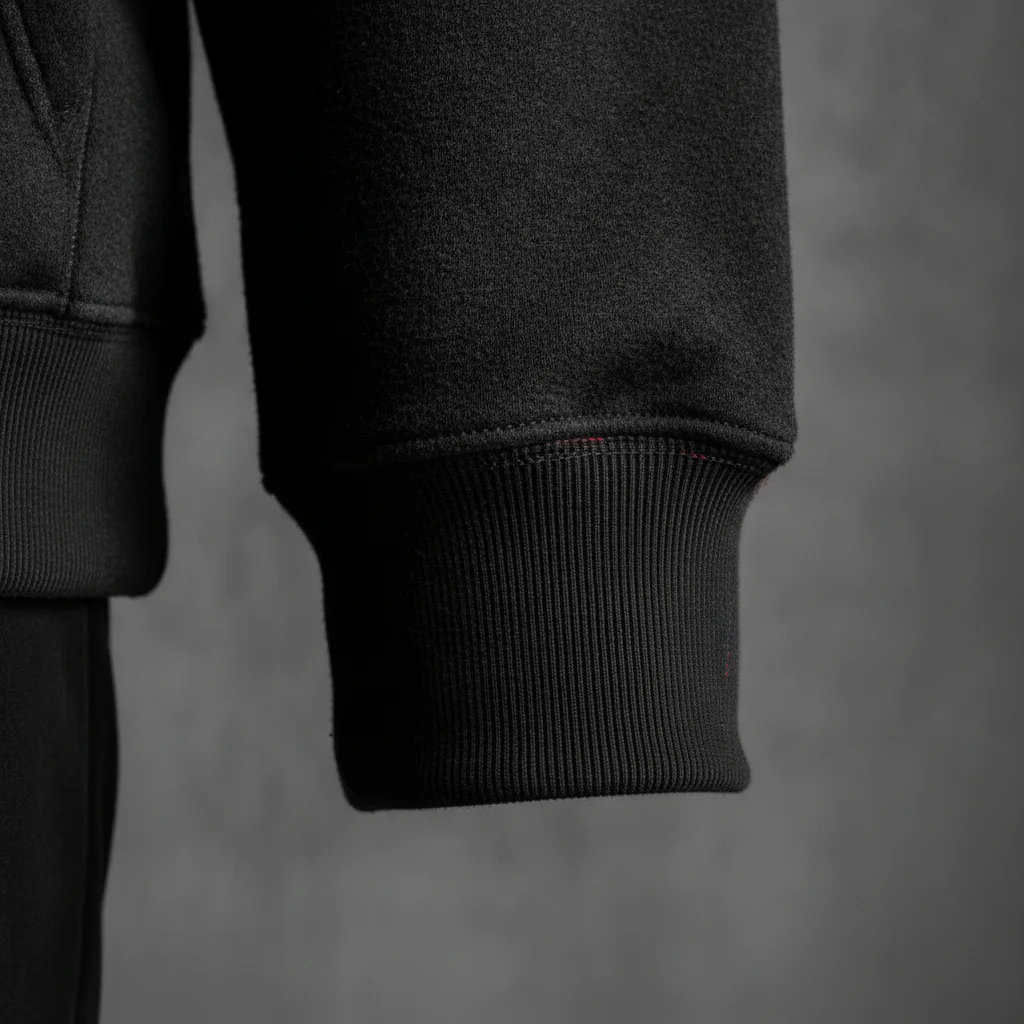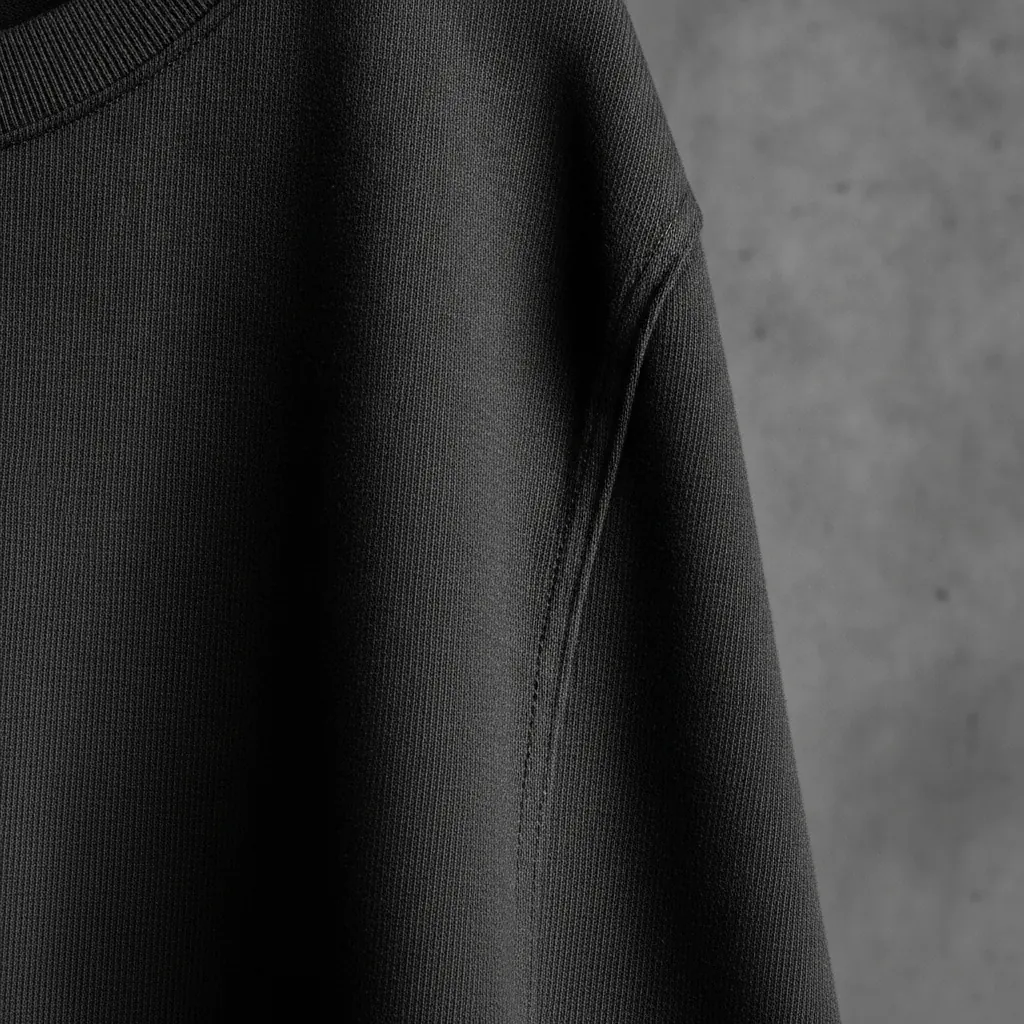
GSM stands for grams per square meter – it measures fabric weight by weighing one square meter of the material, and it is the single most useful number for predicting how a garment will feel, drape, and hold up before it is ever cut. Minku manufactures across a 240-400+ GSM range on cotton, French terry, and fleece, because different GSM bands serve entirely different streetwear silhouettes and seasons.
Where the Number Comes From
To measure GSM, a lab cuts a precise one-square-meter swatch of fabric and weighs it in grams. A lighter, thinner cotton jersey might weigh 140 grams per square meter; a heavyweight fleece for an oversized hoodie might weigh 400 grams or more for the same area. The number has nothing to do with the size of the finished garment – it is purely a density measurement of the fabric itself, which makes it comparable across any supplier, any country, any fabric type.
This is why GSM shows up on each serious tech pack and each manufacturer’s spec sheet. It is a universal, verifiable unit – unlike vague descriptions such as heavyweight or premium, which mean different things to different factories.
Why GSM Matters More Than It First Appears
GSM drives four things a brand actually cares about: hand-feel (how substantial the fabric feels when picked up), drape (how it hangs on the body), durability (resistance to pilling, thinning, and wash wear), and cost (heavier fabric uses more raw material per garment). A brand that specifies GSM in its tech pack removes ambiguity from all conversations with a manufacturer – 300 GSM French terry is a precise, testable spec, while good quality fleece is not.
GSM Ranges and What They Feel Like
Lightweight: Under 180 GSM
Thin, breathable, drapes close to the body. Common for warm-climate basics and layering pieces, but rarely used in premium streetwear because it reads as thin in the hand and shows wear faster under repeated washing.
Mid-weight: 180-240 GSM
The standard range for a well-made day-to-day t-shirt. Enough structure to hold a print or embroidery cleanly, enough breathability for year-round wear. This is the entry point into what most streetwear brands consider a real garment rather than a blank.
Heavyweight: 240-320 GSM
The range where streetwear starts to feel premium in hand. A 260-300 GSM t-shirt has visible structure, holds an oversized or boxy cut without collapsing, and reads as a considered garment rather than a blank. This is Minku’s core range for premium custom t-shirts and lighter hoodies.
Ultra-heavyweight: 320-400+ GSM
Reserved for hoodies, sweatshirts, and fleece pieces built for structure and warmth. At this weight, French terry and fleece hold a boxy or oversized silhouette on their own, resist pilling far longer than lighter fabric, and deliver the substantial, worth-the-price feel that premium streetwear customers expect when they pick up a hoodie.
| GSM Range | Feel | Typical Use |
|---|---|---|
| Under 180 | Thin, light, drapes close to body | Basic layering tees, warm-climate basics |
| 180-240 | Standard structure, breathable | Day-to-day premium t-shirts |
| 240-320 | Substantial, holds oversized cuts | Premium t-shirts, lightweight hoodies |
| 320-400+ | Heavy, structured, warm | Hoodies, sweatshirts, fleece sweatsuits |
GSM and Fabric Type Are Different Variables
GSM measures weight; it does not describe fiber content or knit structure. A 300 GSM French terry and a 300 GSM plain jersey cotton weigh the same per square meter but feel completely different in hand, because French terry has looped backing that adds bulk and softness while jersey is a flat, tighter knit. When specifying a garment, a tech pack should state both the GSM and the fabric type – 320 GSM cotton fleece, not 320 GSM alone – because the number by itself does not fully describe the material.
How GSM Is Tested and Verified
A reliable manufacturer tests GSM with a round fabric cutter that removes a precise, standardized area of material, weighs it on a calibrated scale, and converts the reading to grams per square meter. This test can be repeated on any roll of fabric arriving at the factory to confirm it matches the GSM promised in the tech pack, rather than relying on the fabric mill’s own label. Brands sourcing fabric through a manufacturer that skips this verification step risk a hoodie or t-shirt that quietly ships lighter than what was specified and approved in sampling.
How GSM Affects Cost
Heavier fabric uses more raw cotton per square meter, so a 400 GSM fleece costs more to produce than a 220 GSM jersey of the same size, all else equal. This is a real cost driver, not a markup – a brand paying for higher GSM is paying for more material, and that material is what delivers the substantial feel and longer wear life buyers associate with premium streetwear. Choosing GSM is a genuine design decision, not a spec box to fill in: it should match the silhouette, season, and price point the brand is targeting.
How to Choose the Right GSM for Your Design
Start with the silhouette. An oversized or boxy fit needs enough GSM to hold its shape without collapsing – generally 260 GSM minimum for t-shirts, 320 GSM minimum for hoodies aiming for a structured drop-shoulder look. Consider the climate of the primary market: brands selling into colder regions (Chicago, Boston, Toronto, Stockholm) often lean toward the top of the heavyweight range for warmth, while brands in warmer markets (Miami, Houston, Sydney summer) may sit in the mid-to-heavyweight range for t-shirts and lighter hoodies.
Common GSM Mistakes Brands Make
The most frequent mistake is specifying a GSM without specifying the fabric type, leading to a sample that technically matches the number but feels wrong in hand. The second most common mistake is under-speccing GSM on a design meant to look premium – a 180 GSM oversized hoodie will not hold its shape and will read as thin no matter how good the print looks. The third is assuming GSM is comparable across knit and woven fabrics without accounting for structural differences, which is why a tech pack should always specify both weight and fabric construction.
How GSM Interacts With Decoration Methods
Fabric weight also changes how decoration performs. A screen print on a lighter, under-200 GSM tee can show through to the reverse side or cause the fabric to pucker around the print area, while the same design on 260+ GSM cotton lays flatter and holds its shape after curing. Puff embroidery and heavy stitch counts also need enough base fabric weight to support the raised texture without distorting the garment – another reason Minku recommends a minimum GSM alongside any decoration-heavy design.
GSM Across Product Types: A Broader Reference
Beyond t-shirts and hoodies, GSM guides sourcing decisions across the wider product range. Sweatshirts and crewnecks typically sit in the 300-380 GSM band, close to hoodies but sometimes slightly lighter without a hood and drawstring adding bulk. Tracksuit bottoms and matching sweatsuit sets often run 260-340 GSM to balance structure with ease of movement. Shorts, whether sweat shorts or mesh athletic styles, generally use lighter 180-260 GSM fabric so the garment stays breathable during activity. Jackets vary the most, since a bomber or coach jacket shell fabric is measured differently from its lining and any inner quilted layer, making GSM one part of a larger spec rather than the whole picture for outerwear.
How Minku Uses GSM in Each Tech Pack
All Minku production runs start with a GSM and fabric-type specification confirmed in the tech pack, then verified against a physical pre-production sample before bulk cutting. A brand can request a specific GSM within our 240-400+ range, or describe the intended feel and silhouette and let us recommend the right weight and fabric combination for the design.
Ready to lock in the right fabric weight for your line? Get Your Custom Quote and tell us the silhouette you’re building toward.
See our full GSM guidance for hoodies at what GSM is best for hoodies, or explore heavyweight t-shirt manufacturing at custom heavyweight t-shirt manufacturer and the full custom clothing manufacturer hub.
What GSM Means and Why It Matters for Apparel — In Detail