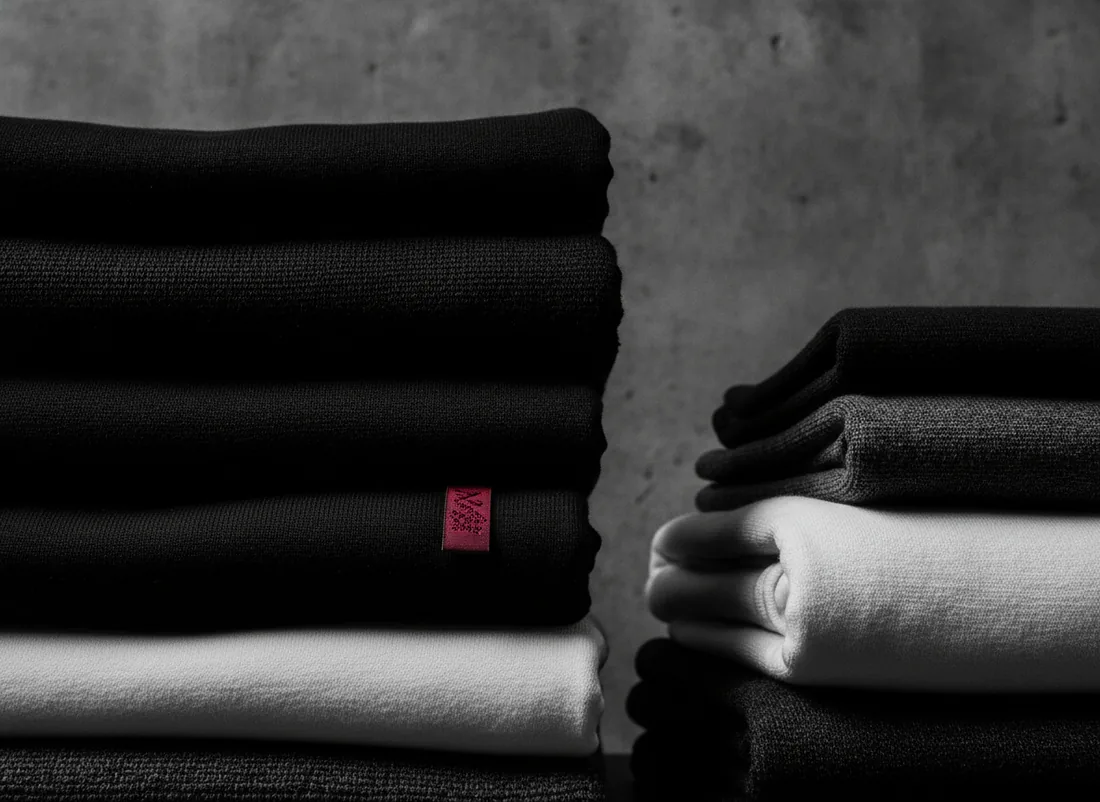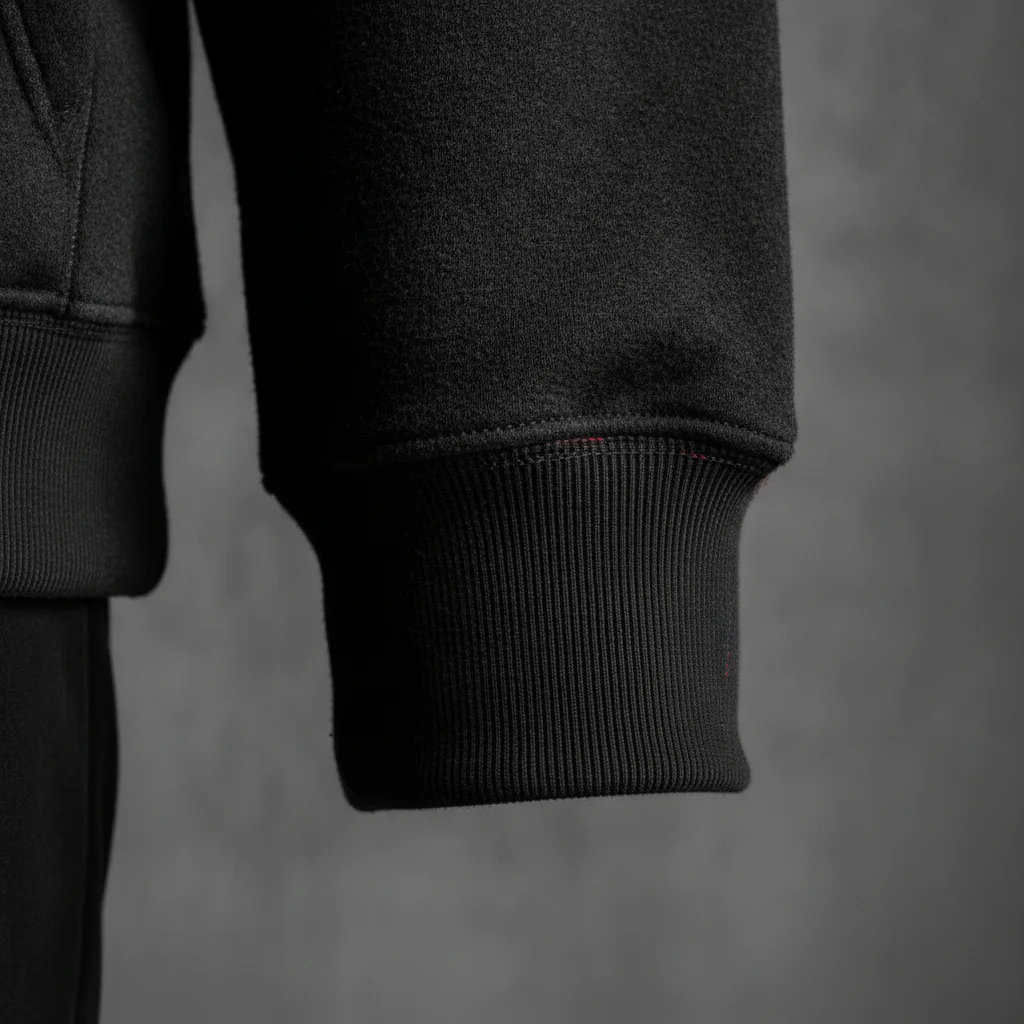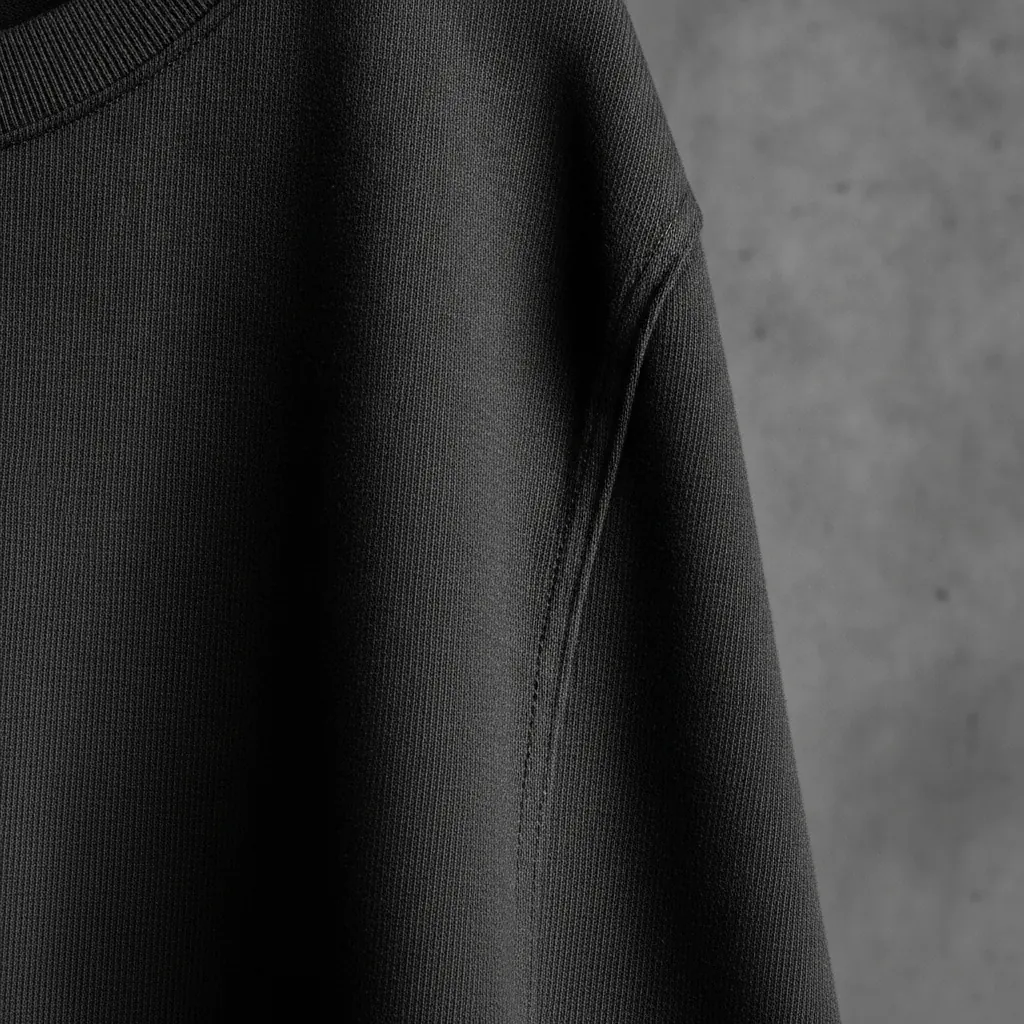
Organic cotton is virgin cotton grown without synthetic pesticides or fertilizers, while recycled cotton is fiber reclaimed from textile waste and respun into new yarn. Organic delivers the soft, long-staple hand of standard premium cotton with a cleaner growing footprint; recycled delivers a genuine second-life material story but usually needs blending with virgin fiber to hold strength, since reclaiming shortens the cotton fiber in the process.
At Minku Apparel we source both organic and recycled cotton blends for custom tees, hoodies, and sweatsuits, from 50 pieces per design, in 240-400+ GSM weights, with full private label and a pre-production sample before bulk.
The short verdict
If the priority is a premium, soft-hand garment with a straightforward sustainability story about how the raw fiber was farmed, organic cotton is the more predictable choice, since it behaves in spinning, dyeing, and finishing much like standard combed cotton. If the priority is a circularity story, turning textile waste back into new garments, recycled cotton fits that narrative directly, provided the brand accounts for the blend ratio needed to keep the fabric durable.
Neither is automatically the better choice for each brand; the decision depends on what story the brand is telling its customers and how much the fabric hand and durability trade-off matters for that specific product. Both sit inside our broader organic cotton t-shirt manufacturing service.
What organic cotton is
Organic cotton is grown from non-genetically-modified seed, without synthetic pesticides, herbicides, or fertilizers, under farming standards that also typically restrict water use and soil treatment practices. Because the fiber itself is virgin, freshly grown cotton rather than reclaimed material, it spins into long, intact staple fibers the same way standard cotton does, which is what gives organic cotton fabric its familiar soft, smooth hand.
From a manufacturing standpoint, organic cotton behaves almost identically to conventional combed cotton in cutting, sewing, dyeing, and printing, since the fiber structure itself is unchanged, only the farming method differs. This predictability is part of why organic cotton is a straightforward swap into an existing tee or hoodie program without changing fit, weight, or finish.
What recycled cotton is
Recycled cotton, sometimes labeled regenerated cotton, is fiber reclaimed from either pre-consumer waste, offcuts and scraps from garment factories, or post-consumer waste, old garments mechanically shredded back into raw fiber. That mechanical shredding process is the key difference from organic cotton: it physically shortens and roughens the cotton fibers compared to virgin fiber, since tearing fabric apart back into loose fiber damages the long staple length that gives cotton its strength and softness.
Because shortened fiber spins into a weaker, less uniform yarn on its own, recycled cotton is almost always blended with virgin cotton or a synthetic fiber like polyester to restore enough tensile strength for garment production. A fabric labeled recycled cotton is rarely 100 percent reclaimed fiber; it is more commonly a blend, often in the 20 to 50 percent recycled range, with the remainder virgin fiber.
Organic vs recycled cotton side by side
Organic Cotton
Virgin fiber, grown without synthetic inputs. Long, intact staple length. Soft, familiar premium hand. Behaves like standard combed cotton in production. Sustainability story: clean farming.
Recycled Cotton
Reclaimed fiber from textile waste. Shortened, roughened staple length. Needs blending with virgin fiber for strength. Slightly coarser hand at higher recycled content. Sustainability story: circularity and waste reduction.
Feel, durability, and performance compared
| Factor | Organic cotton | Recycled cotton |
|---|---|---|
| Fiber source | Virgin, freshly grown | Reclaimed textile waste |
| Staple length | Long, intact | Shortened by mechanical processing |
| Hand feel | Soft, smooth | Slightly coarser at higher blend ratios |
| Strength | Standard cotton strength | Needs virgin fiber blend to match |
| Typical form sold | Near 100 percent cotton | Usually a 20-50 percent recycled blend |
| Sustainability angle | Farming method and water use | Waste diversion and circularity |
Cost and availability factors
Organic cotton typically costs more than conventional cotton because certified organic farming yields less cotton per acre and carries certification and traceability overhead through the supply chain. Recycled cotton’s cost depends heavily on the blend ratio and the consistency of the waste stream it is sourced from; a well-managed pre-consumer waste stream, offcuts from garment production, tends to be more consistent in quality than a post-consumer stream of mixed old garments.
Availability also differs. Organic cotton is sourced through certified farms and mills with established supply chains, generally reliable at the GSM weights and colors a brand needs. Recycled cotton availability can vary more by season and region, since it depends on the volume and consistency of textile waste being collected and processed at any given time.
Decoration compatibility
Both organic and recycled cotton take screen print, DTG, embroidery, and garment dye similarly to conventional cotton fabric, since decoration methods respond primarily to fiber content and weave or knit structure rather than to whether the fiber was grown fresh or reclaimed. Where recycled cotton blends in polyester to restore strength, DTG performance can shift slightly since DTG ink is formulated for cotton absorption, so confirming the blend ratio before committing to DTG on a recycled fabric is worth doing at the sampling stage.
Which fits a streetwear brand’s story
A brand building a premium basics line around fabric feel, an oversized tee meant to be worn for its soft hand and drape, is usually better served by organic cotton, since it delivers that familiar premium feel without a durability trade-off. A brand building its identity around sustainability messaging and a circular story, explicitly telling customers their garment diverted textile waste, is better served leaning into recycled cotton, provided the brand is transparent about the actual blend percentage rather than implying a fully reclaimed fabric.
Some brands run both: an organic cotton core lineup alongside a limited recycled-cotton capsule positioned explicitly around its waste-diversion story, letting each fabric serve the narrative it is genuinely suited to instead of forcing one material to carry the whole story.
Real example
A brand launching a 300 GSM heavyweight tee focused purely on hand-feel and drape chose 100 percent organic cotton jersey, prioritizing the soft, premium touch over any blended-fiber story. A separate brand building a limited capsule drop specifically marketed around textile waste reduction chose a 30 percent recycled, 70 percent organic cotton blend at 220 GSM, accepting a marginally firmer hand in exchange for a genuine, verifiable circularity claim on the hangtag.
Certification and traceability
Organic cotton claims are backed by farm-level and supply-chain certification standards that track the fiber from field to finished fabric, which is what lets a brand state an organic cotton claim on a hangtag with a paper trail behind it. Buying uncertified cotton labeled organic without that traceability is a common way brands end up with a claim they cannot substantiate if a retailer or customer asks for proof.
Recycled cotton claims rely on a different kind of traceability, documentation of the waste stream source and the recycled content percentage in the finished yarn or fabric. A brand making a recycled-content claim should be able to state the actual percentage, not round up to make the story sound stronger than the blend supports, since overstating recycled content is one of the more common sustainability claims that draws scrutiny. Working with a manufacturer that can confirm the source and percentage of recycled fiber at the sampling stage gives a brand a defensible number to print, rather than an estimate that cannot be backed up if questioned later.
Washing, care, and longevity
Organic cotton garments wash and wear the same as conventional cotton of the same GSM and construction, since the fiber itself is unchanged, so care instructions and expected garment lifespan follow standard cotton guidance. Recycled cotton blends, particularly at higher recycled percentages, can show slightly more pilling over repeated washes than a comparable virgin cotton garment, since the shortened fiber ends are more prone to working loose on the fabric surface.
This is a genuine trade-off worth setting expectations around with customers on a recycled-content product, a garment can carry a real sustainability story and still benefit from a small note on expected fabric behavior over time, rather than presenting it as identical in all respects to a virgin-fiber piece.
How Minku sources both
We source organic cotton and recycled cotton blends for custom tees, hoodies, and sweatsuits from 240-400+ GSM, and we confirm the actual blend ratio on any recycled-content fabric before it goes into a pre-production sample, so a brand’s sustainability claim on its hangtag matches what is actually in the garment. Private label neck tags, woven labels, hangtags, and packaging apply the same way across both fabric choices.
Both fabric families run through the same cutting, sewing, and finishing floor as our standard cotton programs, so switching between an organic core line and a recycled-content capsule does not mean switching factories or production timelines. Tell us the fabric story you want to tell and the GSM you are targeting and we will confirm sourcing and lead time. See how to manufacture sustainable streetwear, combed vs carded cotton, our broader custom clothing manufacturing service, or start with Get Your Custom Quote.
Organic vs Recycled Cotton for Apparel — In Detail