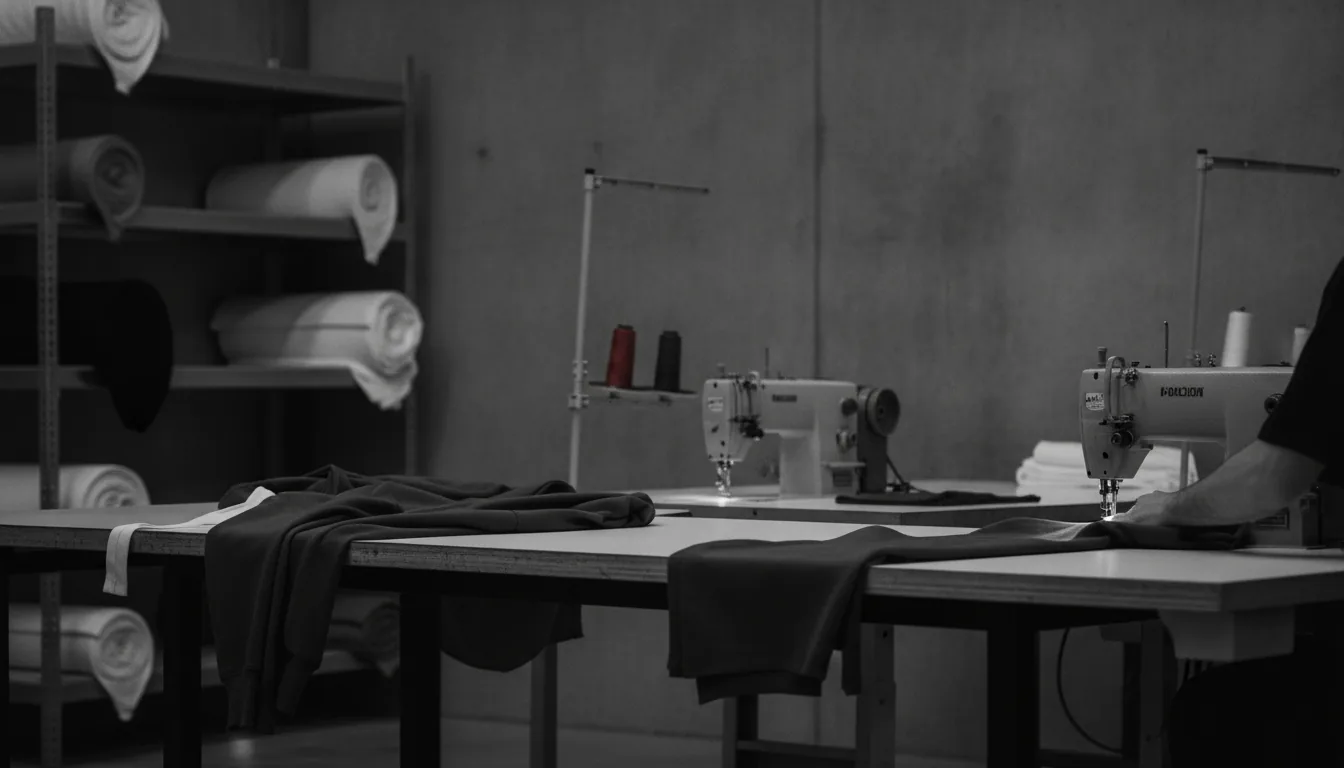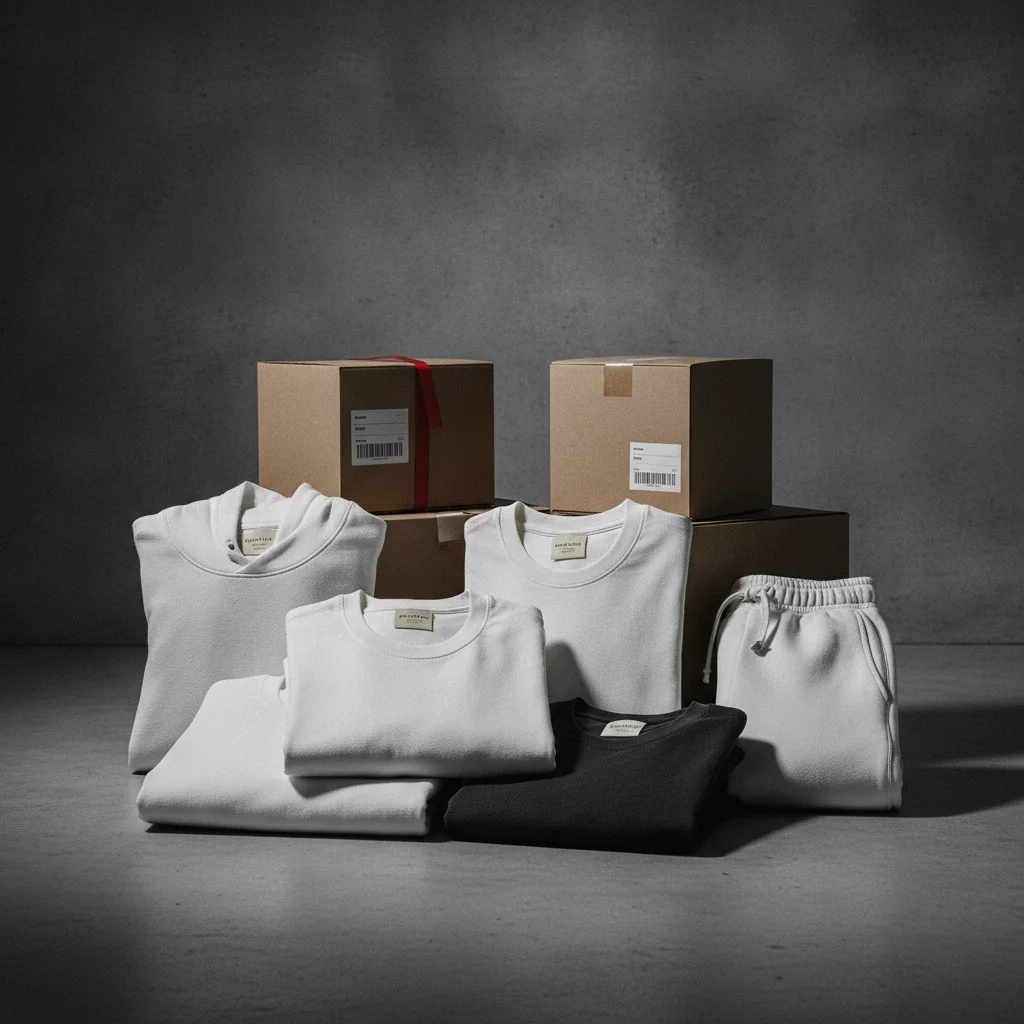
Yes, Pakistan is a solid choice for clothing manufacturing – it is one of the world’s largest cotton producers and textile exporters, with a vertically integrated supply chain that runs from raw cotton through spinning, weaving, cutting, and sewing inside the same country. That integration is why a factory based in Pakistan, like Minku Apparel, can offer heavyweight 240-400+ GSM fabric at a competitive production cost without importing raw material from elsewhere.
Why Pakistan Is an Established Textile Manufacturing Base
Pakistan’s textile sector has decades of export history to the USA, UK, and Europe, built on a genuine structural advantage: it is one of the largest cotton-producing countries in the world, and that cotton feeds a domestic industry that spins yarn, knits and weaves fabric, dyes and finishes cloth, and cuts and sews finished garments largely within its own borders. That vertical integration – raw material to finished product in one country – is uncommon at this scale and is a large part of why apparel brands across those three markets already source there today.
The Cotton Supply Chain Advantage
Because cotton is grown domestically and processed through local spinning and weaving mills, a Pakistan-based manufacturer controls fabric quality and weight from the raw fiber stage onward, rather than importing finished cloth from a third country and adding a layer of cost and lead time. This is exactly why heavyweight construction – 320-450 GSM fleece for hoodies, 240-400+ GSM cotton for tees – is a genuine specialty of the region rather than a marketing claim: the mills producing that fabric sit close to the factories cutting and sewing it.
Export Track Record to the USA, UK, and Europe
Textile and apparel exports are one of Pakistan’s largest export categories, with the USA and EU among the largest destination markets for finished garments produced there. That trade relationship means customs processes, freight lanes, and DDP shipping infrastructure between Pakistan and those markets are established and routine, not a novel or untested route. A new brand sourcing from Pakistan today is using the same trade lane that decades of apparel exports have already run through.
Labor and Production Cost Position
Production cost in Pakistan sits at a competitive point globally without requiring a compromise on fabric weight or construction quality, largely because the vertically integrated supply chain removes several cost layers that a country importing its own raw material would carry. This lets a manufacturer offer heavyweight, private-label-finished garments at a lower MOQ than many domestic alternatives, since the fixed costs of running a small batch are spread across a supply chain built for volume in the first place.
| Factor | Pakistan-Based Manufacturing |
|---|---|
| Raw cotton | Domestic supply, no import layer |
| Fabric production | Spun and woven locally |
| MOQ flexibility | Supports orders from 50 pieces |
| Export infrastructure | Established freight lanes to USA/UK/EU |
Fabric and Decoration Capability
A well-equipped Pakistan-based factory runs in-house decoration alongside cut-and-sew – screen printing, DTG, flat and puff embroidery, acid wash, garment dye, tie-dye, and all-over print – which keeps quality control and turnaround under one roof rather than shipping garments out to a third-party print shop and back. That in-house model is what allows a factory to hold a consistent GSM and shade across a bulk run and a later reorder, since the same team handles decoration on both.
What to Vet When Choosing a Pakistan-Based Manufacturer
Not each factory operating from Pakistan runs the same standard, so the vetting checklist is the same one that applies to any overseas manufacturer: ask for GSM specifics in writing rather than vague fabric descriptions, request a pre-production sample before committing to bulk, confirm private-label capability with real examples, and get a written DDP shipping quote that includes duty handling. Our how to choose a clothing manufacturer and how to avoid clothing manufacturer scams guides cover the specific red flags worth checking before wiring a deposit.
Shipping and DDP From Pakistan
DDP – delivered duty paid – shipping from Pakistan to the USA, UK, and Europe typically transits in 5 to 9 days by air, with freight and import duty already handled so a landed cost is fixed before the order ships. That removes the customs-broker step that trips up first-time importers working with an overseas factory directly. See shipping from a Pakistan clothing factory and what is DDP shipping for the full mechanics.
Workforce Experience and Craft Heritage
Cut-and-sew and embroidery work in Pakistan’s textile hubs runs on generations of accumulated skill, not a workforce assembled recently to chase export demand. Cities built around textile production have trained pattern makers, cutters, sewing machine operators, and embroiderers for decades, and that depth of experience shows up in construction quality on details that are easy to get wrong elsewhere – even stitch tension on heavyweight fleece, clean puff embroidery edges, and consistent panel alignment on multi-piece garments like varsity jackets and tracksuits.
This experience also supports faster problem-solving during production. A pattern issue or a fabric shrinkage question gets resolved by people who have seen the same problem across thousands of previous production runs, rather than a newer facility working through it for the first time on a brand’s order.
Climate and Production Lead Time Considerations
Pakistan’s textile regions run production largely unaffected by the seasonal slowdowns that hit some manufacturing hubs during monsoon or extreme heat periods, since spinning, weaving, and sewing all happen indoors in climate-controlled facilities. Lead times are driven mainly by order queue and fabric availability rather than weather disruption, which gives a brand more predictable production windows to plan a launch or restock date around.
What a New Brand Should Expect on a First Pakistan-Manufactured Order
A first order from a Pakistan-based manufacturer typically starts with a tech pack or reference garment review, moves to a written quote covering fabric and decoration, then a pre-production sample before bulk cutting – the same sequence as sourcing from any well-run overseas factory. Communication happens over email, WhatsApp, or video call, and a manufacturer used to working with USA, UK, and EU brands will be fluent in the specifications those markets expect: imperial or metric measurements, GSM fabric language, and DDP shipping terms.
Payment typically follows a deposit-and-balance structure, with the deposit due at order confirmation and the balance due before shipment. First-time buyers should expect this structure rather than full payment up front or full payment on arrival, and a manufacturer offering unusual payment terms outside this norm is worth a closer look before committing.
How Pakistan Compares to Other Manufacturing Regions
Brands weighing Pakistan against other common sourcing regions – China, Bangladesh, Turkey, or a domestic cut-and-sew shop – typically find the decision comes down to MOQ flexibility and fabric weight rather than any single factor. China offers broad manufacturing infrastructure but often carries higher MOQs geared toward large retail orders. Bangladesh runs at massive scale for basics but historically favors bulk apparel over flexible small-batch streetwear runs. Turkey sits closer to European buyers geographically but at a different cost position. Domestic cut-and-sew shops offer speed and easy communication but rarely match the fabric weight range or MOQ flexibility an integrated overseas mill-to-factory chain supports. Pakistan’s specific combination – domestic cotton, heavyweight fabric specialization, and MOQs that support new brands – is what makes it a genuine fit for streetwear and private-label startups rather than only established retailers.
Ethical and Working-Condition Diligence
Any overseas sourcing decision should include diligence on working conditions, and Pakistan is no exception. A brand vetting a Pakistan-based factory should ask directly about working hours, safety practices on the production floor, and whether the facility has been independently audited. A manufacturer confident in its operations will answer these questions directly rather than deflecting them, and a brand should treat a factory’s willingness to be transparent about its floor as part of the same vetting process used for fabric and MOQ.
Common Concerns About Manufacturing in Pakistan
The concerns brands raise about manufacturing overseas in Pakistan are the same as for any offshore factory: communication lag, quality consistency, and shipping reliability. Communication is addressed by working with a factory that responds directly rather than through a layered agent chain; quality consistency comes down to sampling discipline and pre-shipment checks on each order; and shipping reliability is resolved by DDP terms that put freight and customs responsibility on the manufacturer rather than the brand. None of these concerns are unique to Pakistan – they apply to sourcing from any country outside your own, and they are manageable with the right process rather than reasons to avoid the region.
How Minku Apparel Operates From Pakistan
Minku Apparel runs cut-and-sew, in-house decoration, and private-label finishing from our factory in Pakistan, working directly with brands in the USA, UK, and Europe from a 50-piece MOQ. We sample each new style before bulk, hold fabric and pattern files for consistent reorders, and ship DDP door-to-door so freight and duty are settled before your order leaves the factory.
Curious what a Pakistan-manufactured first run looks like for your product? Get your custom quote or read cut and sew manufacturing for the full production process.
Related Reading
For a full comparison of sourcing routes, see overseas vs domestic clothing manufacturer and our custom clothing manufacturer overview.
Is Pakistan Good for Clothing Manufacturing? — In Detail