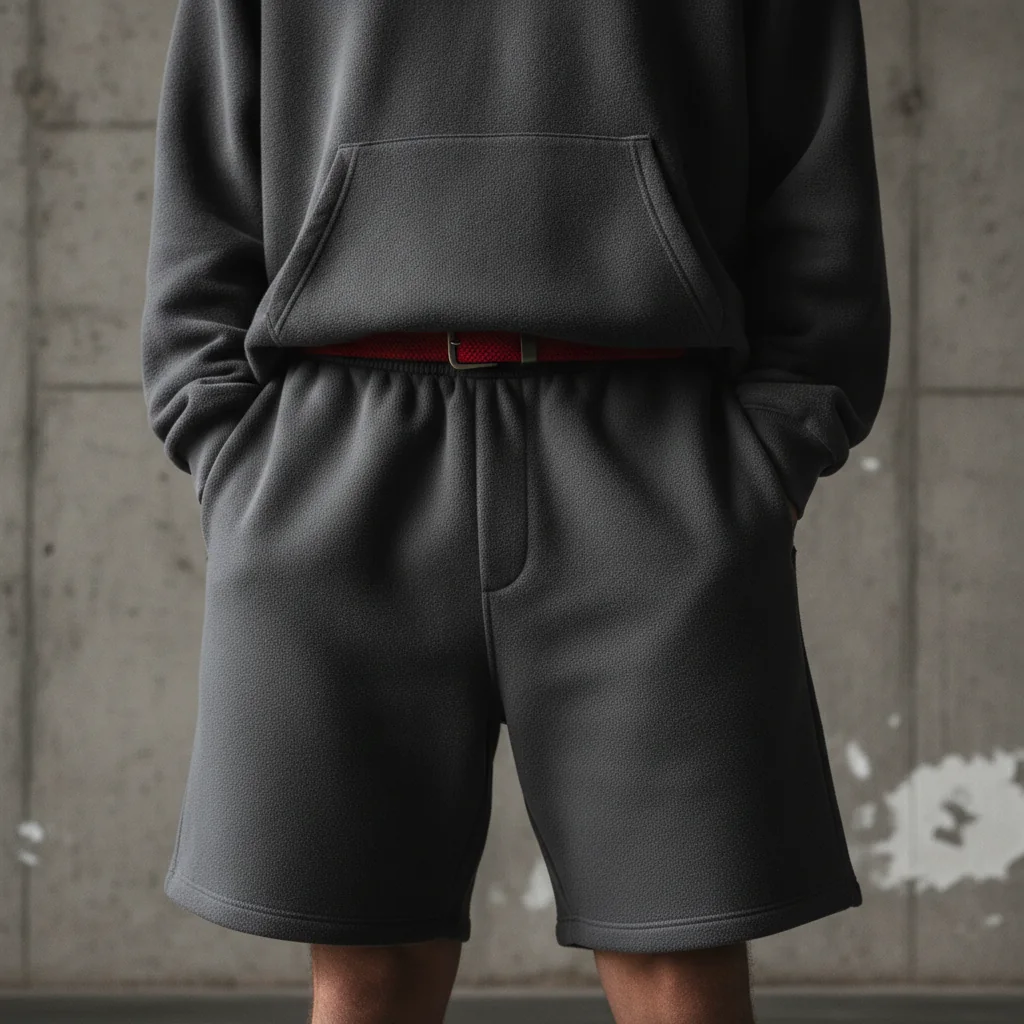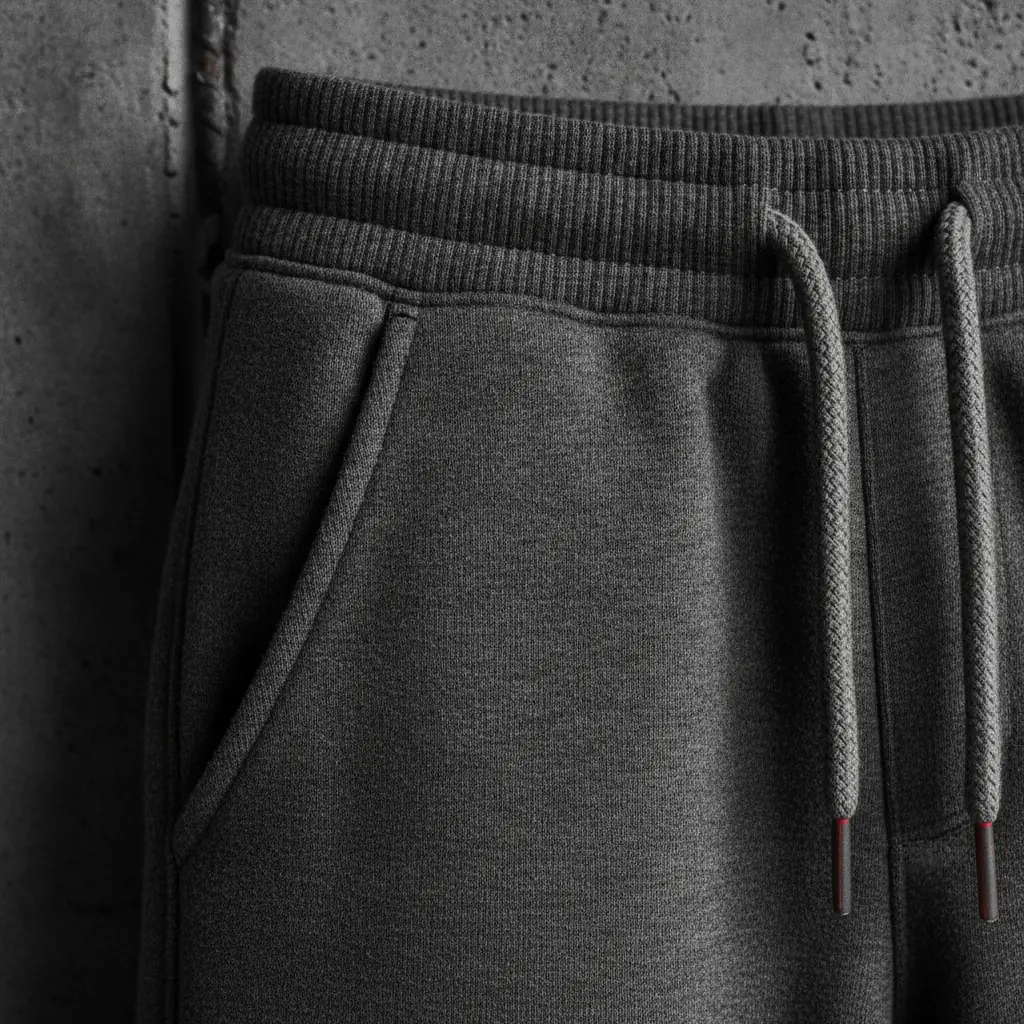
Price custom shorts at 3 to 4 times your landed cost for a direct-to-consumer streetwear retail model, or 2 to 2.5 times landed cost if you are selling wholesale into boutiques and retailers who will mark the product up again. Landed cost includes fabric, sewing, decoration, private label, and DDP shipping – price from that full number, not only the factory unit cost, or your margin will be thinner than it looks on paper.
Pricing is where a lot of new brands lose money before they even launch, because they anchor to what a design competitor charges rather than building up from their own actual cost. The formula below works from your real landed cost so the number you land on protects margin instead of guessing at one.
The Cost-Plus Pricing Formula
Start with landed cost per pair – fabric, CMT, decoration, private label, and DDP shipping combined – then apply a multiplier based on your sales channel. See the full landed cost breakdown before you build your retail price, since each markup calculation depends on getting that starting number right.
| Sales Channel | Typical Markup | Example on a $9.00 Landed Pair |
|---|---|---|
| Direct-to-consumer (your own site) | 3x to 4x | $27 to $36 retail |
| Wholesale to boutiques | 2x to 2.5x | $18 to $22.50 wholesale price |
| Premium / limited-drop positioning | 4x to 5x+ | $36 to $45+ retail |
Why Landed Cost, Not Factory Cost, Is Your Starting Number
A quote that only shows fabric and sewing cost, without decoration, private label, and DDP shipping folded in, will make your true cost look lower than it is. If you price from a partial number, your real margin shrinks the moment shipping and duties are accounted for. Always build your retail price from the full landed cost per pair, delivered to your door, DDP shipping included.
Factors That Should Push Your Markup Higher
A heavier 320+ GSM fabric, a multi-step decoration process like embroidery combined with a garment dye finish, and full private-label packaging all warrant a higher markup because they are genuinely differentiated from a basic printed short. A limited-run drop model, where scarcity itself is part of the pitch, also supports pricing at the top of the range or above it.
Factors That Should Keep Your Markup Conservative
If you are entering a market with several similar streetwear labels already selling shorts at a set price point, a markup at the low end of the range keeps you competitive on shelf while still protecting margin. Wholesale accounts also need room to mark the product up again to their own retail price, so a wholesale price above 2.5x landed cost often prices your product out of the boutique’s own margin requirements.
Worked Example: A 100-Piece Cargo Short Drop
A 100-piece cargo short run landed at 8.40 dollars per pair, screen-printed one color with a woven label and hangtag. Priced direct-to-consumer at 3.5x landed cost, that sets a retail price of 29.40 dollars, rounded to 29.99 dollars – a price point that sits comfortably in the streetwear short category without reading as marked-down or overpriced against comparable labels.
Worked Example: A Premium Embroidered Sweat Short
A 300-piece embroidered French terry sweat short reorder landed at 7.10 dollars per pair. Given the heavier fabric and embroidered finish, a 4x markup sets a retail price of 28.40 dollars, while a limited-colorway version of the same short, positioned as a smaller drop, supports a price closer to 38 to 42 dollars without changing the landed cost at all.
Wholesale Pricing Considerations
If a boutique or retailer is buying your shorts to resell, your wholesale price needs enough headroom that they can mark the product up to their own retail price – typically another 2x to 2.5x on top of what they pay you – and still land at a market-appropriate shelf price. Pricing your wholesale line too close to your own direct-to-consumer price leaves no room for a retail partner to work with.
How MOQ Affects Your Pricing Flexibility
A 50-piece MOQ (minimum order quantity) run carries a higher per-pair landed cost than a 300-piece run of the same design, since fixed sampling and setup costs spread across fewer units. Review our MOQ and pricing structure before locking a retail price, since a slightly larger first order can lower your landed cost enough to widen your margin at the same retail price point.
How Minku Supports Your Pricing Decisions
Each quote we issue itemizes fabric, sewing, decoration, private label, and DDP shipping separately, so you can build an accurate cost-plus retail price instead of guessing from a bundled number. Get your custom quote with each cost line shown, then apply the markup that fits your sales channel and positioning.
Regional Pricing Considerations for US, UK, and European Markets
Retail price expectations differ enough across your markets that a single global price point rarely serves all of them well. US streetwear customers are accustomed to a wide spread from basic mall-brand shorts to premium boutique pricing, giving a new brand room to position anywhere in that range. UK and European customers factor VAT into the displayed price, so your DDP-landed cost already reflects that duty and VAT are handled, but your retail price should still be built to feel native to each market rather than converted directly from a US dollar figure. A brand selling into all three regions typically sets a base US dollar price, then prices the GBP and EUR versions independently against local competitor pricing rather than applying a straight currency conversion.
How Competitor Pricing Should – and Shouldn’t – Influence You
Checking what comparable streetwear labels charge for a similar short is useful context, but pricing purely to match a competitor ignores your own landed cost and margin needs. A competitor selling at a lower price point may be running a thinner fabric, a simpler decoration method, or a larger order size that spreads their fixed costs further than yours. Use competitor pricing as a sanity check on where your number sits in the market, not as the starting point for the calculation itself – your landed cost and target margin should always come first.
How Pricing Changes as Reorder Volume Grows
Your first order on a new shorts design typically carries the highest per-pair landed cost, since fixed sampling and setup costs spread across a smaller unit count. As reorders grow in volume, per-pair cost falls, giving you the option to either widen your margin at the same retail price or lower the retail price slightly to stay competitive as the design matures in the market. Building this into your original pricing plan – rather than treating your first-order cost as permanent – keeps your pricing strategy flexible as the product proves itself.
Common Pricing Mistakes New Brands Make
The most frequent pricing mistake is anchoring to a competitor’s retail price without knowing that competitor’s landed cost, fabric weight, or order volume – three variables that can differ enough to make their price point unworkable for your business. A second common mistake is pricing from a partial cost figure, forgetting to fold in DDP shipping or private-label add-ons, which quietly erodes margin the moment the full invoice is accounted for. A third mistake is setting a price too low for a genuinely premium product, which can undercut how a customer perceives the fabric and construction quality even before they hold the garment – price is one of the signals a customer reads before they ever touch the short.
| Mistake | Why It Hurts Margin |
|---|---|
| Pricing to match a competitor blindly | Ignores your own landed cost and fabric quality difference |
| Pricing from partial cost (no shipping, no private label) | Real margin is thinner than the price suggests |
| Underpricing a premium product | Signals lower quality than the fabric and construction deliver |
| Never revisiting price after reorders lower cost | Leaves margin on the table as the design matures |
Building a Pricing Plan Before Your First Order
The strongest approach is to set your target retail price range before you finalize fabric and decoration choices, then work backward to a landed cost that supports it with your target markup. This keeps your fabric and decoration decisions grounded in what the market will pay, rather than locking in a spec first and hoping the resulting price makes sense once the quote arrives.
Reviewing Price Performance After Launch
Once your shorts are live, track sell-through rate against your retail price, not against your landed cost alone. A design that sells through quickly at a given price point can often support a higher price on the next drop or colorway, while slow sell-through is a signal to hold price steady and let the reorder’s lower landed cost widen margin instead. Reviewing this after each drop, rather than setting a price once and leaving it fixed indefinitely, is how established streetwear brands keep pricing aligned with actual demand.
How to Price Your Custom Shorts for Retail — In Detail