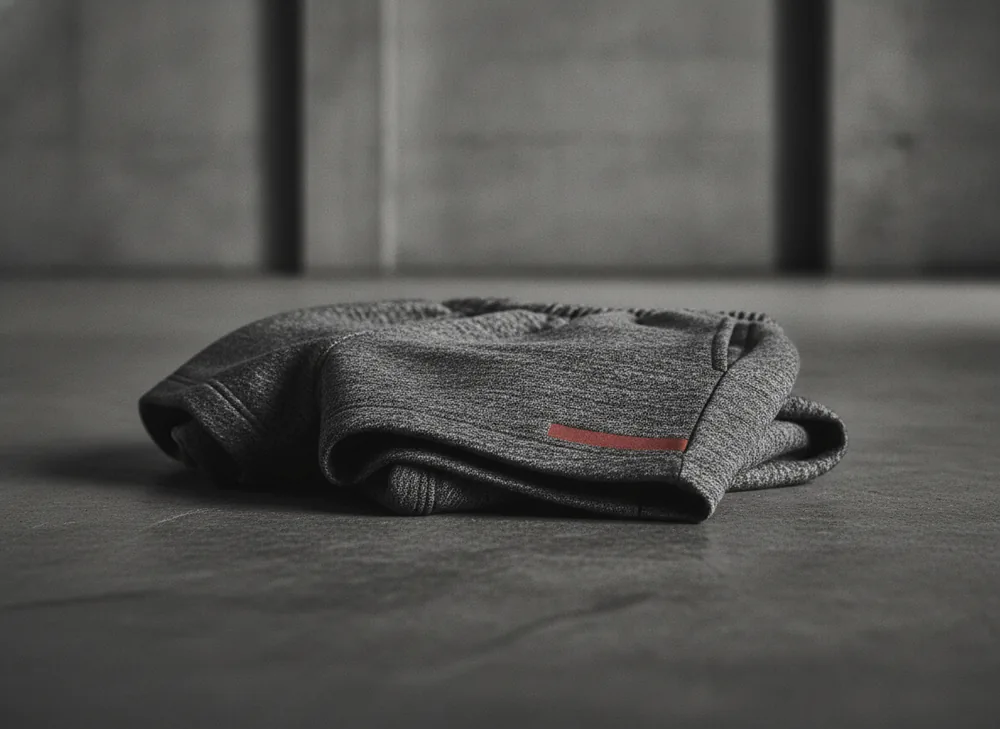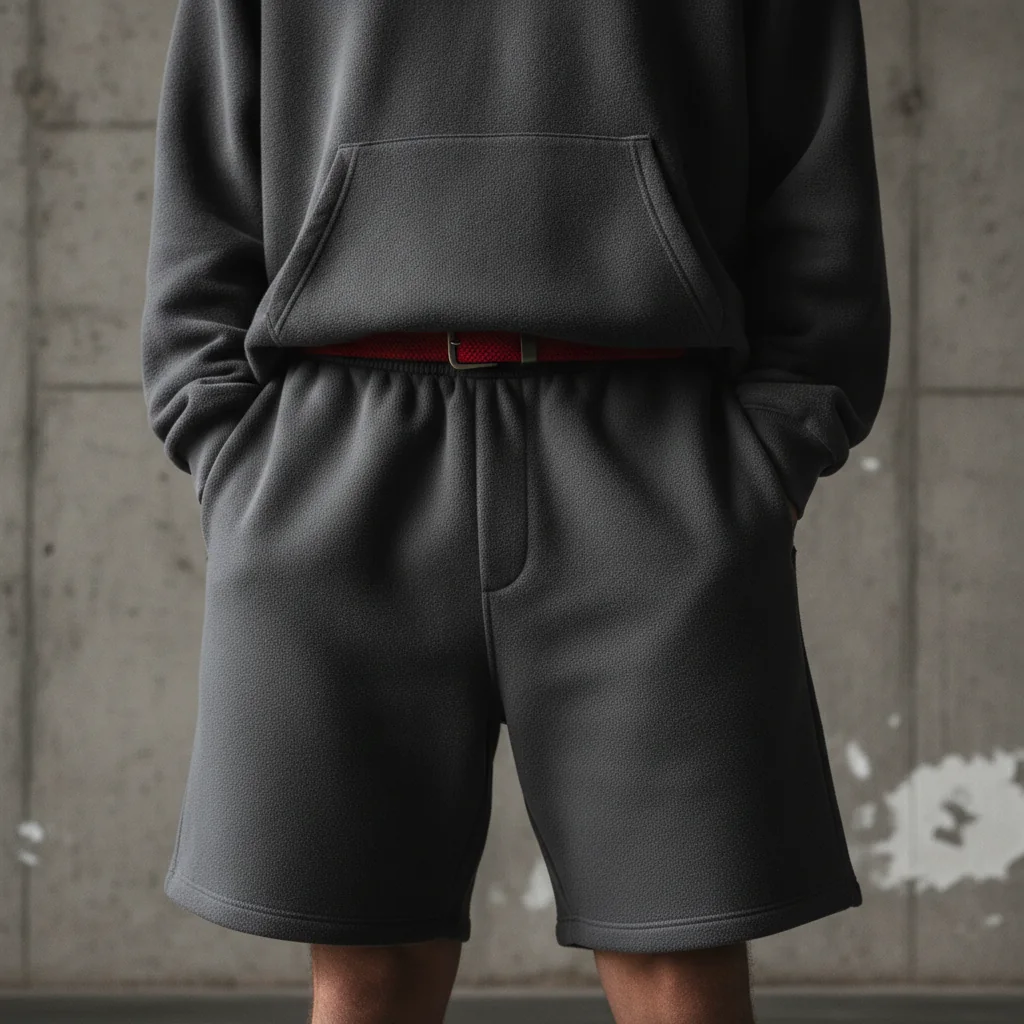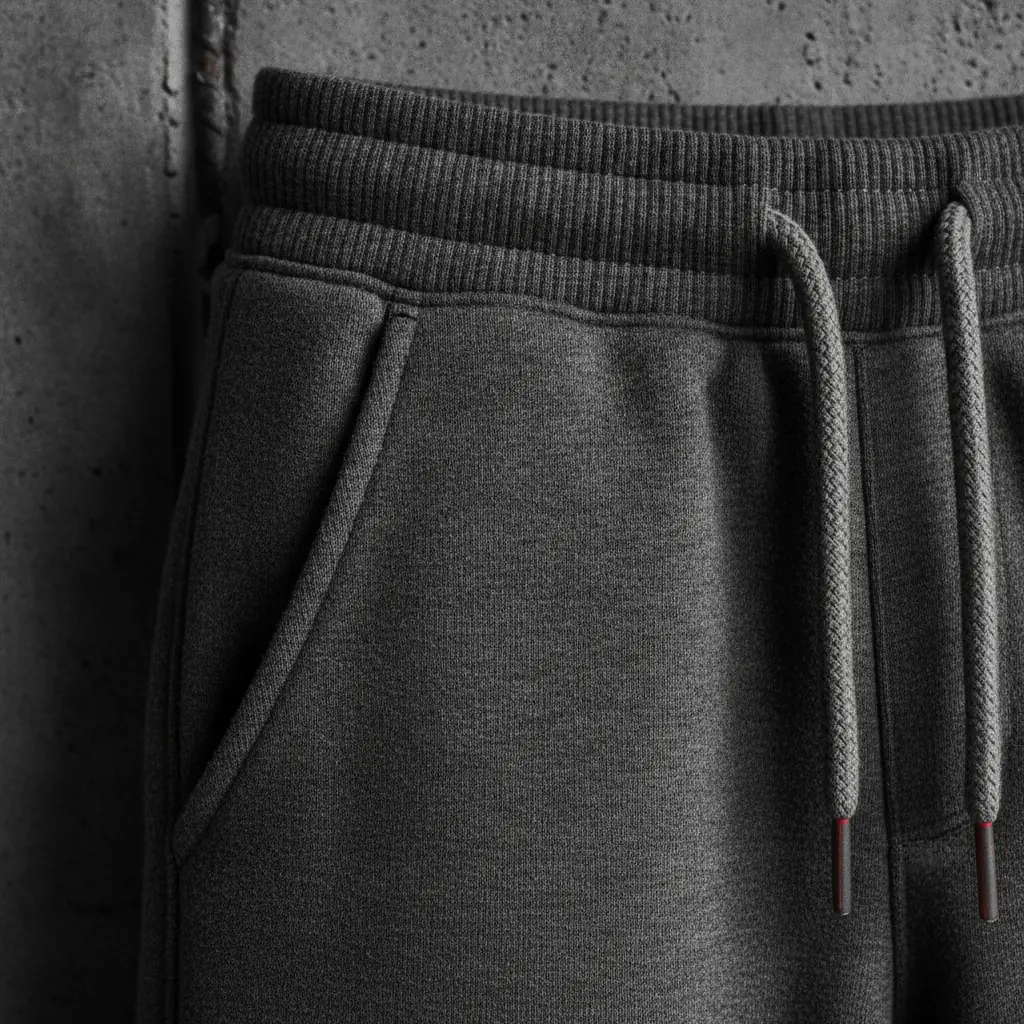
Custom shorts cost roughly $6 to $14 per pair landed cost in 2026, covering fabric, cutting and sewing, decoration, and private-label trims, before DDP shipping is added on top. Where your order lands in that range depends on fabric weight, decoration method, order size, and how much private-label detail – woven labels, hangtags, custom packaging – you build into the spec.
Most brands calling a manufacturer for the first time ask for a single number, but shorts pricing is a stack of separate line items that move independently. Knowing what each line costs lets you make real trade-offs – a heavier fabric here, a plainer print there – instead of guessing at a quote you don’t fully understand.
The Full Cost Breakdown, Line by Line
Each custom shorts quote at Minku Apparel breaks into the same core components. Order size shifts each line, but the structure below holds for a 100-piece cargo short run through an 800-piece mesh short program.
| Cost Component | Typical Range Per Pair | What Drives It |
|---|---|---|
| Fabric | $1.50 to $4.20 | GSM weight, fiber type (cotton twill, French terry, ripstop nylon, mesh) |
| Cutting & sewing (CMT) | $3.10 to $5.80 | Pocket count, panel construction, elastic waistband vs drawcord, lining |
| Decoration | $0.60 to $2.50 | Screen print colors, embroidery stitch count, DTG coverage, wash treatment |
| Private label (woven label, hangtag, poly bag) | $0.30 to $0.90 | Custom neck label, woven brand tag, printed hangtag, branded polybag |
| Sampling (one-time, not per-unit) | $35 to $90 per sample | Fabric, construction complexity, decoration on the sample piece |
| DDP shipping (per pair, at volume) | $1.10 to $2.60 | Order size, destination country, air vs sea freight |
Fabric Choice Is the Single Biggest Cost Lever
Fabric weight and fiber type move the per-pair cost more than any other single decision. A 220 to 240 GSM cotton twill for a basic cargo short sits at the lower end of the fabric range. A heavyweight 320+ GSM French terry sweat short, or a technical ripstop nylon built for performance-style shorts, costs 30 to 60 percent more per pair in fabric alone – but it also holds shape, color, and washes better across the life of the garment, which is a real factor in return rates and reorder quality.
Decoration Method Cost Comparison
Screen printing prices per color, so a one-color logo on the leg costs 0.60 dollars a pair while a four-color chest graphic runs closer to 1.80 dollars. DTG (direct-to-garment) prices by coverage area rather than color count, making it a stronger option for photorealistic or multi-color art on smaller runs. Puff embroidery and flat embroidery price by stitch count – a small left-leg logo costs less than a full back-panel embroidered design. Acid wash and garment dye add a finishing step after sewing, typically 0.80 to 1.60 dollars per pair depending on the wash intensity and whether it is a solid garment dye or a mottled acid wash.
How Order Size Changes Your Per-Pair Cost
Fixed costs – pattern making, screen burning, embroidery digitizing, sample development – spread across more pieces as your order grows, which is why per-unit cost falls as order size increases even though the fabric and labor cost per pair barely moves. A 50-piece order carries the full weight of those fixed costs on a small unit count. A 300-piece reorder on the same tech pack spreads them thin, and a straight reorder with no tech pack changes skips the fixed sampling cost altogether.
Private Label and Packaging Add-Ons
Full private label – your own woven neck label, a printed care label, a branded hangtag, and a custom polybag or mailer box – adds 0.30 to 0.90 dollars per pair over blank packing. This is where a manufactured garment turns into a retail-ready product with your brand on each touchpoint, not only the print on the front.
Real Cost Examples
A 100-piece run of one-color screen-printed cargo shorts in 240 GSM cotton twill, with a woven label and hangtag, landed at 8.40 dollars per pair before shipping. A 300-piece embroidered French terry sweat short reorder, using an approved tech pack with no new sampling cost, landed at 7.10 dollars per pair. An 800-piece mesh short program across three colorways with DTG-printed graphics landed at 9.60 dollars per pair, with DDP air shipping to the UK adding 1.40 dollars per pair on top.
What a Quote Should Include – and What to Watch For
A complete shorts quote should itemize fabric, CMT, decoration, private label, sampling, and shipping as separate lines – not one bundled number. Be cautious of any quote that omits shipping entirely, since DDP shipping cost varies enough by destination and volume that it belongs in the same conversation as the unit price, not a surprise added later.
How Minku Prices Your Custom Shorts
We quote each shorts order as a line-item breakdown – fabric, CMT, decoration, private label, and DDP shipping shown separately – so you see exactly where your cost sits and where you have room to adjust. See our full MOQ and pricing structure, review how to price your finished shorts for retail once landed cost is set, or get your custom quote with each line itemized before you commit to a fabric or decoration method.
Payment Terms and How They Affect Your Cash Flow Cost
Most first orders run on a split deposit structure – a percentage due at order confirmation to book fabric and start sampling, with the balance due before the finished shorts ship. This structure matters for your effective cost because it determines how much capital sits tied up in production versus how much you keep free for marketing or your next drop. Review typical clothing manufacturer payment terms before you commit to an order size, since a larger deposit percentage on a bigger order changes your working-capital math even if the per-pair landed cost stays the same.
Comparing Overseas Manufacturing Cost to Domestic Options
A domestic cut-and-sew shop in the US or UK typically prices labor several times higher than a Pakistan-based factory, which is the main reason overseas manufacturing remains the standard route for brands running heavyweight fabric and full private-label programs at MOQs starting from 50 pieces. See the full overseas versus domestic manufacturing comparison for how labor cost, minimum order size, and turnaround stack up between the two routes. The trade-off is transit time – DDP air shipping adds 5 to 8 days that a domestic order skips entirely – but for most streetwear brands the landed cost difference more than covers that extra week.
Hidden Costs Brands Often Forget to Budget For
A few cost lines catch first-time brands off guard because they aren’t part of the standard per-pair quote. A second sampling round, if your first sample needs a fit or placement revision, adds a one-time fee separate from your bulk order cost. Express air shipping, chosen to hit a fixed launch date instead of standard DDP transit, carries a premium over standard freight. Packaging upgrades – a printed mailer box instead of a standard polybag, for example – are quoted separately from the core garment cost and should be priced in before you finalize your retail budget, not discovered after the invoice arrives.
How Fabric Weight Comparisons Play Out in Real Cost
Two brands ordering visually similar cargo shorts can land 1.50 to 2.00 dollars per pair apart purely on fabric weight. A 220 GSM cotton twill sits at the lighter, lower-cost end of the range and suits a warm-climate, high-volume basic. A 280 GSM twill in the same construction adds structure and drape at a modest cost increase, and is generally the better fit for a brand positioning its shorts as a considered product rather than a throwaway basic. Choosing fabric weight to match your brand positioning, not only your budget, is what keeps the finished product and the price point aligned.
| Fabric | GSM Range | Cost Impact |
|---|---|---|
| Cotton twill (lightweight) | 200 to 240 GSM | Lower end of fabric cost range |
| Cotton twill (heavyweight) | 260 to 300 GSM | 15 to 25 percent above lightweight twill |
| French terry / fleece | 320 to 400+ GSM | Highest fabric cost per pair, best structure and drape |
| Ripstop nylon | N/A (technical fabric) | Mid-range, varies by coating and weight |
When a Higher Landed Cost Pays for Itself
A higher landed cost is not automatically a worse business decision. A heavier fabric and a woven private label add real cost per pair, but they also support a meaningfully higher retail price, reduce return rates tied to thin fabric or poor fit, and build the kind of repeat-purchase trust that keeps a brand’s reorders growing. Brands that chase the lowest possible landed cost on every order often find their margin advantage erased by higher returns and weaker reorder rates over a full year of trading, compared with a brand that prices for quality from the first production run.
Getting an Accurate Quote on the First Try
The fastest way to a precise cost figure is to bring a clear fabric preference, an approximate colorway count, and your intended decoration method to the first conversation. A brand that arrives with those three decisions made gets an itemized quote within a couple of days; a brand still weighing several fabric options needs a short scoping call first, since fabric choice alone can move the landed cost by more than a dollar per pair.
How Much Does It Cost to Manufacture Custom Shorts? (2026) — In Detail