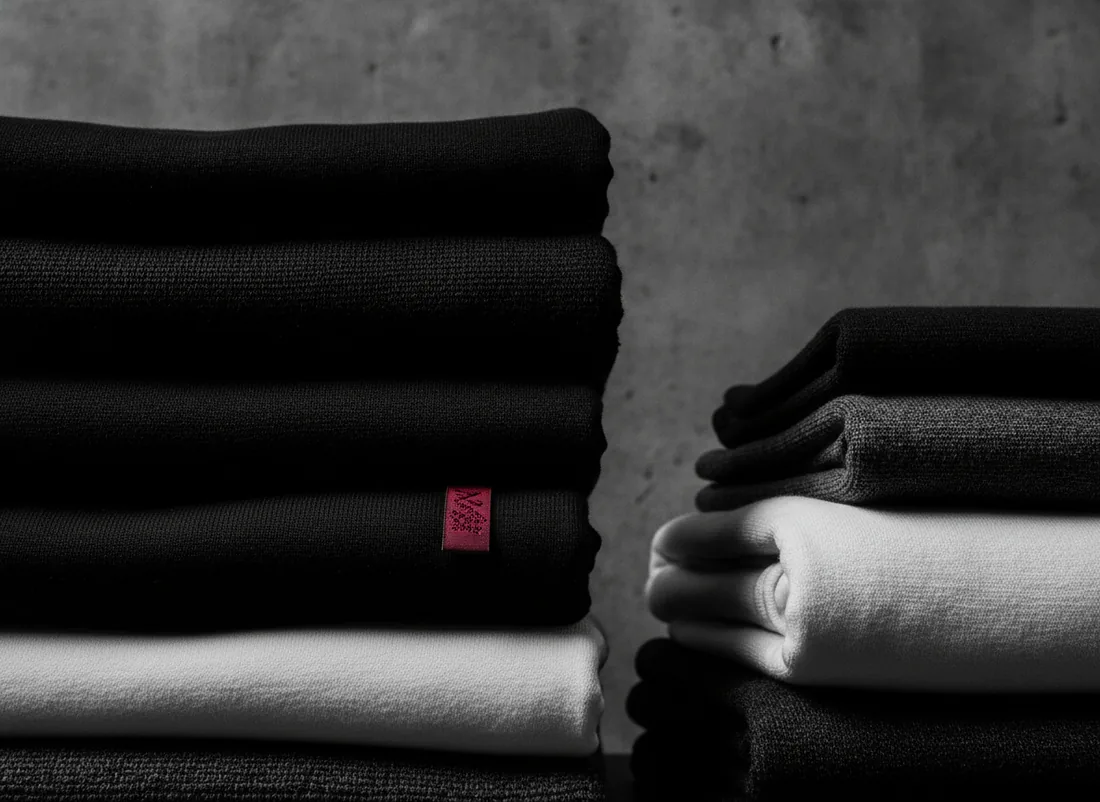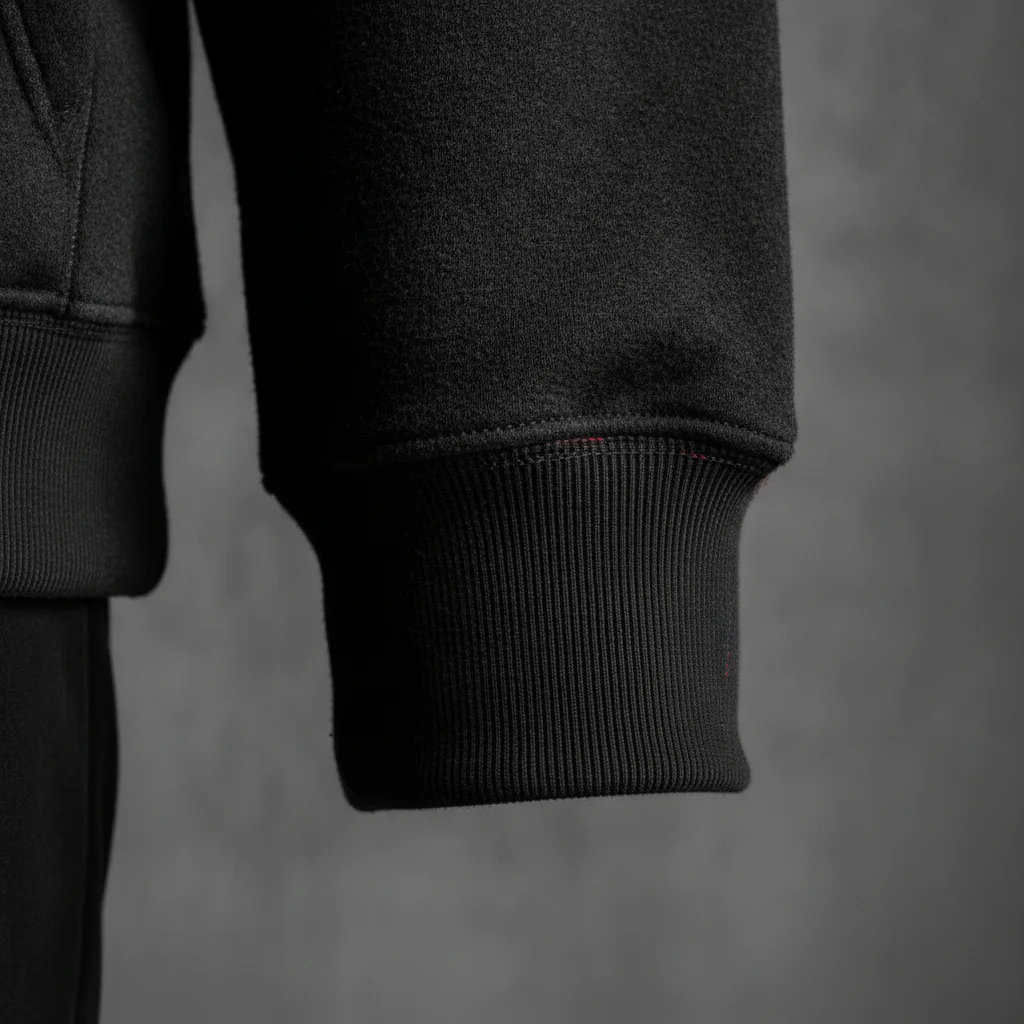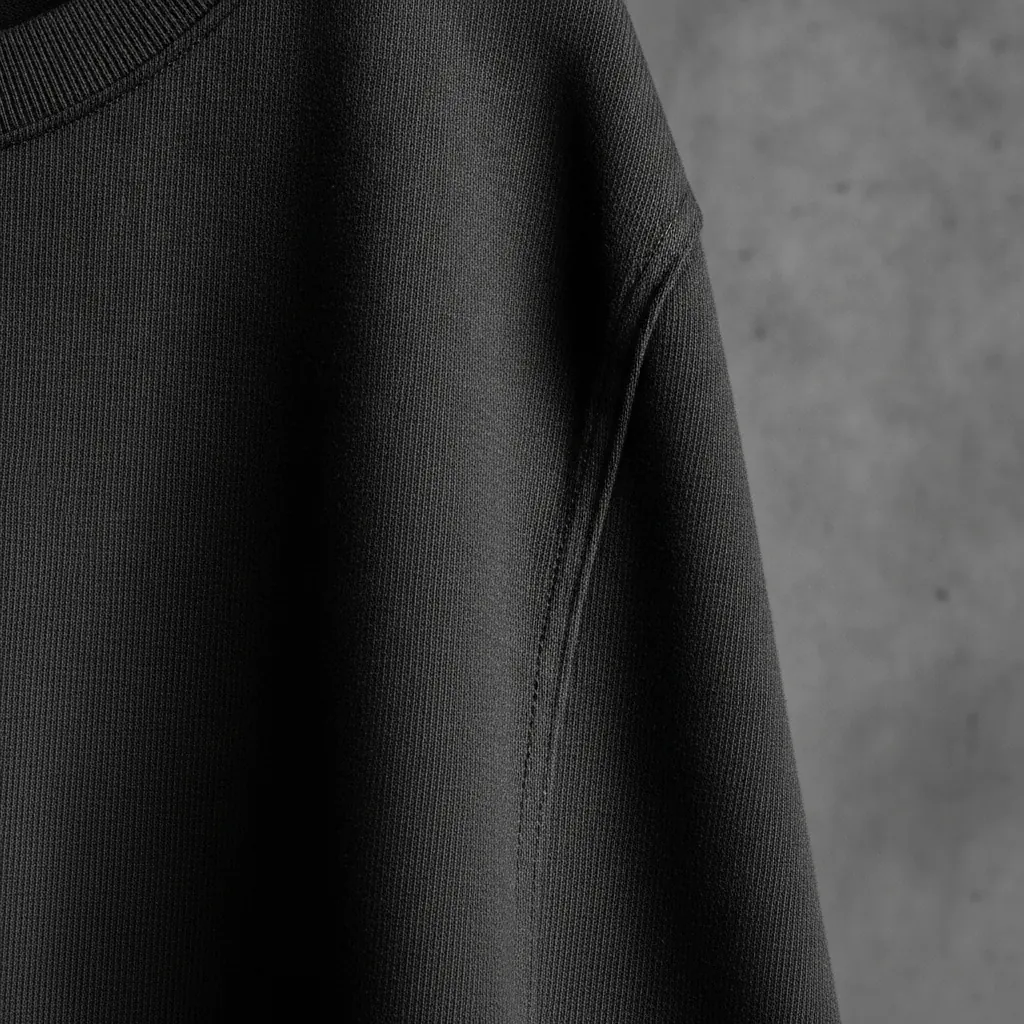
Sustainable streetwear manufacturing means selecting organic or recycled-fiber fabrics, partnering with a factory that runs an efficient cut-and-sew process, and building garments heavy enough to survive years of wear and multiple reorders instead of one season in a landfill. The single biggest lever is fabric choice and weight – 240 to 400+ GSM organic cotton or recycled-blend fleece outlasts thin, disposable basics by years, which is what actually keeps garments out of the waste stream.
Brand founders searching for a sustainable manufacturer often get sold on marketing language with no manufacturing substance behind it. This guide breaks down what sustainable streetwear production actually looks like on a factory floor – fiber sourcing, decoration methods, order sizing, and packaging – so you can build a line that holds up to scrutiny and to wash cycles.
What “Sustainable” Actually Means in Garment Manufacturing
Sustainability in apparel is not one certification or one buzzword – it is a stack of decisions made at each stage of production. Fiber sourcing (organic vs conventional cotton, virgin vs recycled polyester), water and dye use in finishing processes like garment dye and acid wash, decoration method (screen print inks vs DTG water-based inks), order sizing (made-to-order vs speculative overproduction), and construction quality (does the garment survive 40 washes or 4) all factor in.
A streetwear brand that wants a credible sustainability story needs a manufacturer who can speak to each of these points with specifics, not slogans. That is the standard to hold any factory to before signing off on a production run.
Organic and Recycled Fiber Options
Cotton choice is the first decision. Organic cotton is grown without synthetic pesticides and fertilizers, which reduces the chemical load on soil and water in the growing regions. Recycled cotton and recycled polyester blends reclaim fiber from pre-consumer textile waste or post-consumer garments, cutting demand for virgin fiber. Both are viable inputs for tees, hoodies, and sweatsuits, and both take dye, screen print, and embroidery the same way conventional fiber does.
The trade-off brands should understand: organic and recycled fibers can run tighter on color and lot availability than conventional cotton, so sampling and lab-dip approval matter more, not less. See our breakdown of organic vs recycled cotton for how the two options compare on hand-feel, cost structure, and sourcing lead time, and combed vs carded cotton for how fiber processing affects surface quality regardless of which cotton type you choose.
Fabric Weight as a Sustainability Decision
Heavier fabric is a sustainability lever that gets overlooked. A 180 GSM tee thins and pills within a season; a 220 to 240 GSM combed cotton tee holds shape and color across dozens of washes. Hoodies built on sub-300 GSM fleece lose loft fast; 400+ GSM French terry or brushed fleece holds structure for years. The longer a garment stays in rotation in a customer’s closet, the lower its true environmental cost per wear – durability is a sustainability metric, even though it rarely gets marketed as one.
Low MOQ Reduces Overproduction Waste
Overproduction is one of the largest sources of textile waste in the industry – brands ordering thousands of units on a design that never sells through, then marking down or landfilling the surplus. A manufacturing partner with a low MOQ starting at 50 pieces per design lets a brand test a design with a small, considered run, gauge demand, and reorder into proven sellers instead of guessing at volume up front. This is the single practical decision that does more for a brand’s actual environmental footprint than any fiber choice.
Decoration Methods and Their Footprint
Screen printing uses plastisol or water-based inks applied through mesh screens – durable and cost-efficient at volume, with water-based inks offering a softer hand and a lighter chemical load than plastisol. DTG (direct-to-garment) prints digitally with water-based inks and produces no screens or setup waste, which suits small-run and multi-colorway designs well. Puff and flat embroidery use polyester or rayon thread with no ink at all, and acid wash or garment dye processes use controlled water and chemical treatments to achieve a worn-in finish. None of these methods is universally “the sustainable one” – the right choice depends on print complexity, run size, and the finish the design calls for.
Matching Method to Order Size
Small test runs of 50 to 150 pieces suit DTG or embroidery, where there is no screen setup to amortize. Runs of 300+ pieces on a single design make screen printing’s per-unit efficiency worthwhile. A manufacturer with in-house screen print, DTG, and embroidery on one factory floor can recommend the right method per design instead of defaulting to whichever machine happens to be free.
Private Label and Sustainable Packaging
Full private label production means your neck labels, woven tags, and hangtags carry your brand, not a generic factory label – and the packaging around the finished garment is part of the sustainability picture too. Recyclable poly bags, kraft paper hangtag stock, and printed care labels with reduced plastic content are all standard requests a factory should be able to execute alongside your branding, without adding a new vendor to the supply chain.
Sampling Before Bulk Cuts Fabric Waste
A pre-production sample approved before bulk cutting begins prevents the single most wasteful outcome in manufacturing: cutting an entire run of fabric to a fit or spec that gets rejected on arrival. A tech pack that specifies fabric, GSM, fit, and trims, followed by a physical sample round, catches sizing and construction issues before hundreds of yards of fabric are committed. Skipping sampling to save a week of lead time is the most common way brands end up with unsellable, wasted stock.
Water Use in Dyeing and Washing
Garment dye, acid wash, and tie-dye processes all use water and chemical treatments to shift color and texture after construction. A factory running these processes in-house, rather than outsourcing each treatment to a separate uncontrolled vendor, can hold consistent lot-to-lot color and manage water use through the same quality-control chain that checks stitching and GSM. That in-house control does not make a process water-free, but it means treatments are auditable and repeatable across reorders, which matters as much for consistency as for footprint.
Cost Factors for a Sustainable Line
| Factor | Conventional Run | Sustainable Run |
|---|---|---|
| Fiber | Conventional cotton | Organic / recycled blend cotton |
| Order sizing | Speculative bulk | Low MOQ, reorder into winners |
| Sampling | Skipped or rushed | Tech pack + pre-production sample |
| Packaging | Generic poly | Recyclable / reduced-plastic options |
Organic and recycled fiber typically carries a moderate premium over conventional cotton at the raw-material stage, but the low-MOQ, sample-first approach offsets that by removing the larger cost driver in most first-time brand failures: unsold, marked-down inventory sitting in a warehouse.
Verifying Sustainability Claims Before You Market Them
A brand marketing a “sustainable” line should be able to back each claim with a specific, verifiable detail – the fiber percentage, the GSM, the decoration method, the packaging material – rather than a general label. Overstating certification or environmental impact undermines trust with the exact customer base most likely to notice the gap between claim and reality. Confirm with your manufacturer precisely which fibers, processes, and materials went into a run, and market only what can be substantiated with a spec sheet or lab-dip record.
This also means being precise about what a factory does and does not offer. If a factory runs organic and recycled fiber sourcing, low MOQ testing, in-house decoration, and reduced-plastic packaging, that is a real and marketable set of decisions – there is no need to reach for unverifiable claims beyond what the production run actually delivers.
What to Ask a Manufacturer Before Committing
- What fiber options are available at what MOQ, and what the reorder lead time looks like.
- Does sampling happen before or after bulk fabric is purchased.
- Which decoration methods are done in-house versus outsourced.
- What packaging materials are standard and what alternatives exist.
- Can the factory hold consistent GSM and color across multiple reorders.
A manufacturer who answers these five questions with specifics, not general reassurance, is one worth sampling with.
How Minku Apparel Builds Sustainable Streetwear Lines
Minku Apparel manufactures custom streetwear from its Pakistan factory using 240-400+ GSM cotton, French terry, and fleece, with organic and recycled-blend options sourced to spec. Each design starts with a tech pack and a pre-production sample before bulk cutting, and MOQ starts at 50 pieces per design so brands can test before committing to volume. In-house screen print, DTG, puff and flat embroidery, acid wash, garment dye, and tie-dye decoration sit on one factory floor, and each order ships worldwide on a DDP basis, landed and cleared, to the USA, UK, and Europe.
For the broader picture of how a streetwear line comes together end to end, see our custom streetwear manufacturing pillar page, and for fiber-specific sourcing detail, the custom organic cotton t-shirt manufacturer page covers GSM, certifications, and MOQ for organic tee programs specifically.
How to Manufacture Sustainable Streetwear — In Detail