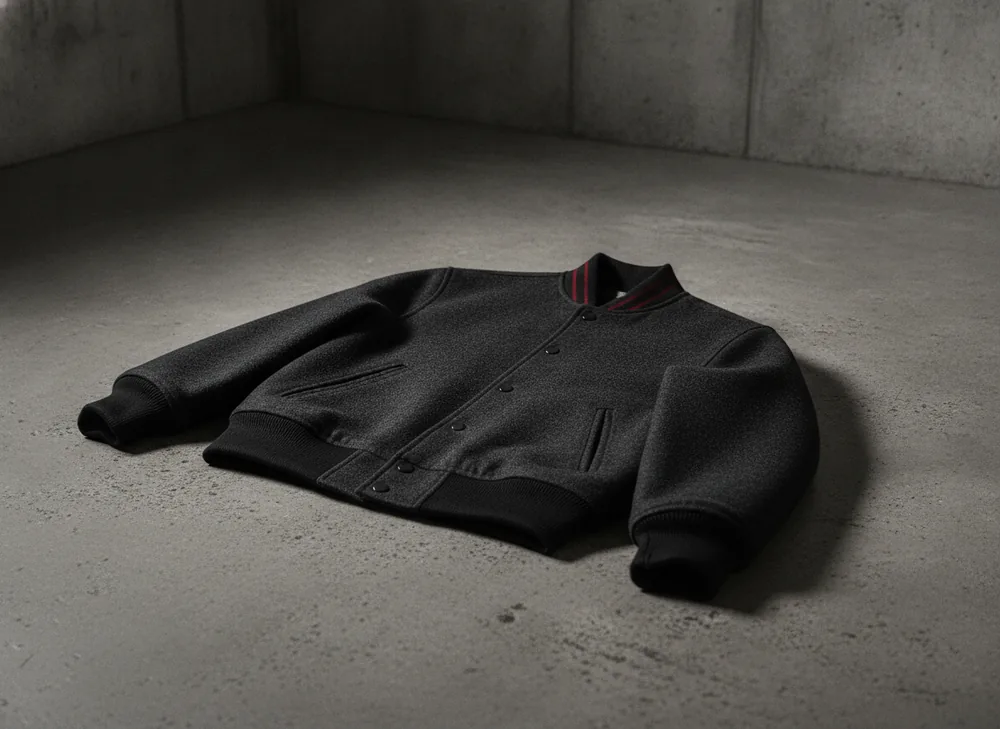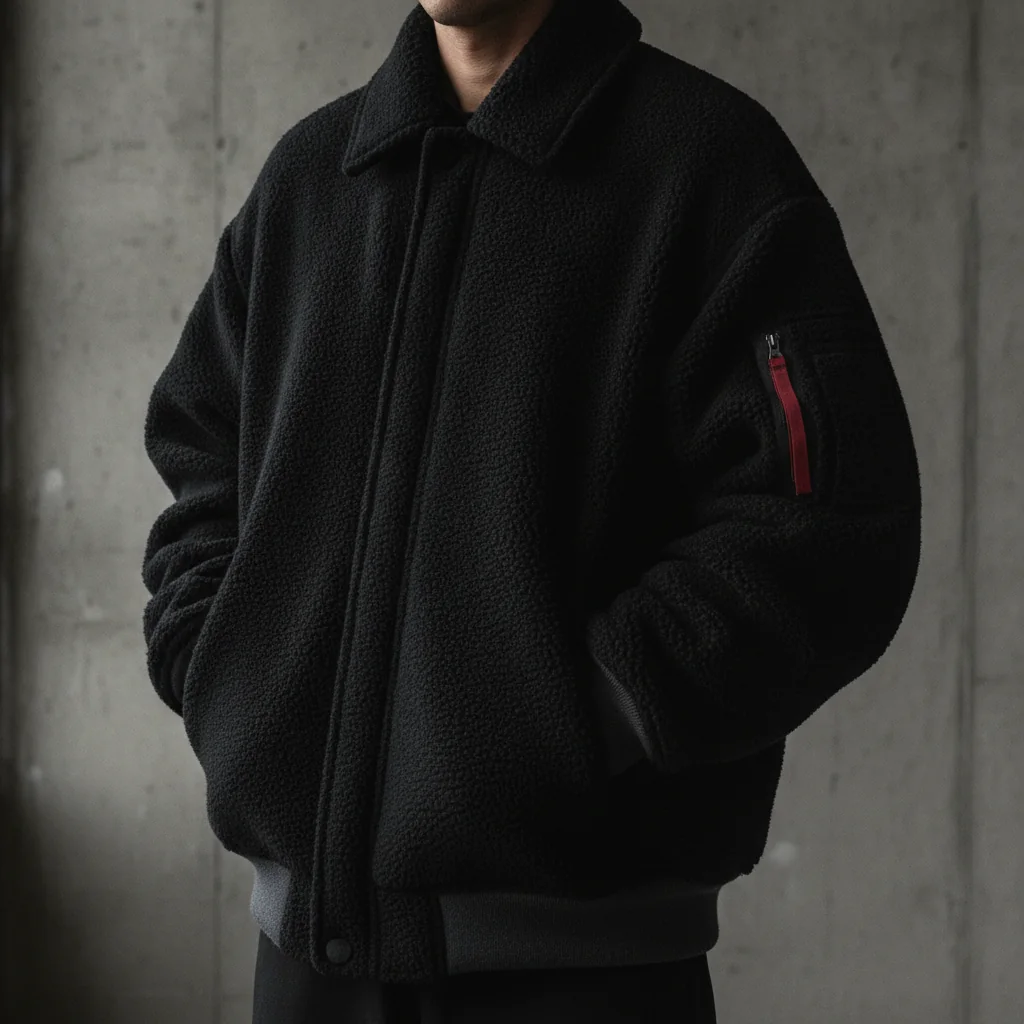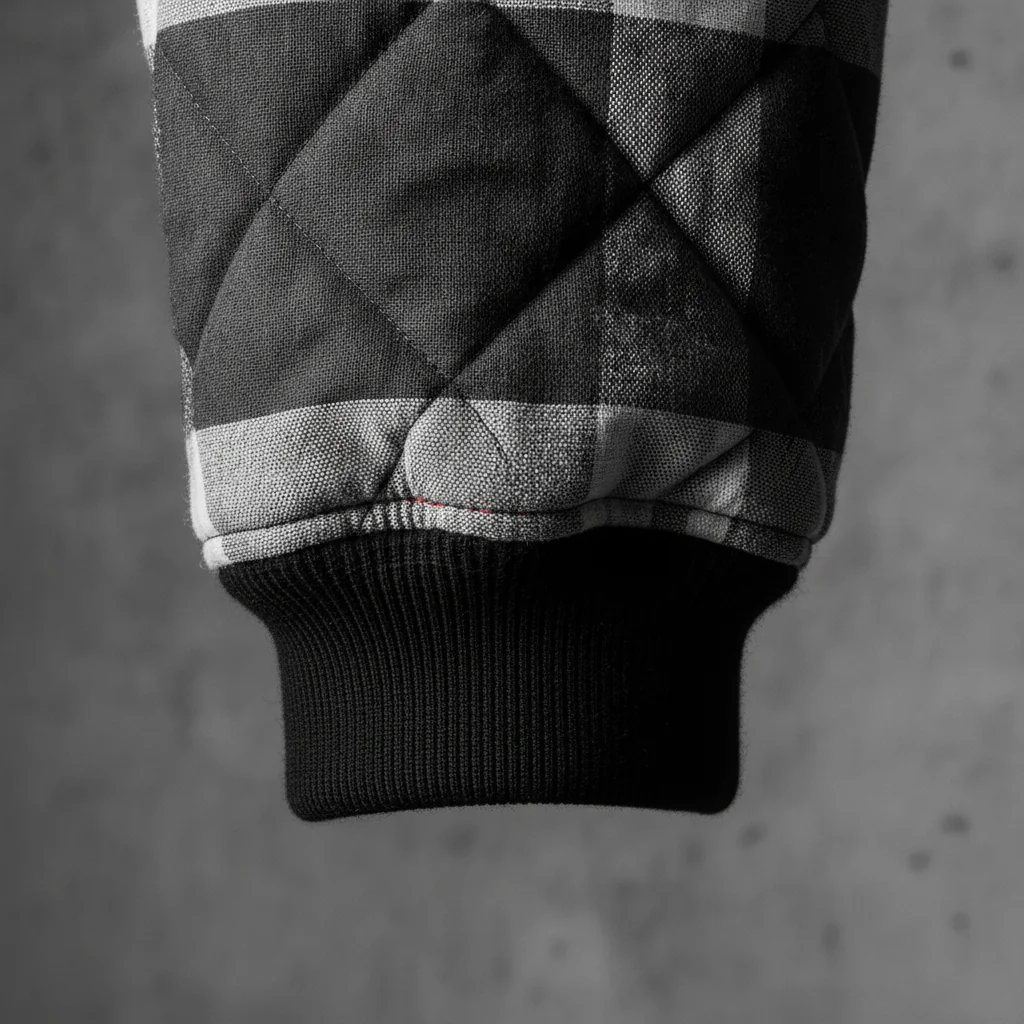
Minku Apparel is a custom windbreaker jacket manufacturer, building the lightweight, packable nylon shell silhouette from 50 pieces per design. A windbreaker runs an unlined or minimally lined build with taped or coated seams, a full-length zip, and an elastic hem and cuffs – a construction meant to fold into a small pack size and resist wind and light rain without the bulk of a puffer. Each jacket is sampled before bulk, finished with your private-label branding, and shipped worldwide DDP door-to-door to the USA, UK, and Europe.
The windbreaker has held a permanent place in streetwear because it solves a problem no other jacket in the range does – a shoulder-season or travel piece that adds real wind protection without weighing down a bag or a look. A brand can build a bold color-blocked windbreaker with a large back print, or a clean, tonal version finished with only a chest logo and a woven neck label, and both function as a genuine transitional-weather layer rather than a decorative shell.
What Defines a Windbreaker Jacket’s Construction
A windbreaker jacket is built from a lightweight ripstop or coated nylon shell, typically unlined or fitted with a mesh interior for airflow rather than insulation, closed with a full-length front zip rather than snaps. Taped seams at the shoulder and side seam keep wind and light rain from passing through the stitch line, while an elastic or drawcord hem and elastic cuffs seal the jacket close to the body. Most builds fold or stuff into an internal chest pocket, giving the piece a genuine packable, travel-ready function.
The shell fabric and seam treatment are the two specification points that separate a functional windbreaker from a light jacket that only looks the part – a taped seam adds a manufacturing step beyond a standard sewn seam, and we spec seam tape, zip type, and shell coating on your tech pack the same way we spec fleece weight on a hoodie, so the finished jacket performs to your reference rather than a generic supplier template.
Why Brands Choose a Windbreaker Jacket
The windbreaker suits brands wanting a genuine functional layering piece that extends a collection’s selling season into spring and fall, when a heavyweight puffer or bomber overheats but a customer still wants outerwear. Its packable, low-bulk build also suits a travel or athletic-crossover positioning, giving a brand a piece that pairs naturally with shorts and tees as easily as with a full outerwear look.
It’s also a strong margin piece relative to its construction cost, since a lightweight shell and minimal lining keep material cost lower than an insulated jacket while the piece still commands a real outerwear price point. For brands wanting a heavier, insulated companion piece in the same range, see our puffer jacket manufacturing program.
Shell Fabric and Water-Resistance Options
We build windbreaker shells in a ripstop nylon for a technical, tear-resistant finish with a matte surface, or in a coated nylon for genuine water resistance in wet climates, where a durable water-repellent finish sheds light rain rather than absorbing it. A lighter poly-taffeta shell suits a brand prioritizing a soft hand-feel and packability over technical waterproofing.
Seam taping is confirmed at sampling alongside shell coating, since a fully taped seam adds real water resistance that a standard sewn seam without tape does not provide. We confirm shell weight, coating, and seam treatment together so the finished jacket matches its intended climate rather than only its intended look.
Fits and Silhouettes You Can Spec
Windbreaker fit changes the jacket’s function as much as its look:
- Athletic fit: a closer, tapered silhouette built for movement and layering under a bag strap.
- Boxy oversized: a wider body and dropped shoulder for a heavier streetwear block, with the elastic hem creating volume at the waist.
- Cropped: a shortened body sitting at the waist, common on fashion-forward drops paired with wide-leg bottoms.
An oversized windbreaker with a dropped shoulder has become a frequently requested streetwear silhouette, and we build the shell-to-elastic ratio specifically to hold that shape without collapsing into a shapeless bag after a few wears.
Decoration Suited to a Windbreaker Jacket
The flat, tight-weave nylon shell holds screen print and heat transfer cleanly, making it a strong surface for a bold back graphic or an all-over print treatment across the body panel. Flat embroidery works well for a smaller chest logo, though puff embroidery is used more sparingly on this shell since a raised stitch can sit less flush against a lighter nylon than it would on twill or fleece.
Color-blocked panels sewn at the cut-and-sew stage, rather than printed on afterward, give a windbreaker a contrast sleeve or yoke without adding weight to the shell. See our screen printing manufacturing program or all-over print manufacturing program for the full decoration breakdown on a nylon shell.
Windbreaker Versus Coach Jacket
Windbreaker
Full-length zip, closer athletic fit, taped or coated seams for genuine wind and water resistance, built for performance first.
Coach Jacket
Snap-front closure, boxier fit, color-blocked panels, built for styling and screen-printed graphics over technical performance.
Brands wanting a broader lightweight-outerwear range often carry both – the windbreaker as a functional layer and the coach jacket as a styling piece. See our coach jacket manufacturing program for the snap-front, color-blocked build.
Hardware and Trim Detail
Zipper choice matters more on a windbreaker than almost any other jacket in the range, since a two-way water-resistant zip with a storm flap adds genuine function beyond a standard coil zip. We spec zip type, pull-tab design, and hem drawcord hardware on the tech pack, along with elastic cuff tension and hood construction where a hood is included.
Hood options run from a fixed hood with a cinch cord to a stowable hood that tucks into the collar, keeping the packed silhouette clean when the hood isn’t in use. We hold zip type and hood construction consistent across reorders by sourcing against the original approved sample reference.
Building a Windbreaker Into a Wider Outerwear Range
A windbreaker rarely stands alone in a brand’s outerwear lineup – it works best as the lightweight bookend to a heavier puffer or bomber, giving a customer a piece to reach for outside of peak winter without retiring outerwear from the rotation entirely. Brands running a three-season outerwear strategy typically pair a windbreaker for spring and early fall against a puffer for deep winter and a bomber or coach jacket for the shoulder months in between.
Matching trims and branding placement across that range – the same woven label, the same hem tag, a consistent chest logo position – ties the pieces together as one considered collection rather than a set of unrelated jackets. We can build a windbreaker alongside your other jacket styles in a single production cycle, keeping label sourcing and quality control consistent across the whole outerwear line.
Windbreaker Jacket Specification Menu
| Spec | Options |
|---|---|
| Shell fabric | Ripstop nylon, coated nylon, poly-taffeta |
| Seam treatment | Taped, standard sewn |
| Fit | Athletic, boxy oversized, cropped |
| Closure | Full-length zip, storm flap optional |
| Hood | Fixed, stowable, none |
| Branding | Screen print, all-over print, flat embroidery, woven label, hangtag |
MOQ, Sampling, and Private Label Branding
Minimum order is 50 pieces per design. Because seam taping and shell coating both need to be tested for genuine water resistance before bulk fabric is committed, the pre-production sample stage confirms fit, packability, and seam performance ahead of a full production run. Reorders are built against the original sample reference, holding shell color, seam treatment, and hardware finish consistent.
Each jacket ships with full private-label detail – a woven or printed interior label, a branded hem tag, custom hangtags, and packaging – so the finished piece reads as your product from first unboxing. See our private-label manufacturing program for the complete labeling and packaging range.
How Minku Manufactures Your Windbreaker Jacket
Production begins with your tech pack or a reference jacket covering shell fabric, seam treatment, fit, and decoration. We source the shell fabric and hardware to your confirmed spec, build a pre-production sample so you can test packability, seam performance, and fit, then move to bulk once you sign off. Cutting, sewing, and decoration run under quality control, with seam strength and taping consistency checked across the batch, before each jacket is finished with your labels and shipped Delivered Duty Paid.
DDP shipping means import duty and customs handling are already built into your landed price, so your windbreakers arrive at your door in the USA, UK, or Europe with no broker bill at the border. See our full custom jacket manufacturing program or get your custom quote to start a windbreaker jacket run.
Turnaround Time for a Windbreaker Jacket Order
A windbreaker jacket program moves through sampling faster than a heavier outerwear piece, typically 10 to 14 days, since a single lightweight shell fabric and standard hardware need less matching than a multi-fabric build like a varsity or denim jacket. Once you approve the pre-production sample – including a check of seam taping, zip function, and pack size – bulk production runs 3 to 4 weeks depending on order size, shell fabric, and decoration method.
DDP shipping adds your destination’s transit window on top – air freight typically runs 5 to 8 days to the USA and UK, and a similar range to mainland Europe. A first-time windbreaker order should plan on roughly 6 to 8 weeks from a confirmed tech pack to jackets at the door, while a reorder against the original approved shell and seam reference moves straight to bulk sourcing and shortens that window. See our jacket manufacturing timeline breakdown for a full stage-by-stage schedule, or our shipping program for DDP transit detail by market.
Custom Windbreaker Jacket Manufacturer | Minku Apparel — In Detail