Puff print raises your artwork off the garment in a soft, three-dimensional relief by expanding a special foaming ink with heat – it is the decoration method behind the bold, tactile front-chest hits and puffed lettering that define modern streetwear. Minku Apparel produces puff print in-house from 50 pieces per design, on heavyweight 240-400+ GSM cotton and fleece, with full private-label finishing and a sample approved before we run bulk.
This page explains what puff print is, how the foaming process works, how it differs from 3D puff embroidery, how it wears over time, and how our Pakistan factory ships finished orders DDP to your door in the USA, UK and Europe. If your design is ready, get your custom quote and we will map it for puff.
What Puff Print Is
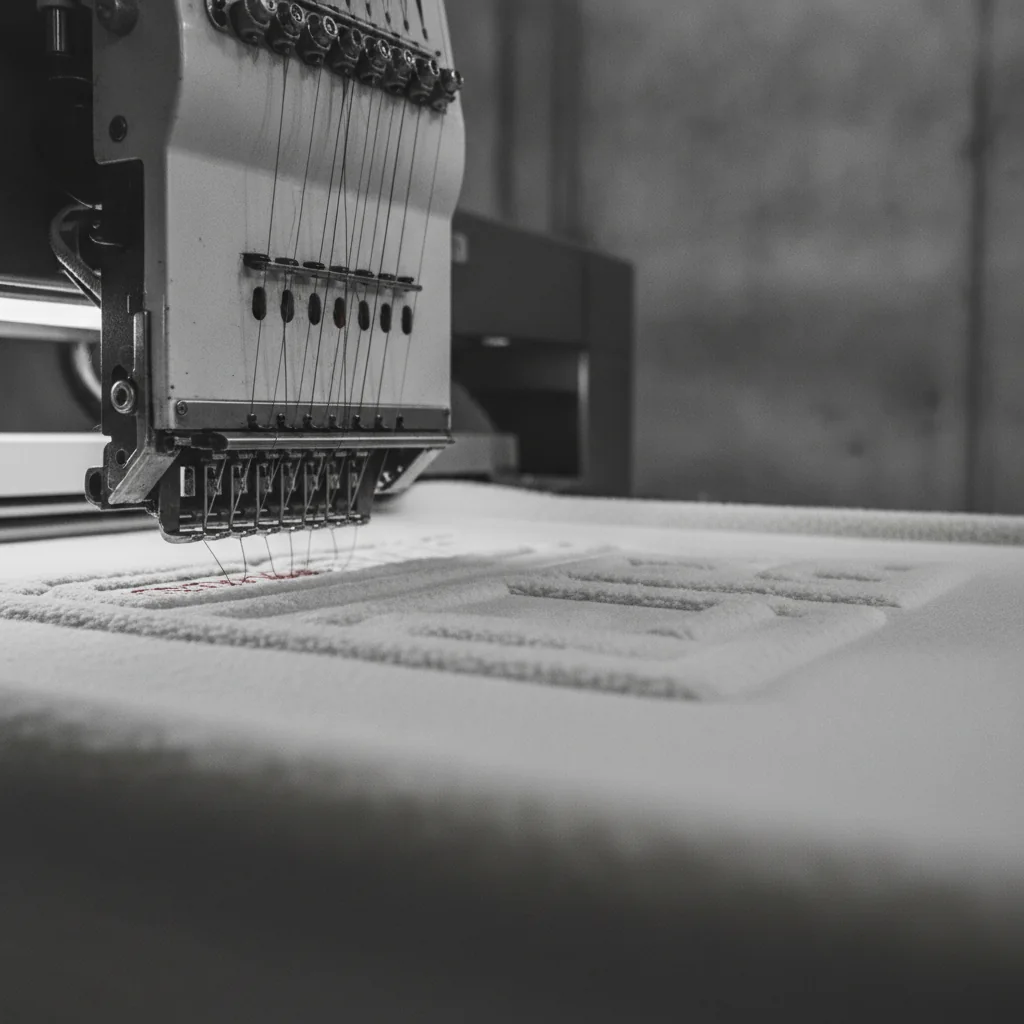
Puff print is a screen-printing technique that uses a foaming additive mixed into plastisol or water-based ink. When the printed garment passes through the heat cure, the additive expands and lifts the ink into a raised, rounded, three-dimensional shape. The result is a print you can feel – bold letters and shapes that stand off the fabric with a soft, spongy hand.
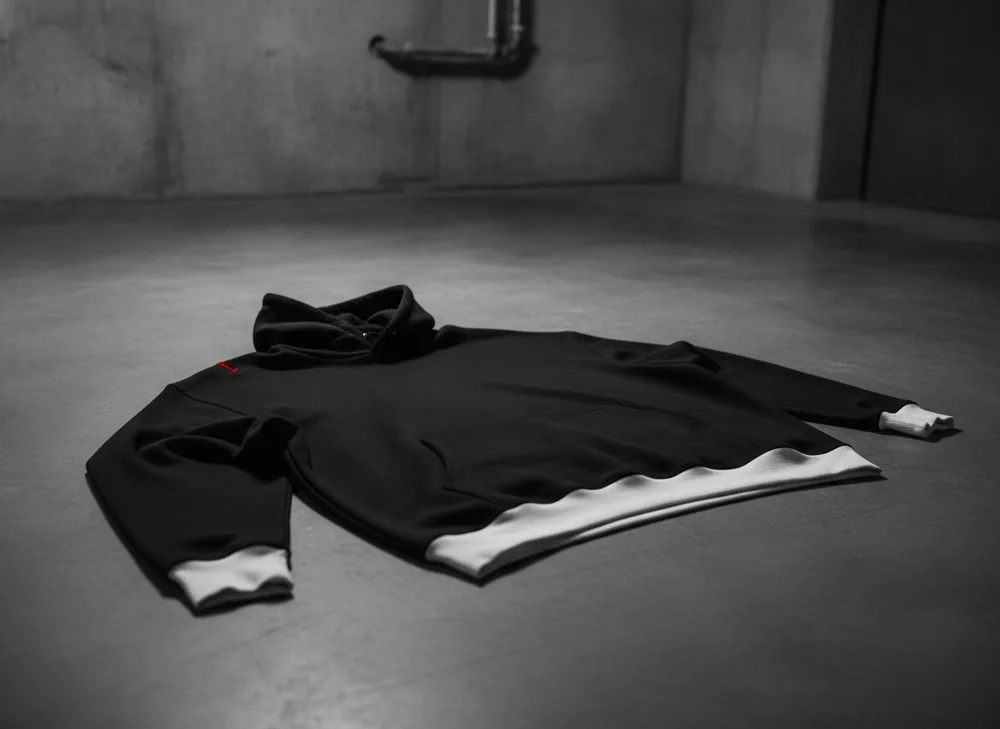
For streetwear and apparel brands, puff print delivers a premium, statement look that flat printing cannot. It reads as considered and high-value, which is why it appears on drop-defining hoodie chest hits, sleeve text and back graphics. The dimensionality catches light and shadow, giving a garment presence on a rail and on camera.
Every Minku puff order is printed on garments we cut and sew ourselves, so fabric, ink and cure are controlled in one factory. That control is what keeps the puff height and edge quality consistent from a first run to a reorder.
How Puff Print Works, Step by Step
The process builds on screen printing, so it starts the same way. First, artwork is separated and a screen is prepared for each puff element. Puff works best on bold, chunky shapes and thick lettering, so the design is set up to give the foaming ink enough surface to rise cleanly without losing edges.
Second, the foaming ink is mixed and printed through the screen onto the garment. The ink is laid at a controlled thickness, because deposit depth influences how high the print puffs. Third, and this is the defining step, the garment passes through the heat cure. As temperature rises, the additive activates and the ink expands into its raised form.
Fourth, the piece is inspected for even rise, clean edges and full cure, then finished with your private-label tags and packaged. Puff height and softness are tuned during sampling, so you approve the exact relief and hand-feel on your real fabric before we print bulk. That sampling step is what separates a controlled puff from an uneven one.
Puff Print vs 3D Puff Embroidery
Brands often ask which raised method to use. Both add dimension, but they are built differently and suit different designs. The table below breaks down the choice.
| Factor | Puff Print | 3D Puff Embroidery |
|---|---|---|
| Build | Foaming ink raised by heat | Thread over foam base |
| Hand-feel | Soft, spongy relief | Firm, textured stitch |
| Best for | Bold shapes, thick lettering | Caps, logos, chest marks |
| Coverage | Larger graphics economical | Small to medium marks |
| Cost driver | Screens and print size | Stitch count and size |
| Look | Contemporary streetwear | Premium, heritage |
We produce both under one roof, so you can assign puff print to the big front graphic and puff embroidery to the cap or chest logo. See our embroidery capability for the stitched version.
When to Use Puff Print
Reach for puff print when you want a bold, tactile statement on a limited number of colors. Thick display lettering, chunky logos, outlined shapes and large front or back hits are ideal, because the foaming ink needs solid surface area to rise cleanly. A single-color or two-color puff on a heavyweight hoodie is a classic streetwear move.
Puff also suits brands that want their decoration to feel considered rather than mass-produced. The raised finish signals a higher price point and gives a plain garment instant character. It photographs with depth, which helps a product page communicate quality before a customer touches the piece.
Where puff is not the answer is fine detail, small text, gradients or photographic artwork, which the foaming ink cannot hold. For those designs we recommend DTG or standard screen printing, and often a combination. Matching method to design is part of how we protect the finished look.
Quality, Durability and Fabric Fit
A properly cured puff print holds its raised shape and color through dozens of washes when the garment is washed cold, inside out, and dried low. Durability depends on correct ink deposit, full activation of the foaming additive and a complete cure – controllable factors we lock in during sampling and hold across the run.
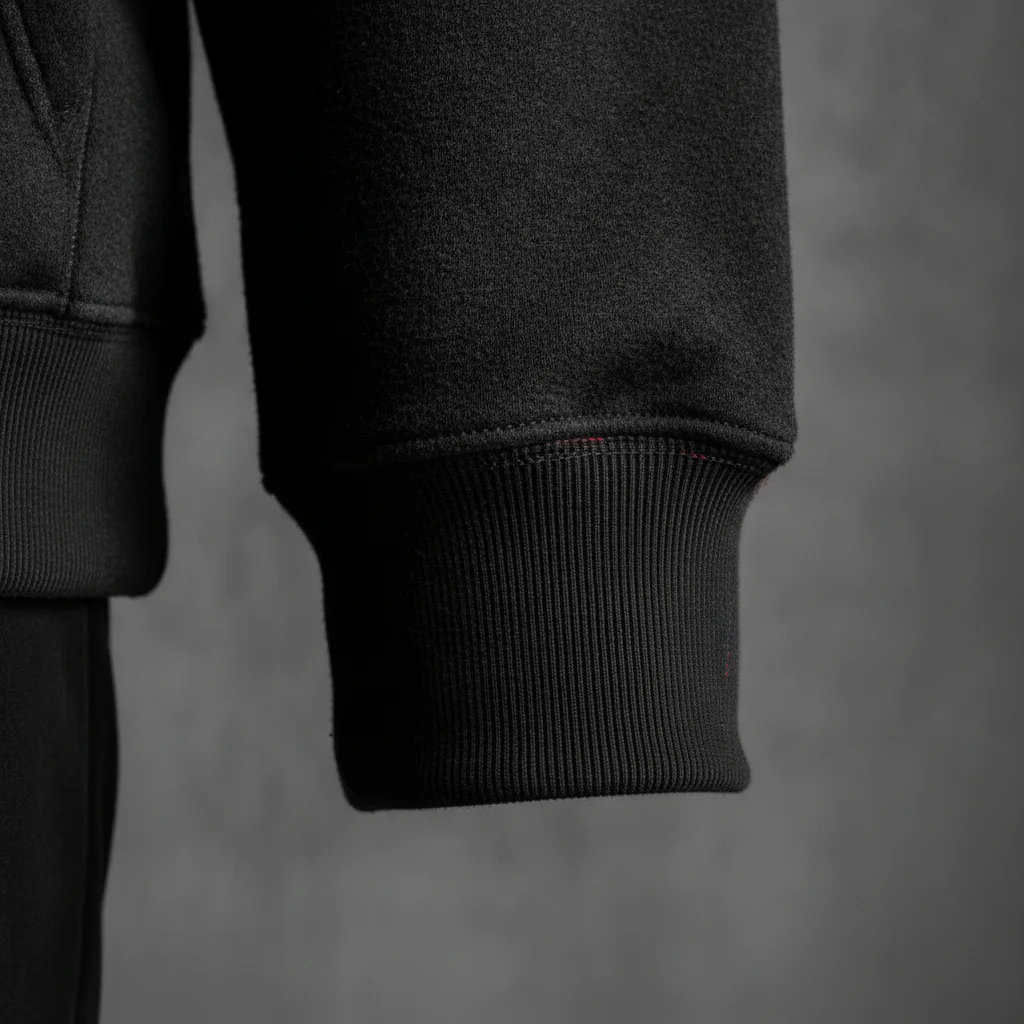
Because we control the blank, we match puff to fabrics that carry it well. Heavyweight cotton fleece and terry give the print a stable, dense base, so the relief sits proud and even. Our 240-400+ GSM range is built for exactly this kind of bold decoration. On lighter or stretchy fabrics we tune deposit and cure to keep the puff clean.
Every run is backed by a quality guarantee and documented QC at screen, print and cure stages. If a sample does not rise evenly or hold to spec, we correct the process before a single bulk piece is printed, so the approved sample is the standard.
Combining Puff With Other Methods
The strongest streetwear garments layer decoration, and we build these combinations into one production flow. A common build pairs a puff-print hit on the chest or back with a flat screen print or DTG graphic elsewhere, mixing raised and flat textures on a single piece for depth.
You can also combine puff with embroidery, woven labels and patches, because each method is a station inside our factory rather than a separate vendor. That keeps the garment in one building from cut to pack and removes the delay and color-drift risk of splitting decoration across suppliers.
When methods combine, sampling proves how puff interacts with the other decoration and the fabric before bulk. We sample the full combination so the finished piece is exactly what your customer receives on the rail.
MOQ, Cost and Turnaround
Our puff-print MOQ is around 50 pieces per design, so new brands can launch a statement product without oversized quantities. Because puff builds on screen printing, cost is driven by the number of colors, the screens set up and the print size, and per-unit cost drops as quantity climbs and the setup spreads across more garments.
On value, we compete on the cleanness of the rise, the quality of the blank and consistent results across reorders, never on being the lowest number. We ship worldwide DDP door-to-door, so duties and freight are handled and your order clears customs without an import broker. Turnaround runs fast once your sample is approved.
For price drivers across every decoration method, see our custom clothing manufacturing hub, then send your artwork to lock a quote.
How Minku Runs Puff Print In-House
Screen prep, printing, curing, QC and private-label finishing all happen under one roof at our certified Pakistan factory. That vertical control is why our puff height and edge quality stay consistent across reorders, and why we can promise a sample that matches bulk. Reach us on WhatsApp at +923404001486 or email hello@minkuapparel.com to start.
You send artwork and a tech pack; we set it up for puff, print a pre-production sample, tune the rise and hand-feel, and hold the approved sample as the production standard. Explore heavyweight blanks on our custom hoodie page, then get your custom quote with your design and quantity, and we will confirm fabric, method and DDP delivery to your market.
Puff Print for Clothing Brands | Minku Apparel — In Detail