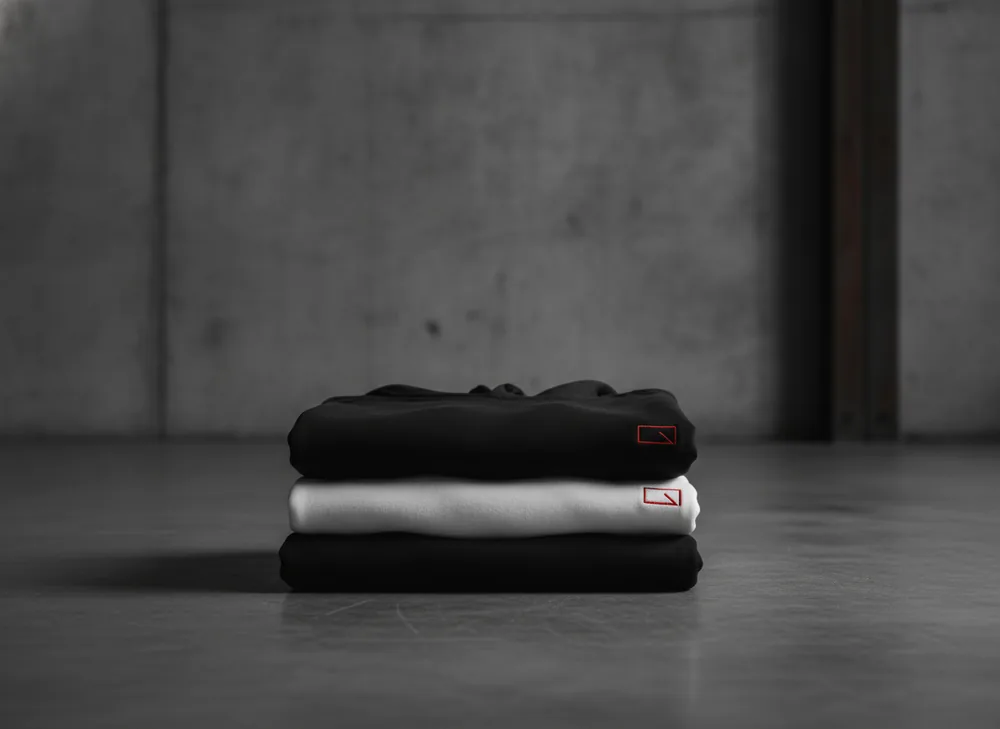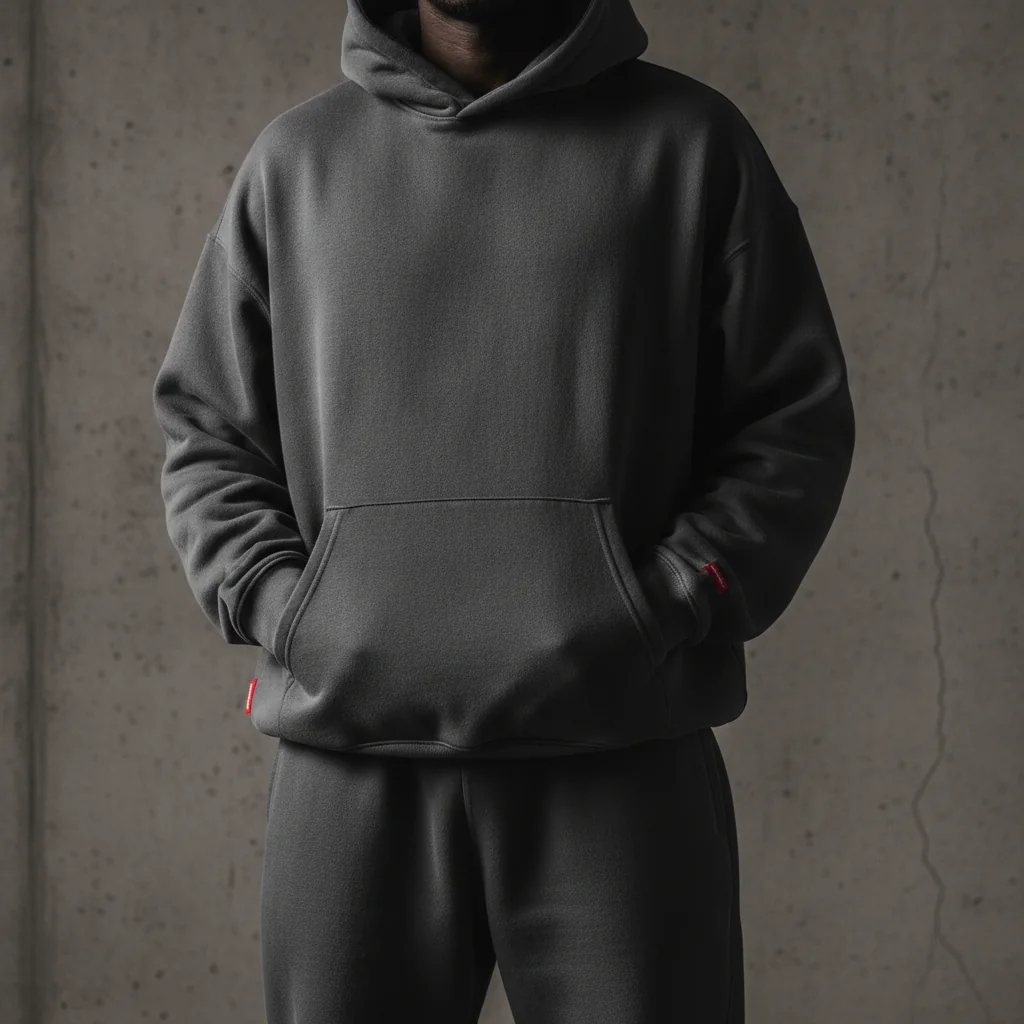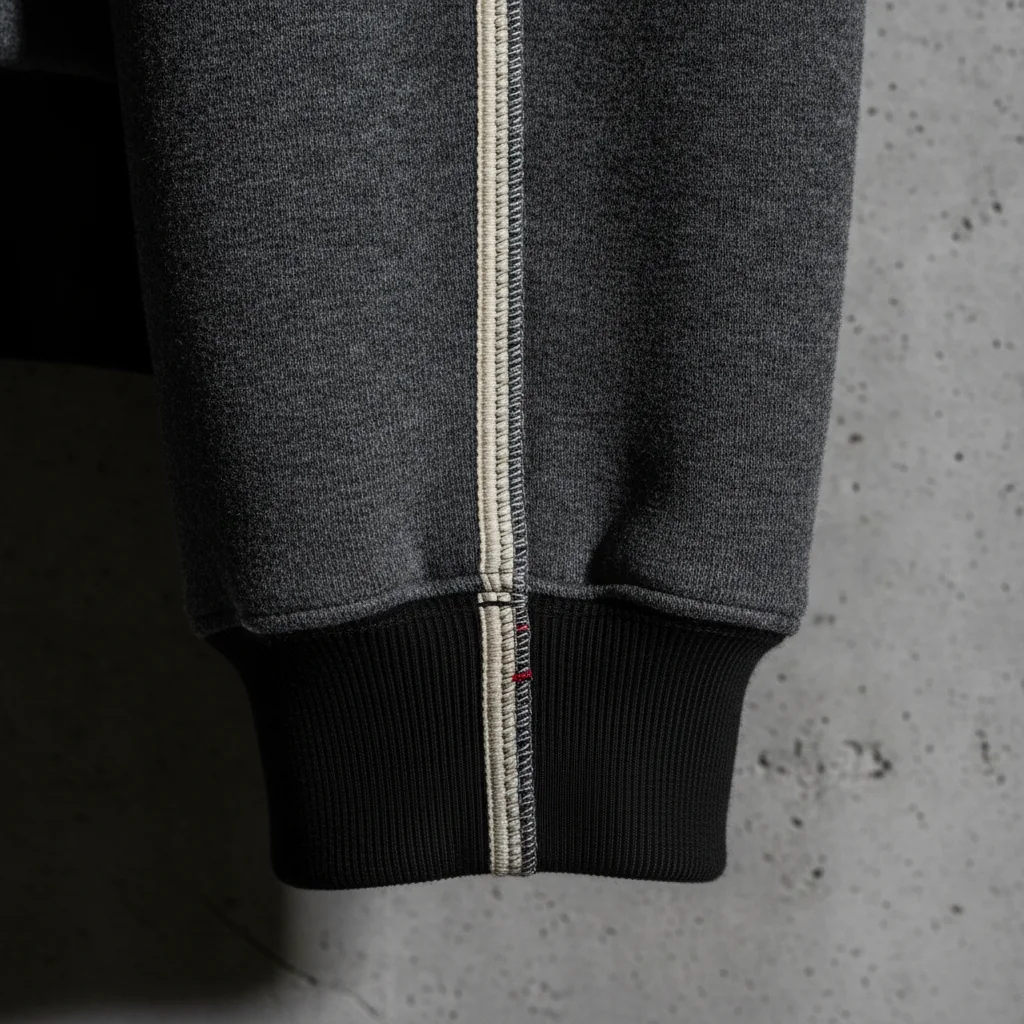
Custom sweatsuits typically cost $16 to $34 per matching set to manufacture in 2026, with the final number driven by fabric GSM, decoration method, and private label finishing rather than order size alone. A 280 GSM screen-printed set with standard private labeling sits toward the lower end of that range, while a 380+ GSM garment-dyed set with embroidery and premium packaging sits toward the top. These figures cover manufacturing cost only, not DDP shipping or your own margin.
Cost breakdown at a glance
| Cost driver | Lower-cost setup | Higher-cost setup |
|---|---|---|
| Fabric GSM | 240-280 GSM cotton-poly blend | 340-400+ GSM ring-spun cotton fleece |
| Decoration | Single-color screen print | Embroidery, puff print, or combined methods |
| Wash finish | None (plain dyed fabric) | Garment dye, acid wash, or tie-dye |
| Private label | Standard woven label and hang tag | Premium packaging, multiple trim pieces |
Fabric cost: the biggest line item
Fabric is the single largest input cost on a sweatsuit set, since a crewneck-and-jogger combination uses more material than a single t-shirt. Heavier GSM fabric costs more per yard – a 380 GSM cotton fleece uses meaningfully more raw material than a 240 GSM cotton-poly blend at the same pattern size, and that difference compounds across a two-piece set. Fiber content matters too: 100% ring-spun cotton typically costs more than a cotton-poly blend, but takes garment dye and acid wash finishes more predictably.
Decoration cost by method
Screen printing carries a setup cost per design (screens, ink mixing) that spreads across the run, making it cost-efficient at real volume for simple 1-3 color graphics. DTG carries close to zero setup cost but a flat per-unit ink cost that does not drop with volume, suiting smaller runs of detailed or multi-color artwork. Embroidery and puff print or puff embroidery cost more per unit than a basic screen print due to stitch count and machine time, but add a tactile, premium finish that many brands consider worth the difference on a chest logo or sleeve placement.
Private label and packaging cost
A woven neck label, printed care label, and standard hang tag are included as part of Minku’s base private label offering. Brands wanting a more premium packaging build – a printed box instead of a polybag, a foil-stamped hang tag, tissue paper inserts – add a modest per-unit cost, which is worth budgeting for separately from the core fabric and decoration numbers above since it affects unboxing experience more than product quality.
MOQ and how order size changes cost per unit
At Minku’s 50-piece MOQ per design, per-unit cost sits closer to the higher end of any given fabric-and-decoration combination, since fixed costs like screen setup or sampling amortize across fewer units. Orders in the 150-300 piece range typically see per-unit cost drop 10-20% versus a 50-piece run of the identical spec, as those fixed costs spread wider. Beyond roughly 500 pieces, the marginal cost reduction per additional unit becomes smaller, since fabric and labor cost per piece are already close to their floor.
Shipping (DDP) cost considerations
DDP shipping bundles freight, duty, and customs clearance into one predictable line item rather than leaving a brand to estimate a separate customs bill on arrival. Air freight cost scales with order weight and volume – a 50-piece sweatsuit order ships at a higher per-unit freight cost than a 300-piece order on the same route, simply because fixed freight charges spread across more units. Requesting a landed cost quote (manufacturing plus DDP shipping combined) rather than a factory-gate price alone gives a brand the number that actually matters for pricing decisions.
Sample and tech pack costs
A pre-production sample carries its own cost separate from the bulk per-unit price, since it involves the same cutting, sewing, and decoration setup as a full run but produces only one or two pieces. This cost is a normal part of custom manufacturing and should be budgeted as a one-time expense per design rather than averaged into the bulk per-unit figure.
How currency and market affect landed cost
Brands in the USA typically receive quotes in USD, while UK and European brands can request GBP or EUR pricing depending on the platform used for invoicing. The underlying manufacturing cost stays consistent across markets, but currency conversion and local payment processing can shift the final number slightly – worth confirming at the quote stage rather than assuming a flat conversion from a published USD range.
A real cost example
A brand ordering 100 matching sweatsuit sets in 320 GSM cotton fleece, with a single-color screen-printed front logo and standard private labeling, landed near the middle of the $16-$34 range per set at manufacturing cost, before DDP freight was added. The same brand’s second design – a garment-dyed set with embroidered sleeve detail and premium boxed packaging – landed toward the top of the range, reflecting the added fabric prep, embroidery machine time, and packaging upgrade.
How cost compares across sweatsuit styles
Not each sweatsuit set uses the identical construction, and that affects cost too. A crewneck-and-jogger combination is generally the most cost-efficient sweatsuit format, since both pieces use straightforward panel cutting. A hoodie-and-jogger set adds cost for the hood, drawcord, and kangaroo pocket construction on the top piece. A three-piece set – top, jogger, and a shorts or vest add-on – scales cost roughly in proportion to the added garment, though shared fabric sourcing and a single decoration setup across the set can offer a modest efficiency versus manufacturing each piece as a separate order.
Hidden costs brands sometimes overlook
Beyond fabric, decoration, and private label, a few line items are easy to overlook when budgeting a first order: a lab dip fee for a custom color match on garment dye or a brand color outside standard cotton shades, a size-run grading fee if your tech pack requires an unusual size range beyond S-2XL, and a reasonable buffer for wastage during cutting, which factories typically account for automatically but is worth confirming is included in a quote rather than billed separately after the fact.
Comparing cost against wholesale or blank alternatives
A brand comparing a custom sweatsuit quote against a wholesale blank price should account for what the wholesale price does not include: private labeling, in-house decoration coordination, and a documented sampling process. A wholesale blank priced lower per unit at first glance often requires a brand to pay a separate decorator, source its own labels, and accept whatever fit and fabric the supplier stocks – once those add-ons are priced in, the total cost gap between wholesale and custom manufacturing narrows considerably, and the custom route delivers a more differentiated finished product for a comparable total spend.
How to budget your first sweatsuit order
A practical way to budget a first order is to multiply the estimated per-set manufacturing cost by your target quantity, add a DDP shipping estimate based on order weight, then add the one-time sample cost as a separate line item on top. For a 100-piece order at roughly $22 per set manufacturing cost, that budget structure looks like $2,200 in manufacturing, a DDP shipping estimate that scales with weight and destination, and a modest one-time sample fee – giving a founder a realistic total rather than a per-unit number that quietly excludes shipping and sampling.
Regional cost considerations for USA, UK, and Europe brands
Manufacturing cost itself does not change based on a brand’s home market, since fabric and labor cost are tied to the factory’s location rather than the buyer’s. What does vary by market is the DDP shipping and duty handling: USA and UK shipments typically move in 5 to 8 days with duty and customs handled under DDP terms, while shipments to mainland Europe run 6 to 9 days with EU import VAT similarly covered. Brands budgeting a landed cost should request a quote specific to their shipping destination rather than assuming a flat shipping estimate across all three regions.
Common cost mistakes brands make
The most frequent mistake is comparing a factory-gate quote from one manufacturer against a landed-cost (DDP-inclusive) quote from another, which makes the DDP quote look higher when it is actually more complete. The second common mistake is specifying a decoration method before confirming fabric weight, then discovering the two do not pair well – puff embroidery on a light 220 GSM set, for example, does not hold its texture the way it would on 340+ GSM fleece. Pricing a retail product before getting an actual quote, based on a guess at manufacturing cost, is the third mistake that most often leads to a margin surprise once real numbers come back.
How to get an exact quote
Manufacturing cost depends on the specific combination of fabric, decoration, and finishing a brand chooses, so a precise number requires sending (or building with us) a tech pack rather than relying on a general range. Minku provides a landed-cost quote covering manufacturing and DDP shipping together, based on your fabric, decoration, and order size, so the number you plan your retail pricing against is the number you will actually pay.
See custom sweatsuit manufacturer for our full sweatsuit range, how to price custom sweatsuits for turning this cost into a retail price, or MOQ and pricing for how order size affects cost across our product lines. Ready for an exact number on your design? Get Your Custom Quote.
How Much Does It Cost to Manufacture Custom Sweatsuits? (2026) — In Detail