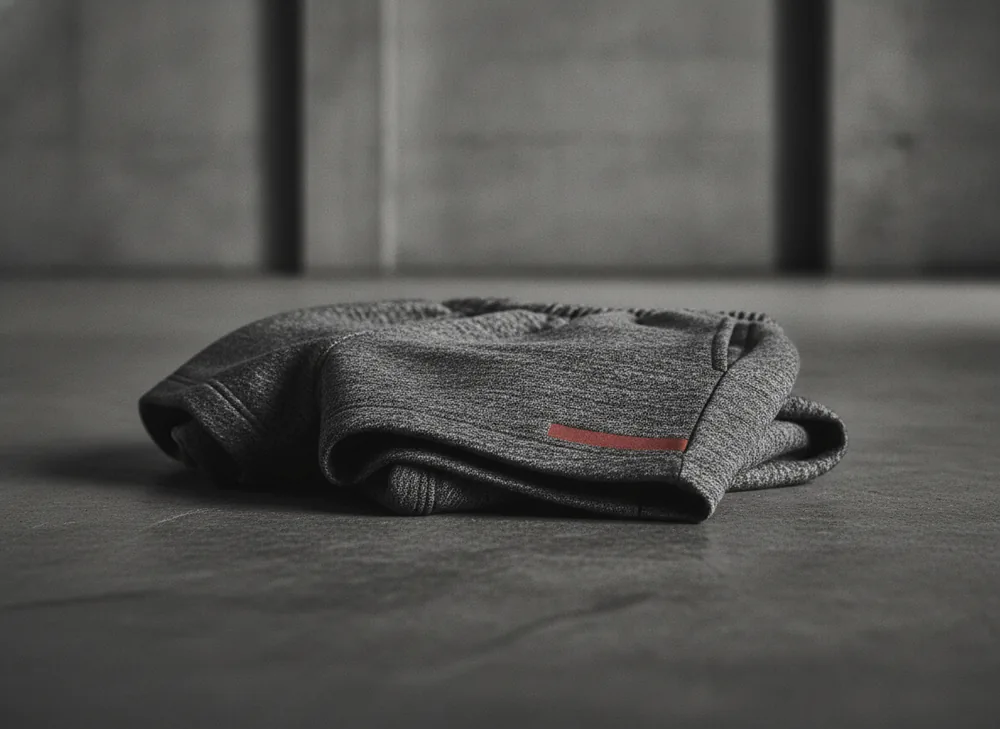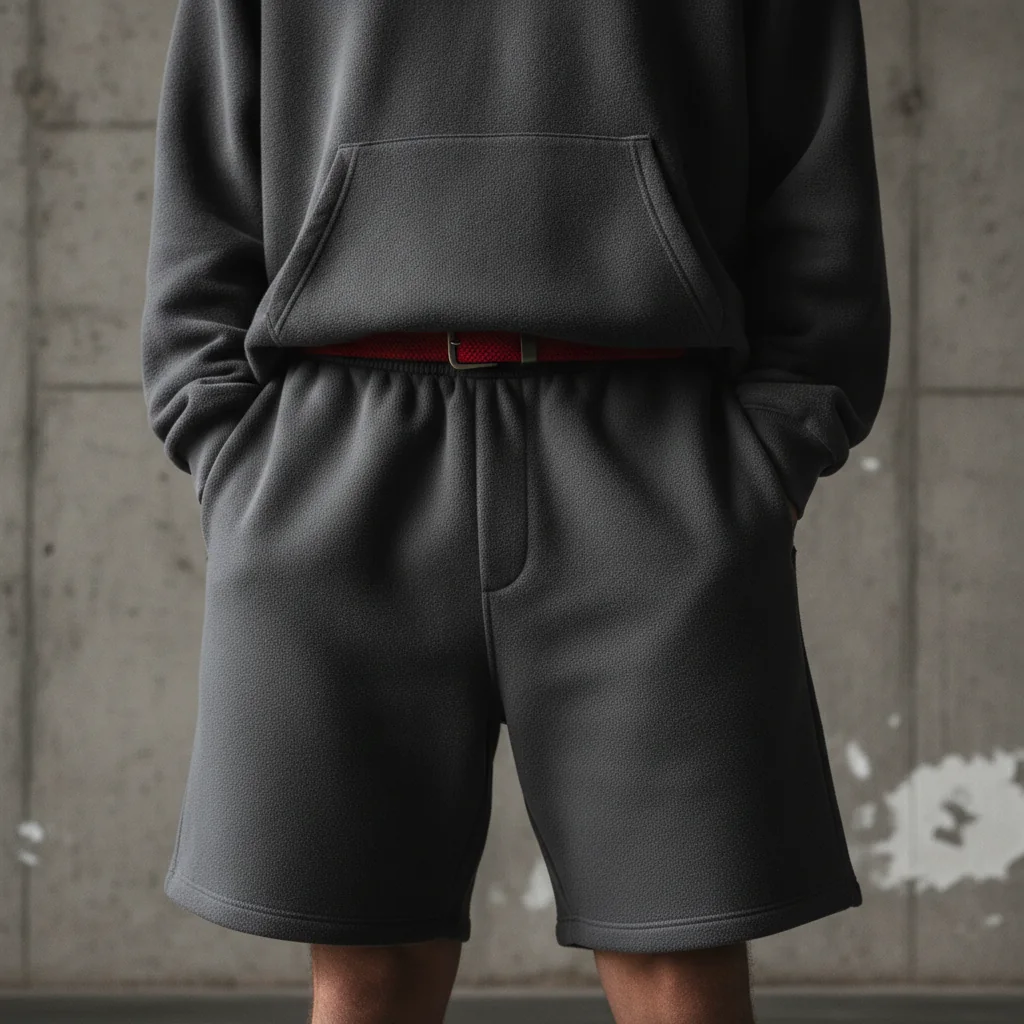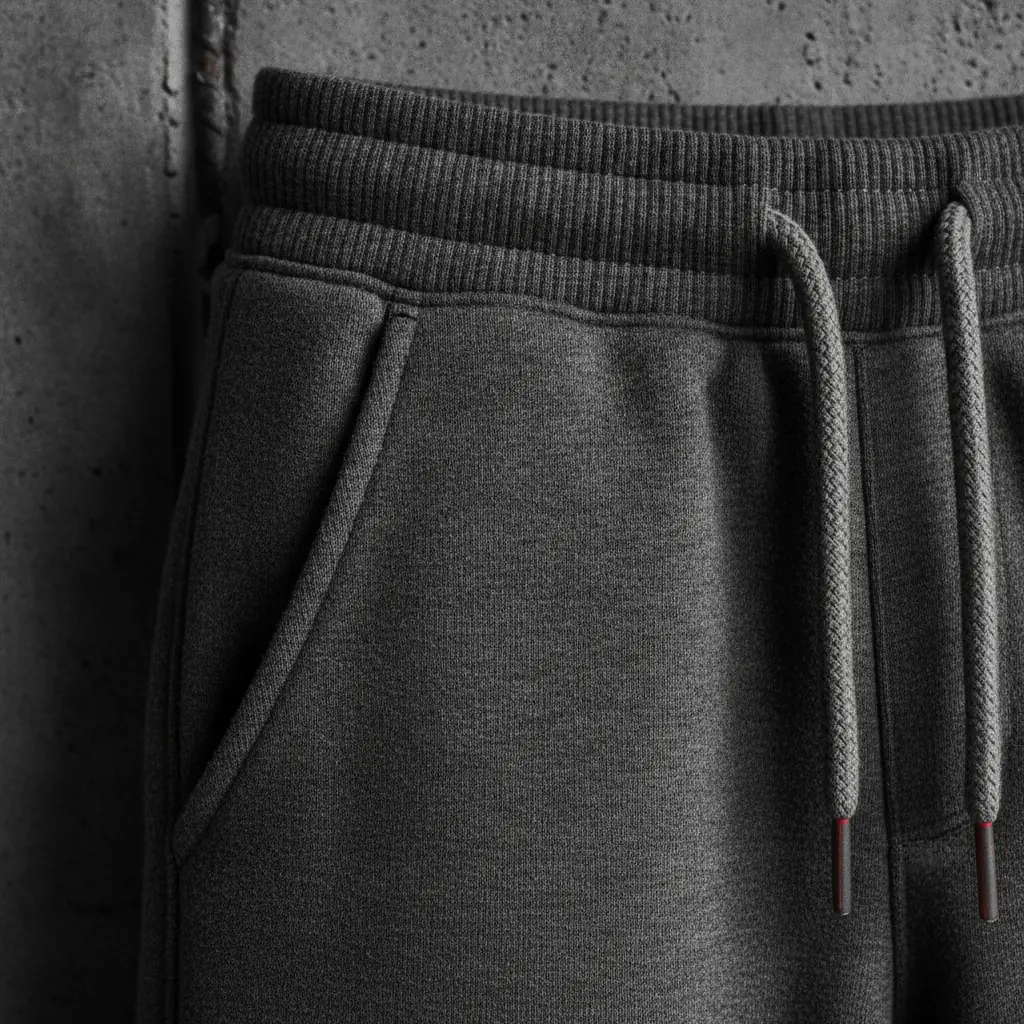
A premium custom shorts comes down to four things: heavyweight fabric (300+ GSM for fleece or terry styles), reinforced construction, a decoration finish that holds up across repeated washes, and full private-label detail – not a higher price tag on its own. A short built on thin fabric with a single line of stitching and a printed-on tag can carry the same retail price as a premium one, but it won’t feel or wear like one.
Streetwear customers can feel the difference between a premium garment and a mass-market one within seconds of picking it up, even before they see a label. That feel comes from specific, measurable construction and fabric decisions – not marketing language – and each one of them can be specified in a tech pack before a single pair is cut.
Fabric Weight Is the First Signal of Premium Quality
GSM (grams per square meter) is the clearest, most objective marker of fabric quality in a short. A 180 to 220 GSM lightweight cotton reads as a basic, mass-market garment. A 300 to 400+ GSM heavyweight French terry or fleece has real structure and drape – it holds its shape on the hanger, resists pilling across washes, and feels substantial in hand. For cargo or basketball-style shorts in cotton twill, 240 to 280 GSM is the premium range; below that, the fabric tends to feel thin and see-through under stress.
Construction Details That Separate Premium From Basic
Double-stitched seams at the inseam and waistband hold up to repeated wear and washing far better than a single pass of stitching. A reinforced waistband – whether elastic, drawcord, or belted – with bar-tacked stress points at the pockets prevents the tearing that shows up first on a mass-market short. Pocket bags in a matching or complementary fabric, rather than a thin lining that shows through, is a small detail that reads as considered rather than rushed.
Decoration Finish Quality
A premium screen print sits flat with clean edges and no cracking after wash – achieved through correct ink curing and plastisol or water-based ink chosen to match the fabric. Premium embroidery has consistent stitch density with no visible thread breaks or puckering in the fabric around the design. Garment dye and acid wash finishes, done correctly, produce even color distribution or intentional mottling without harsh chemical smell or uneven patchiness that reads as a manufacturing defect rather than a style choice.
Premium Custom Shorts
300 to 400+ GSM French terry or 240 to 280 GSM cotton twill. Double-stitched seams, bar-tacked stress points, matching pocket bags. Screen print or embroidery with clean, durable finish. Woven neck label, printed hangtag, branded packaging.
Basic Mass-Market Shorts
180 to 220 GSM thin cotton blend. Single-pass stitching, no reinforcement at stress points, thin unlined pockets. Printed-on transfer graphics that crack after a few washes. Printed care label sewn in as the only branding.
Private Label Detail as a Premium Signal
Full private label – a woven neck label rather than a printed one, a branded hangtag, a care label with your own brand name, and packaging that carries your brand from the first unboxing moment – signals a considered product before the customer even tries the short on. This is one of the least expensive ways to add a premium feel, since the cost difference between a printed and woven label is small relative to what it communicates.
Fit Precision
A premium short holds a consistent fit across each unit and each reorder – the waistband sits the same, the inseam measures the same, the rise measures the same. This consistency comes from an accurate tech pack, a properly graded pattern across the size range, and a factory that checks measurements at multiple points during production rather than only at final QC. Inconsistent sizing between reorders is one of the fastest ways a brand loses customer trust.
How Fabric and Decoration Choices Interact
Certain combinations amplify a premium feel more than others. A heavyweight French terry sweat short paired with tonal embroidery reads as elevated streetwear rather than basic athletic wear. A cotton twill cargo short paired with a garment-dyed finish and a woven waistband label reads as considered, small-batch production rather than mass-manufactured stock. Matching your fabric choice to your decoration method – rather than choosing them independently – is where a lot of the premium feel actually comes from.
What Doesn’t Make a Short Premium
A higher retail price alone does not make a short premium if the fabric is thin, the seams are single-stitched, and the labeling is a printed tag. Customers who have handled genuinely premium garments notice the gap between price and construction quickly, and that gap shows up in returns and lost repeat business rather than in the first sale.
Real Example: Elevating a Basic Cargo Short to Premium
A brand initially specified a 200 GSM cotton twill cargo short with a single-color print and a printed sew-in label. After a fabric and construction review, the same design was rebuilt at 260 GSM twill with double-stitched seams, bar-tacked pockets, a woven waistband label, and a printed hangtag – a change that added roughly 1.20 dollars per pair in landed cost but let the brand price the finished short at a meaningfully higher retail point.
How Minku Builds Premium Custom Shorts
Each fabric, construction, and decoration choice on our line sheet is built toward a premium hand-feel and durability standard, and we walk each brand through the specific GSM, stitching, and labeling choices that move a short from basic to premium before a single pair is cut. See our full custom shorts manufacturing capabilities, review MOQ for a premium shorts run, or get your custom quote built around a premium fabric and construction spec.
How Premium Positioning Affects Reorder Consistency
A premium short is only as good as its worst reorder. Brands that build a reputation on heavyweight fabric and clean construction lose that reputation quickly if the third reorder arrives in a slightly lighter fabric weight or a visibly different wash tone. Locking fabric GSM, dye lot references, and construction specs in a written tech pack – rather than relying on memory of what “looked right” the first time – is what keeps a premium short premium across every future production run, not only the first one.
Testing Premium Quality Before You Commit to Bulk
The only reliable way to confirm a fabric and construction spec actually delivers the premium hand-feel you are picturing is to hold a physical pre-production sample before bulk fabric is cut. Photos and fabric swatches alone cannot show how a 320 GSM French terry drapes on a finished waistband, or how a garment-dye finish settles once the full short is washed and dried. Request a sample of your exact fabric, construction, and decoration spec before committing to a bulk order, so any change to weight, stitching, or finish happens on one garment rather than two hundred.
Premium Perception Across US, UK, and European Buyers
What reads as premium shifts slightly by market. US streetwear buyers respond strongly to heavyweight fleece and oversized construction, where fabric weight is often the first thing a customer checks by hand. UK buyers, shaped by a terrace and grime-adjacent streetwear heritage, respond to construction detail and a considered, understated branding approach over loud graphics. European buyers, particularly in fashion-forward cities, often weight fit and silhouette precision as heavily as fabric weight itself. None of these preferences change the underlying fabric and construction standards that define a premium garment – they change which detail you foreground in your marketing and product photography for each market.
Auditing an Existing Sample Against a Premium Checklist
Before approving any pre-production sample, run it through a short physical checklist: pull gently on the waistband seam to check the stitch density holds under tension, check that pocket bags sit flat without puckering the outer fabric, feel the fabric for consistent weight across the panel and hem, and check the print or embroidery edge under a bright light for cracking, thread breaks, or uneven ink coverage. A sample that passes all four checks is genuinely ready for bulk; a sample that fails even one is worth a second round before 200 pairs are committed to the same construction fault.
Packaging as the Final Premium Touchpoint
The unboxing moment is the last chance to reinforce a premium impression before the customer even puts the shorts on. A branded polybag or a printed mailer box with tissue paper and a thank-you card costs a modest amount over a plain poly sleeve, but it signals the same care and attention that went into the fabric and construction choices upstream. Brands that invest in heavyweight fabric and clean stitching but ship in a generic clear bag with no branding leave a gap between the product quality and the presentation quality that customers notice.
What Makes a Premium Custom Shorts? — In Detail