Full package production (FPP) is a manufacturing model where the factory sources all materials and handles the whole build – fabric, trims, cutting, sewing, decoration and labeling – and delivers a finished garment from your design alone. It is the model most new and scaling streetwear brands use, because it removes the hardest part of manufacturing: sourcing the right fabric at a workable minimum.
Under full package, a brand supplies a design and a tech pack; the factory supplies all remaining inputs needed to turn that spec into a completed, private-labeled garment. This is the opposite division of labor from CMT, where the brand sources fabric and the factory only constructs.
What full package production includes
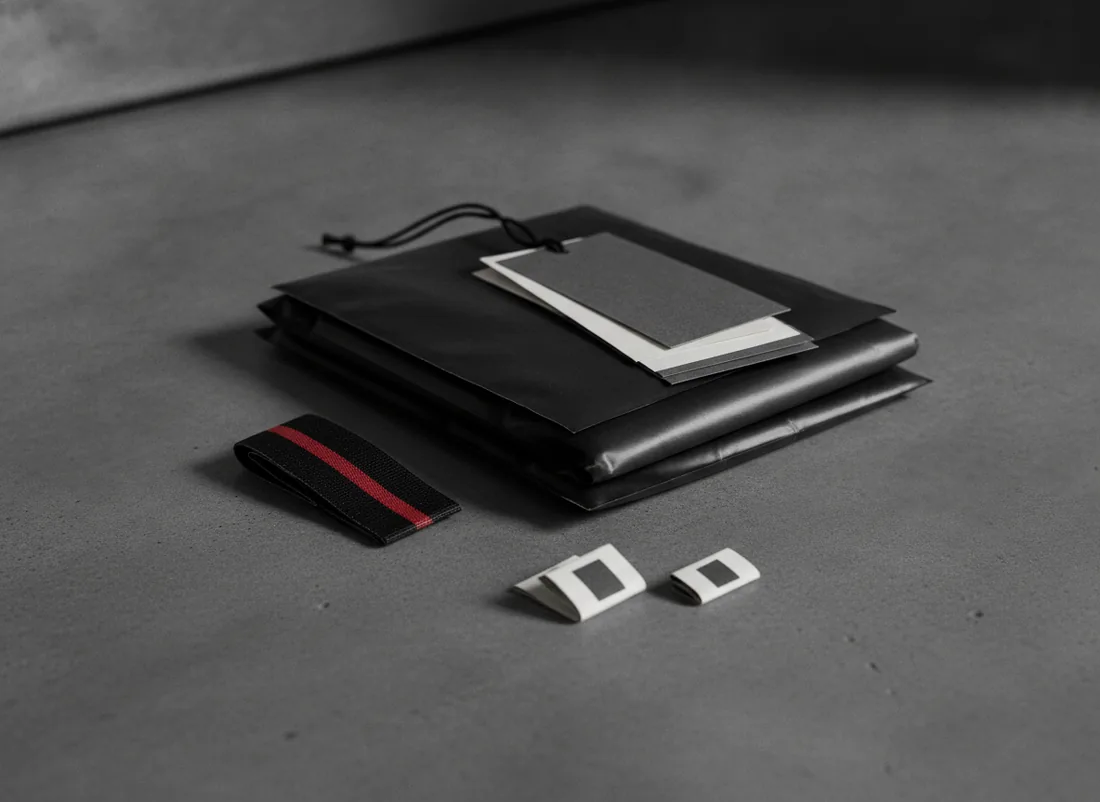
A full package build covers the entire manufacturing chain under one roof, or one accountable partner: sourcing fabric in the specified GSM and fiber content, sourcing trims like drawstrings and zippers, pattern making and grading across sizes, cutting, sewing and construction, in-house decoration such as screen print, DTG, embroidery, acid wash or all-over print, and private-label branding – neck labels, woven tags, hangtags and packaging.
Because one partner handles the whole chain, the brand deals with a single point of accountability if anything needs changing, rather than coordinating separate fabric, decoration and assembly suppliers and managing where responsibility falls between them.
Why full package suits most new brands
Sourcing heavyweight fabric is the single biggest barrier new brands hit when trying to manufacture on their own – mills typically sell in large minimum rolls that far exceed what a 50-to-300-piece launch needs. Full package removes this barrier because the factory has existing mill relationships and buys fabric at working minimums it can then pass through to smaller orders.
This lets a founder launch a line without becoming a supply-chain manager first. Design the product, approve a sample, receive finished goods – the entire sourcing and logistics layer that would otherwise consume months of a new brand’s time is handled by the manufacturer instead.
The full package production process, step by step
The sequence runs in a fixed order. First, the brand submits a tech pack specifying measurements, fabric, decoration and labeling. The factory then sources the specified fabric and trims, builds a pattern, and cuts and sews a pre-production sample from those exact materials.
The brand reviews and approves the sample, then the factory schedules bulk cutting, sewing, decoration and labeling at the approved order quantity. Finished goods are quality-checked against the approved sample, packed, and shipped worldwide via DDP door-to-door service, landing at the brand’s address with duties and customs already cleared.
Full package vs CMT
Full package production
Factory sources fabric, trims and all inputs needed, delivering a finished garment. One accountable partner. Faster path for brands without an existing supply chain.
CMT
Brand sources fabric and trims. Factory cuts, sews and finishes only. Suits brands with established mill relationships and sourcing capacity.
See the full breakdown at CMT vs full package production, or read the standalone definition of CMT manufacturing.
MOQ under full package production
Because the factory sources fabric across its own broader purchasing, mill minimums are absorbed into the factory’s overall buying rather than falling on one brand’s order. This is what allows a full package MOQ to start at 50 pieces per design, a level a single brand sourcing fabric independently could rarely reach on heavyweight cotton or fleece.
This MOQ applies per design, not per order, so a brand launching three styles in one drop can order 50 pieces of each rather than needing 150 units of a single design to hit the minimum. That flexibility matters for a first collection testing multiple styles before committing to reorders.
Private labeling under full package
Full package production includes complete private-label integration as standard: custom neck labels, woven tags, hangtags and branded packaging are specified in the tech pack and applied by the factory during construction and finishing, alongside the garment’s decoration. The brand never touches a generic or unbranded product at any stage.
This differs from CMT, where the brand typically sources and ships its own labels separately. Under full package, one submission – the tech pack – covers both the garment specification and the private-label details, simplifying what the brand has to manage to a single document.
Quality control in a full package build
Because the factory controls all inputs from fabric to finishing, quality control runs as one continuous process rather than a handoff between separate suppliers. Incoming fabric is checked against the specified GSM and colorway, in-process inspection catches construction issues during sewing, and final inspection checks the finished garment against the approved pre-production sample before packing.
This end-to-end oversight is one of full package’s clearest advantages over CMT: there is no ambiguity about whether a fault originated in materials or construction, since one manufacturer is responsible for both, and one manufacturer is accountable for resolving whatever went wrong.
Shipping under full package production
Finished goods under full package ship worldwide via DDP (Delivered Duty Paid) air freight, arriving door-to-door in 5 to 9 days depending on the destination market, with duties and customs clearance already handled before the shipment reaches the brand’s address. This means the landed cost quoted at order time is the final cost, with no customs surprise on arrival.
Because the factory manages sourcing, production and shipping as one continuous chain, there is also no separate freight leg for incoming materials the way there is under CMT, where fabric first has to reach the factory from a brand’s own supplier before production can begin.
Reorders under full package production
Once a design has an approved tech pack and pre-production sample on file, reordering the same style does not require resampling unless fabric, colorway or decoration changes. The factory holds the approved spec and reorders against it directly, which is one reason full package suits brands planning to run multiple production cycles on their core styles rather than one-off drops.
This consistency, garment after garment and reorder after reorder, is part of what full package production is built to deliver – a repeatable standard rather than a build that has to be re-negotiated each time. For a brand running quarterly reorders of a core hoodie or t-shirt style, that repeatability is often more valuable long-term than the marginal cost saving a CMT arrangement might offer once fabric sourcing and freight are counted in.
Fabric options available under full package
Because the factory is sourcing on the brand’s behalf, full package production opens access to a range of fabrics a small independent order could not reach at a workable minimum: 240-400+ GSM cotton in combed or carded grades, French terry for a mid-weight sweatshirt hand-feel, and brushed-back fleece for maximum warmth on heavyweight hoodies.
A brand chooses the fabric weight and construction that fits its product – a lighter 240 GSM cotton for a warm-climate tee, a 380 GSM fleece for a cold-market hoodie – and specifies it in the tech pack. The factory then sources that exact material rather than substituting a close alternative, which is confirmed at the pre-production sample stage.
Decoration methods available under full package
All of our in-house decoration methods run within the full package model: screen print and DTG for graphic placement prints, puff and flat embroidery for raised or flat logo work, acid wash and garment dye for finished-garment coloring effects, tie-dye for pattern-based coloring, and all-over print for full-coverage sublimated graphics.
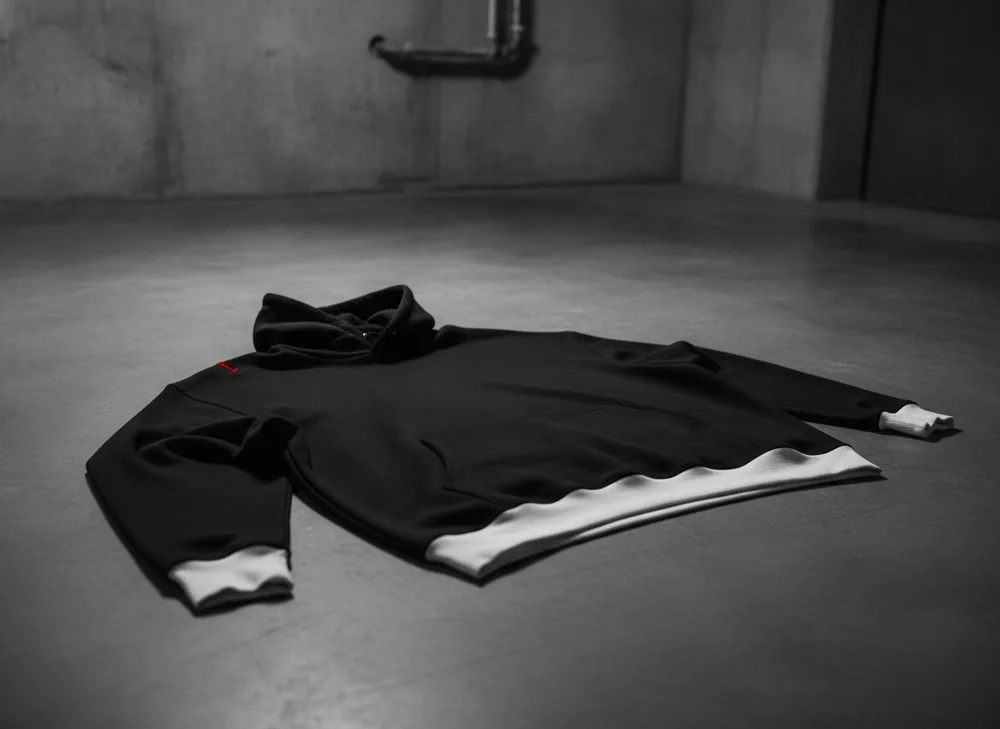
A brand can combine methods on one style – an embroidered chest logo with a screen-printed back graphic, for instance – and the factory sequences the decoration correctly (acid wash or garment dye before embroidery, for example) without the brand needing to manage that sequencing itself.
Full package for multi-style collections
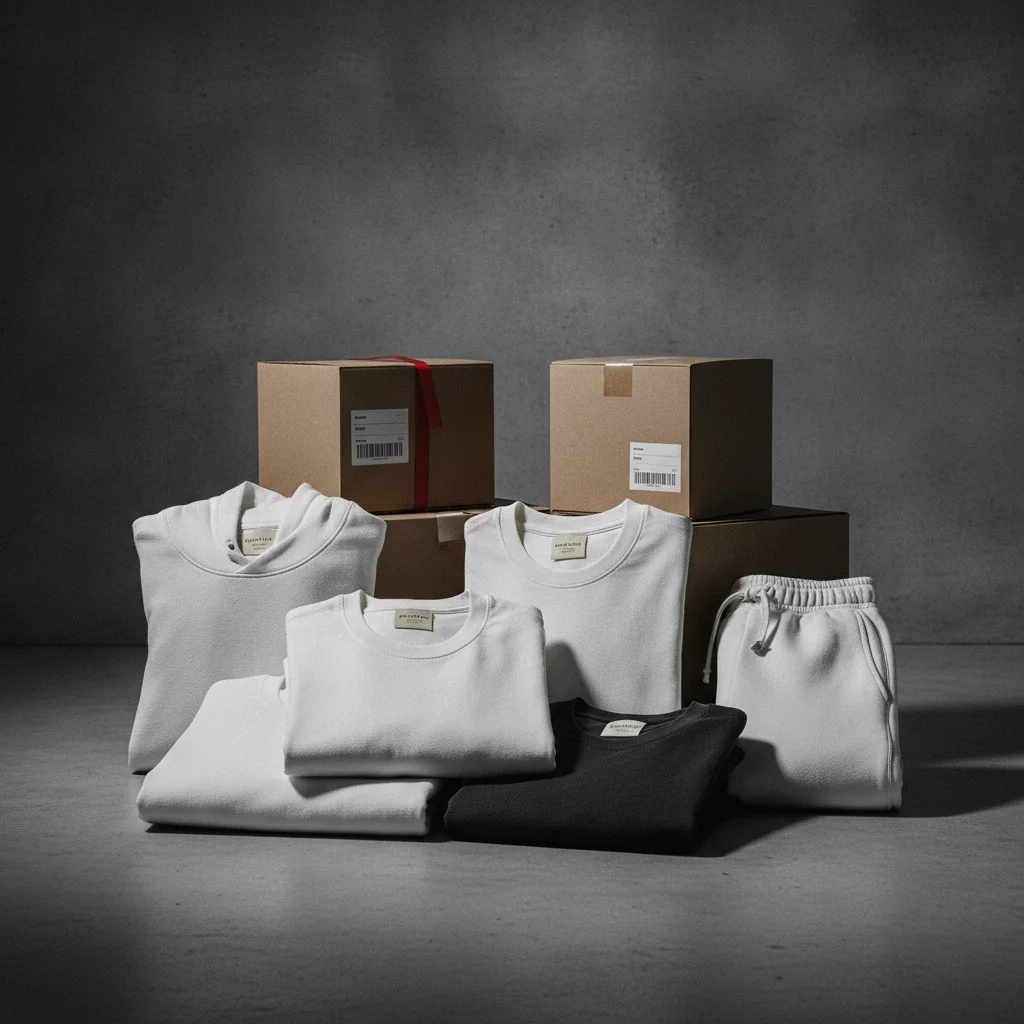
Brands launching a coordinated collection – a hoodie, sweatshirt and matching shorts in the same colorway, for example – benefit from full package’s single-partner structure, since one factory sources consistent fabric lots and colorway matching across all styles in the drop, rather than a brand coordinating that consistency across separate CMT suppliers for each product.
This matters most for colorway-matched collections, where a fabric dye lot difference between a hoodie’s fleece and a t-shirt’s jersey would be visible if two different sources supplied the fabric independently. One factory managing the whole collection reduces that risk considerably.
How Minku runs full package production
Full package is our standard production model. We source 240-400+ GSM cotton, French terry and fleece, cut and sew to your tech pack, apply in-house decoration – screen print, DTG, embroidery, acid wash, tie-dye or all-over print – and finish with your private-label branding, all before a single sample or bulk unit ships.
Send your design or tech pack and we will confirm fabric, decoration, private-label details and MOQ for your product, along with a timeline covering sampling through DDP shipping to your market. Start on our cut-and-sew manufacturing page, within our broader custom clothing manufacturing service, or Get Your Custom Quote.
What Is Full Package Production (FPP)? — In Detail