Private label clothing is built to your design and branded entirely as your own, while white label clothing is a pre-made garment from a shared catalog that any brand can stamp its logo onto. Minku Apparel manufactures private label exclusively – custom neck labels, woven tags, hangtags, and packaging on garments cut to your tech pack, sampled and approved before bulk, from 50 pieces per design.
Why Brands Confuse These Two Models
Private label and white label both end with a garment carrying your brand’s logo, which is exactly why the two terms get used interchangeably online. The difference is what happens before the logo goes on. Private label starts with your design brief – fit, fabric, construction, decoration – and the factory builds a garment from scratch (or from a base block modified to your specs) that exists nowhere else. White label starts with a factory’s existing blank product line, and your logo is the only thing that changes between your version and any other brand buying the same blank.
Neither model is inherently better. The right choice depends on how much control a brand needs over fit and fabric, how fast it needs to launch, and how differentiated the product needs to look next to competitors selling the identical white label blank with a different tag sewn in.
Private Label: Full Control From the Ground Up
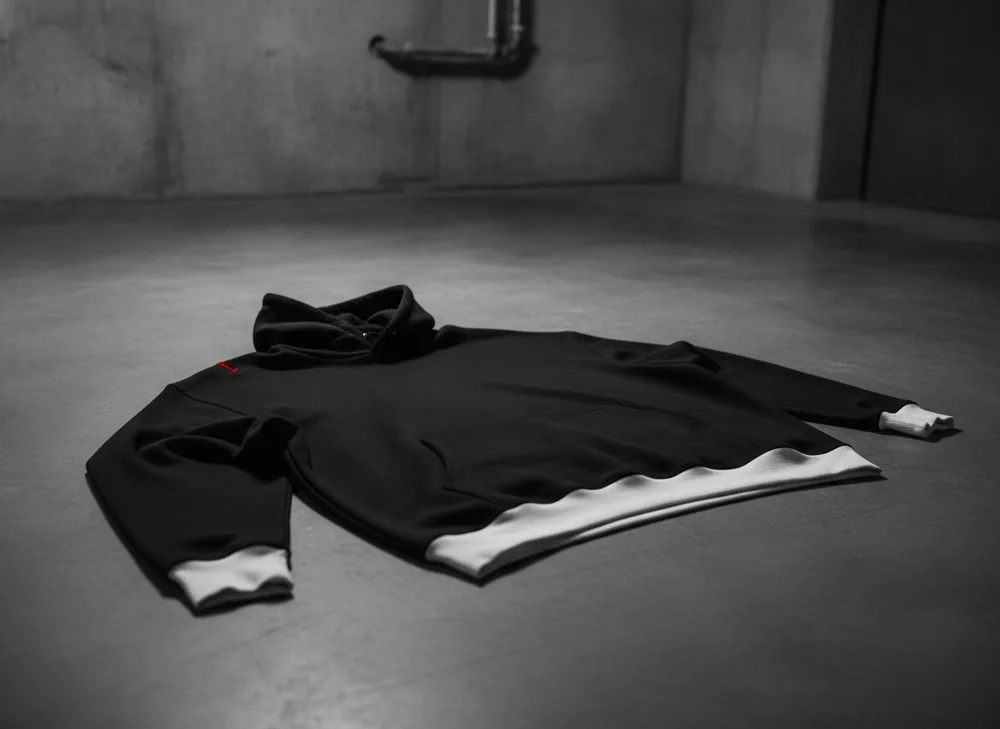
Private label manufacturing means the brand controls the fabric weight, the cut and fit, the decoration method, and each trim detail from the neck label to the hangtag. A brand working with Minku sends a tech pack – or works with us to build one – specifying GSM, fit (boxy, oversized, drop-shoulder), and decoration (screen print, DTG, puff embroidery, acid wash, garment dye). We sample the garment, the brand approves it, and only then does bulk cutting begin. The resulting hoodie or t-shirt is unique to that brand; no other label is selling the identical product.
What Private Label Includes at Minku
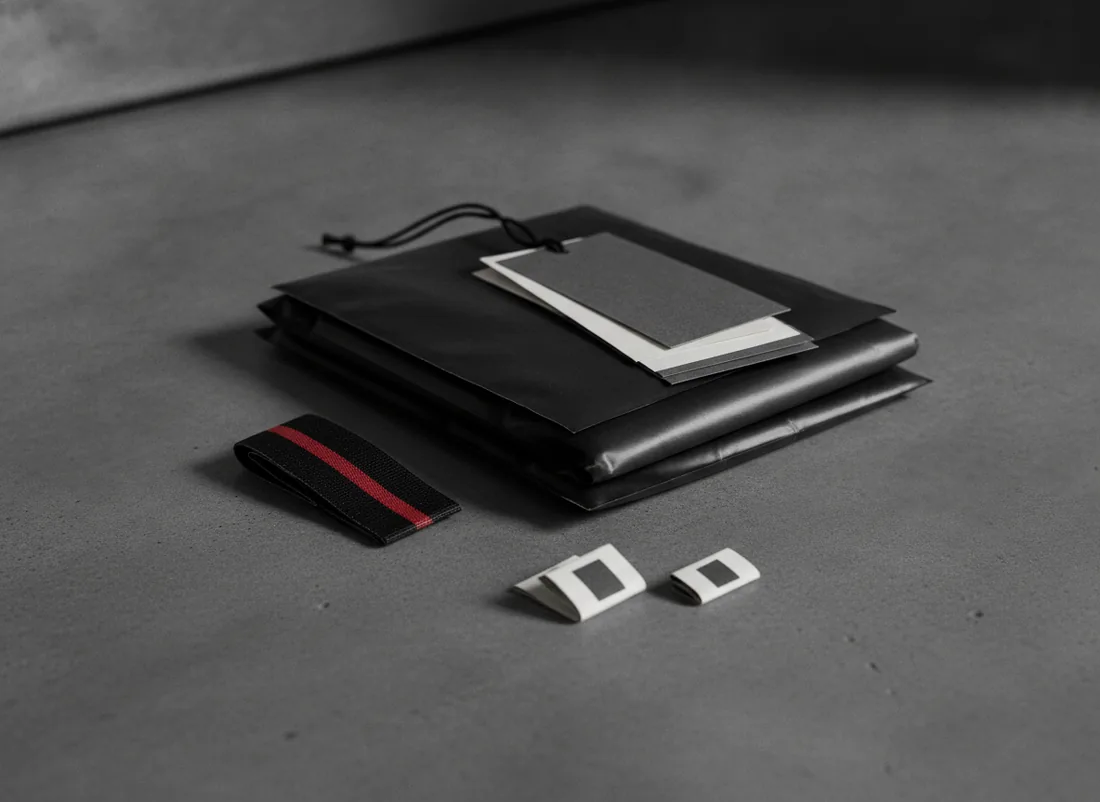
All private label orders cover custom neck labels (woven or printed), woven brand tags, branded hangtags, and packaging built around the brand’s identity – not a generic factory insert. Fabric ranges from 240 to 400+ GSM across cotton, French terry, and fleece, and decoration happens in-house rather than through a third-party subcontractor, which keeps quality control and turnaround inside one factory relationship.
White Label: Speed From an Existing Catalog
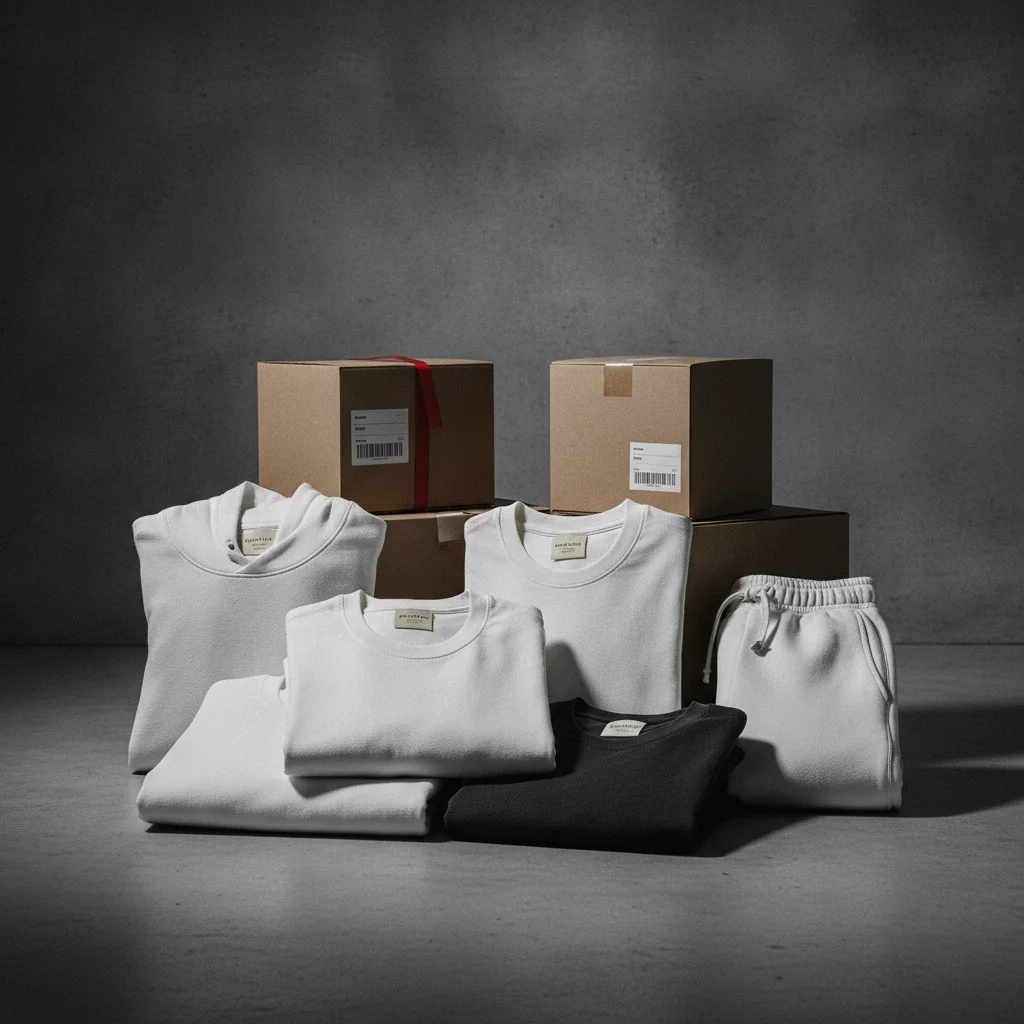
White label manufacturing works from a factory’s existing blank product – a standard-fit t-shirt or hoodie already in production – and the only customization is the branding applied on top. A brand picks a style number from a catalog, adds a logo through screen print or embroidery, and the garment ships. There is no tech pack, no fit modification, and often no fabric choice beyond whatever the base blank uses.
The trade-off is speed and lower complexity in exchange for zero product differentiation. If a competitor sources from the same white label catalog, both brands may be selling a functionally identical garment with different chest logos.
Private Label
Custom fit, fabric, and decoration built to your tech pack. Unique to your brand. Sampled and approved before bulk. Full custom labels, tags, and packaging.
White Label
Pre-made blank garment from a shared catalog. Logo added on top. Faster to launch, less differentiation. Fit and fabric fixed by the factory’s existing stock.
Cost Comparison: Where the Money Actually Goes
White label typically costs less per unit at low volume because there is no tooling, sampling, or tech-pack development cost – the factory is already running that identical blank at scale for multiple clients. Private label carries a modest upfront investment in sampling and tech-pack refinement, but at MOQs starting from 50 pieces per design, that investment stays proportionate to a real brand launch rather than a side-project markup exercise.
| Factor | Private Label | White Label |
|---|---|---|
| Design ownership | Fully custom to brand’s tech pack | Pre-made, shared across brands |
| Typical MOQ | From 50 pcs per design | Often lower, sometimes single units |
| Fabric choice | Full range (240-400+ GSM) | Fixed to factory’s existing blank |
| Sampling before bulk | Standard, tech pack + pre-production sample | Rarely needed – product is unchanged |
| Product differentiation | High – unique to your brand | Low – same garment across clients |
| Branding depth | Custom labels, tags, packaging | Logo application only |
Which Brands Should Choose Which Model
A brand launching its own streetwear line with a real fit point of view – oversized silhouettes, a specific fabric weight, a signature wash or print technique – needs private label, because the product itself is the differentiator. A brand testing a merch drop, running a short-lived collaboration, or needing volume fast with minimal design input may find white label sufficient, since the branding carries the entire value proposition rather than the garment construction.
Most streetwear brands that plan to build long-term equity choose private label from the start, because a fit or fabric signature becomes recognizable over multiple drops in a way a shared blank never can.
Sampling and Approval: The Step White Label Skips
Because private label garments are built to spec, the process always includes a pre-production sample stage – the brand sees and approves the actual fit, fabric hand-feel, and decoration before a single bulk unit is cut. White label skips this step almost entirely, since the product already exists and is presumably already known to perform at whatever quality level the factory has established.
This sampling stage is where most quality issues get caught before they become a 200-unit production problem. It is one of the strongest arguments for private label when a brand cares about long-term consistency across reorders.
Can a Brand Mix Both Models?
Some brands start with white label to test a market with minimal investment, then move core styles to private label once a design proves it sells. Minku supports brands at either stage – a founder can start with a simpler private label run at 50 pieces on a base style, then evolve the tech pack over subsequent drops rather than staying locked to someone else’s blank indefinitely.
What a Tech Pack Adds That a Catalog Cannot
A tech pack captures exact measurements at each point of the garment – chest width, body length, sleeve drop, hem finish – so the factory reproduces the same fit reorder after reorder. A white label catalog blank has no such document tied to the brand; the specification belongs to the factory, and it can change between production runs without notice. Brands that have invested time in dialing in a signature fit gain the most from private label, because the tech pack locks that fit in as the brand’s own reference point rather than leaving it at the mercy of a supplier’s next batch of stock.
A tech pack also records grading across sizes – how the fit scales from small to 2XL – which a white label catalog rarely documents in a way the brand can access. Without that grading record, a brand switching suppliers later has no way to reproduce its own size run accurately, while a private label brand can hand its tech pack to a new manufacturer and expect a comparable result.
Trims, Packaging, and the Unboxing Experience
Private label extends past the garment itself into how it arrives. Custom hangtags, branded poly bags or boxes, and woven or printed neck labels all reinforce a brand’s identity from the first touchpoint. White label garments typically arrive with generic factory trims that a brand must remove or cover, adding a labor step and cost that private label avoids by building the branding in from the start.
Reorder Consistency Over Time
A private label brand reordering six months later hands the manufacturer the same tech pack, the same approved lab dip or fabric reference, and gets a garment that matches the first run closely. A white label brand reordering the identical catalog number has no such guarantee – the factory’s blank can shift in fabric source, fit block, or construction between production cycles without the brand having any documentation to flag the change. This consistency gap widens the longer a brand stays on a white label model, which is part of why most labels migrate to private label once a style proves it sells.
How Minku Structures Private Label Orders
All Minku orders begin with a design conversation – fabric, fit, decoration – followed by tech pack development if the brand does not already have one, then a pre-production sample for approval. Once signed off, bulk cutting starts at 240-400+ GSM depending on the product, decoration happens in-house, and the finished garments ship worldwide under DDP terms with custom labels, tags, and packaging already applied.
Want to move your brand onto a fully private label production line? Get Your Custom Quote and send us your fit, fabric, and decoration brief.
Learn more about how full custom manufacturing works on our private label clothing manufacturer page, or see the bigger picture at custom clothing manufacturer.
Private Label vs White Label Clothing — In Detail