Minku Apparel manufactures custom sweatsuits for Seattle streetwear brands from 50 pieces per design, cut in 240-400+ GSM fleece or French terry with a brand’s own labels sewn in before production ships. Each order is sample-approved first and DDP-shipped door-to-door to Seattle in 5 to 8 days, so a Pacific Northwest founder can plan a fall drop around a fixed production and shipping window instead of an open-ended factory estimate.
Seattle’s streetwear scene still carries its grunge-era DNA – layered, weather-built, unpolished on purpose – while a newer wave of independent labels adds cleaner graphics and tighter production values on top of that heritage. A sweatsuit line here has to solve a real problem before it solves a style one: nine months a year of rain, a damp cold that punishes thin fabric, and a customer who wears a sweatsuit as a functional outer layer, not only loungewear.
Custom Sweatsuit Manufacturing for Seattle’s Climate and Culture
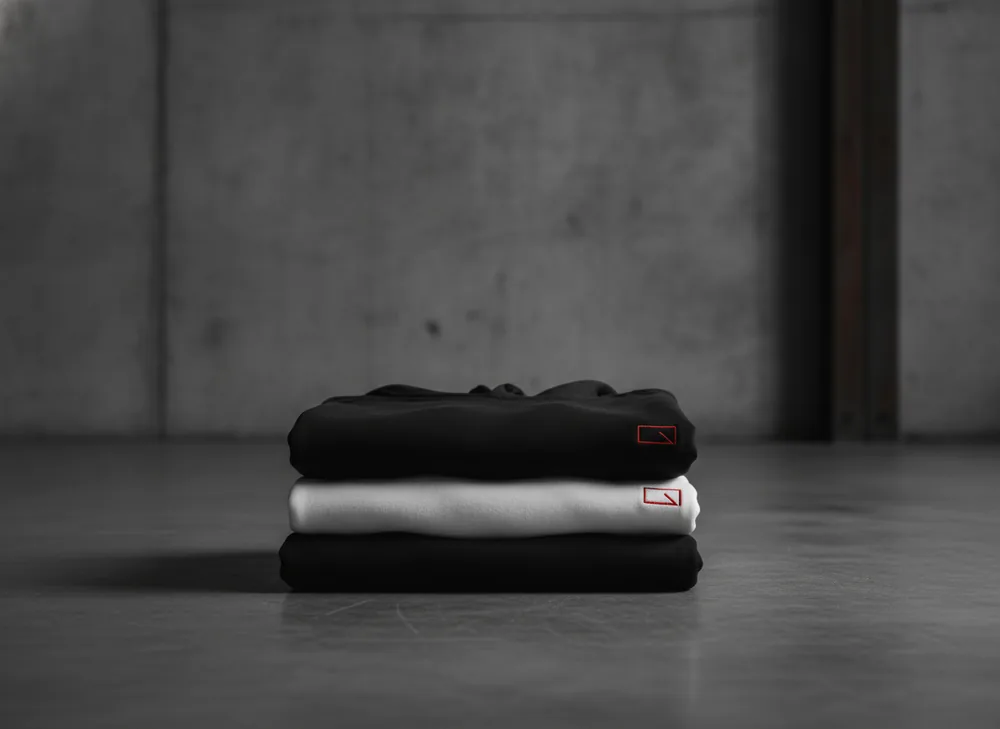
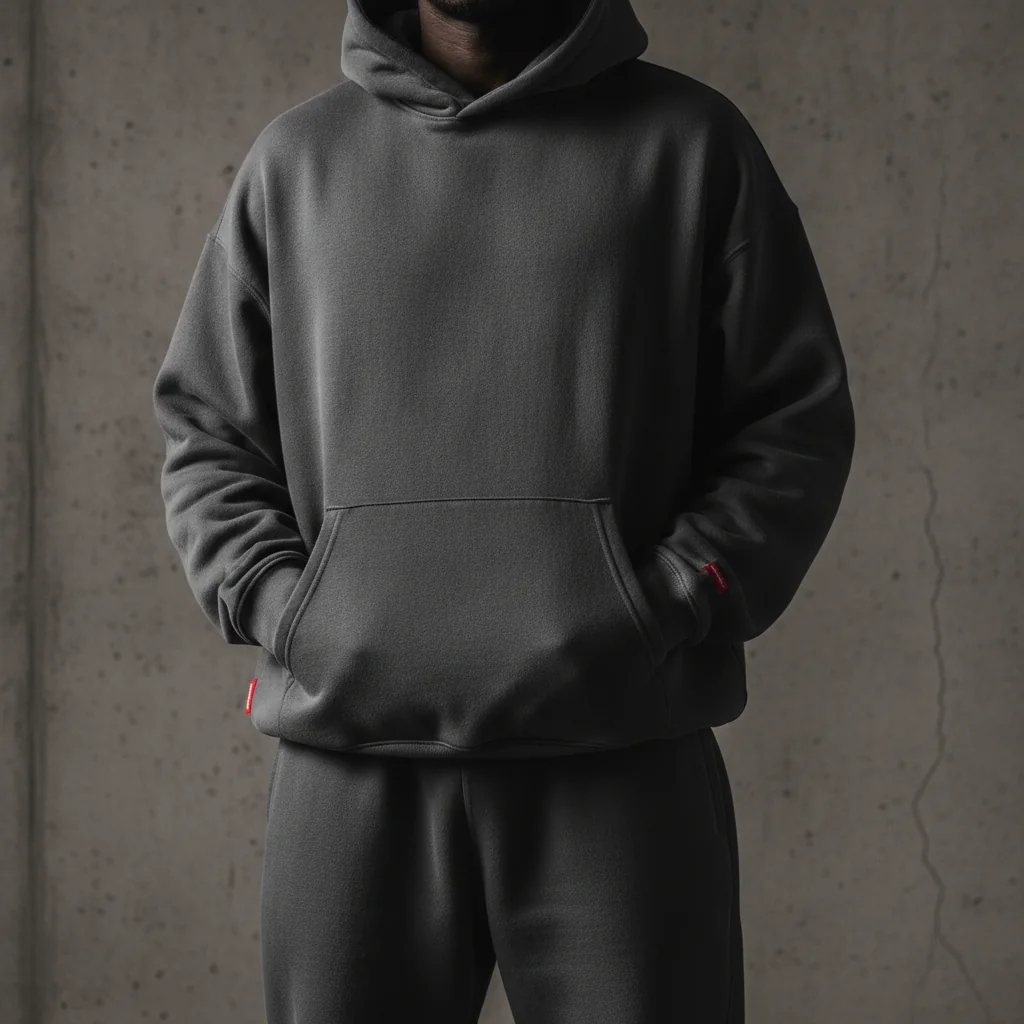
A sweatsuit set pairs a hoodie or crewneck top with a matching jogger, cut from one fabric roll and dyed in one batch so the top and bottom never mismatch after a wash. Minku produces the full set – top, bottom, and add-ons like a beanie – as one private-label package for Seattle brands, with fabric weight, drawstring hardware, and label placement locked at the tech pack stage rather than left to a factory default.
Because Seattle sees rain across most months of the year and rarely gets hot, Minku recommends the upper end of the GSM range – 320 to 400+ – for brands building a set meant to double as an actual outer layer rather than a lightweight lounge piece.
Fabric & Construction for a Genuine Pacific Northwest Layer
Minku cuts Seattle sweatsuit orders in brushed-back fleece for maximum warmth and density, or French terry for a lighter drape with visible loop texture on the reverse. Both run from 240 GSM up through 400+ GSM, and a Seattle drop built for actual daily wear through fall and winter should sit at 320 GSM or heavier.
Construction that survives a wet climate
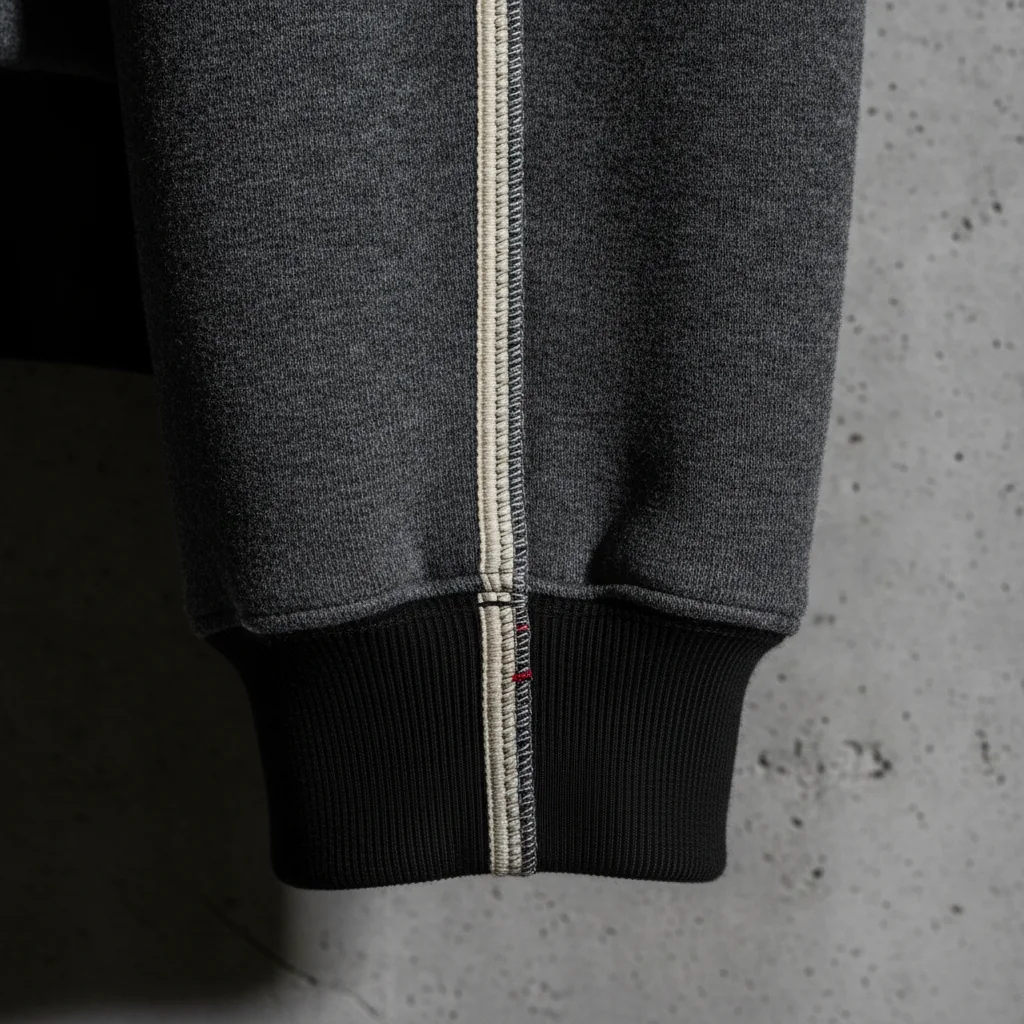
Ribbed cuffs and waistband hold shape after repeated damp-weather wear, flatlock seams reduce chafing under a rain shell, and a reinforced drawstring channel with a metal-tipped cord resists the fraying that a lighter construction shows after one soaked-and-dried season. These specs are written into each Minku tech pack, not left as an assumption for the factory floor.
Fit & Silhouette Options
Seattle’s independent labels favor an oversized or boxy top paired with a straight or tapered jogger, a silhouette that layers cleanly under a shell jacket without bunching. Minku produces drop-shoulder, cropped, oversized, and regular fits from the same fabric base, so a brand can run two silhouettes from one production batch to hit MOQ without ordering separate fabric.
Running a standalone hoodie alongside the matching set? See custom hoodie manufacturing for Seattle for specs built from the same fabric order.
Decoration Methods for a Seattle Streetwear Identity
Screen print carries bold, flat graphics well on the heather-grey and muted earth tones common in Seattle’s grunge-adjacent palette. Puff embroidery raises a wordmark or patch-style logo off the chest or hood for a finish that suits the layered, outdoor-adjacent look popular here. DTG handles detailed or photo-real artwork in shorter runs, and acid wash or garment dye gives a set the faded, worn character that matches Seattle’s unpolished streetwear lane without looking unfinished.
All-over print and tie-dye are also produced in-house for brands chasing a louder visual signature over the muted Seattle default.
Private Label & Packaging for Your Seattle Brand
Each sweatsuit ships with a custom woven neck label, main label, and size/care tag sewn in during construction, not applied as an afterthought once the garment is finished. Hangtags, polybags, and branded boxes are produced alongside the garments, so a Seattle brand receives finished, sellable inventory ready for a pop-up, a boutique consignment deal, or direct fulfillment.
Full detail on the package at custom labels, tags, and packaging.
MOQ & Pricing for a Seattle Launch
Minku’s 50-piece MOQ per design lets a Seattle brand launch a two-colorway sweatsuit drop at 100 total units, a workable first order for testing demand in a market that rewards quality over volume. Per-unit cost is driven by the factors below.
| Factor | Impact on Cost |
|---|---|
| Fabric GSM | Heavier fabric (320-400+ GSM) raises cost, adds warmth and structure for wet climates |
| Decoration method | Puff embroidery and all-over print cost more than single-color screen print |
| Order quantity | Per-unit cost drops as quantity per design rises past 50 |
| Packaging | Branded boxes and hangtags add a fixed per-unit cost over polybag-only |
Full breakdown at MOQ and pricing.
Sampling & Production Process
Each Seattle order starts with a tech pack – measurements, fabric spec, trim, and label placement – followed by a fabric lab dip to confirm the exact color, then a pre-production sample sewn in the actual fabric and decoration. Bulk cutting begins only once that sample is approved, which protects a Seattle brand from discovering a GSM or fit mismatch across an entire 150-unit run.
Standard turnaround from approved sample to bulk-ready cargo runs 3 to 5 weeks depending on decoration complexity and order size, then DDP shipping adds the transit window below.
Common Sizing and Reorder Considerations
A frequent mistake among first-time Seattle brands is grading a size run off a single sample instead of a full graded spec sheet, producing a set where the medium fits true but the extra-large runs short in the sleeve. Minku locks a graded spec across XS-3XL at the tech pack stage, so a reorder placed a season later matches the original run in sleeve length and body length, not only chest width.
Reordering without drift
Because Minku retains the approved tech pack, fabric lab dip, and trim spec on file, a Seattle brand reordering the same sweatsuit design does not restart sampling from zero. Fabric is matched to the original lab dip within tolerance, keeping a repeat customer’s winter restock consistent with the original fall drop across multiple seasons.
See how to reorder from a clothing manufacturer for the full process, and custom jacket manufacturing for Seattle if a shell or coach jacket rounds out the same layering drop.
Layering Design Considerations for a Pacific Northwest Drop
A sweatsuit intended for daily Seattle wear behaves differently under a rain shell than one designed purely for indoor loungewear, and that changes the pattern, not only the fabric. Minku accounts for this at the tech pack stage by keeping sleeve and body proportions slightly closer to the body on the hoodie top when a brand confirms the set is meant to layer under outerwear, avoiding the bulk that an oversized cut adds under a shell jacket.
Colorway choices for a damp climate
Heather grey, forest green, and deep navy resist showing water spotting and road salt residue better than a flat black or bright white, a small but real consideration for a Seattle brand expecting daily outdoor wear rather than occasional streetwear styling. Minku’s fabric lab dip process locks these tones precisely across a production run so a reorder six months later still matches the original colorway.
Shipping & DDP to Seattle
Minku ships each Seattle order Delivered Duty Paid, meaning US duty and customs clearance are already covered in the landed cost quoted at confirmation – no separate customs bill lands at your warehouse door. Air-freight DDP transit from the Pakistan factory to Seattle runs 5 to 8 days, workable for a founder timing a fall or holiday drop with normal lead time.
Why Seattle Brands Manufacture Overseas With Minku
Domestic CMT Shop
Higher MOQ minimums, blank-stock reliance, narrow in-house decoration range, per-unit cost climbs fast under 200 units.
Minku Apparel
50-piece MOQ, full private label, six decoration methods in-house, sample-approved before bulk, DDP delivered to your Seattle door.
A Seattle founder who has priced local cut-and-sew production usually finds the same wall other Pacific Northwest labels hit: minimums built for wholesale blanks rather than a small first drop in two colorways. Minku’s factory structure is built around low-MOQ private label from the outset, which is why founders launching a first sweatsuit run choose an overseas partner over a domestic shop treating a 100-unit order as an afterthought.
The Seattle Streetwear Market and What It Means for Your Line
Seattle rewards a sweatsuit set that earns its keep as an actual outer layer through a genuinely wet, cold season, not one built for a photoshoot and abandoned after the first rain. Grunge heritage still shapes the city’s color palette and unpolished finish preferences, while a newer independent-label wave is pushing tighter construction and more deliberate decoration on top of that base. Build toward heavyweight fabric and layering-ready construction, and a Seattle line earns repeat wear across a full wet season instead of one dry-weather drop.
Ready to lock your Seattle sweatsuit spec? Get Your Custom Quote and send a tech pack or reference set to start sampling. For the national fabric and fit breakdown, see the custom sweatsuit manufacturer pillar page, and for the wider Seattle manufacturing picture across hoodies, tees, and jackets, see streetwear manufacturer in Seattle.
Custom Sweatsuit Manufacturer in Seattle – Sweatsuits for Your Brand | Minku Apparel — In Detail