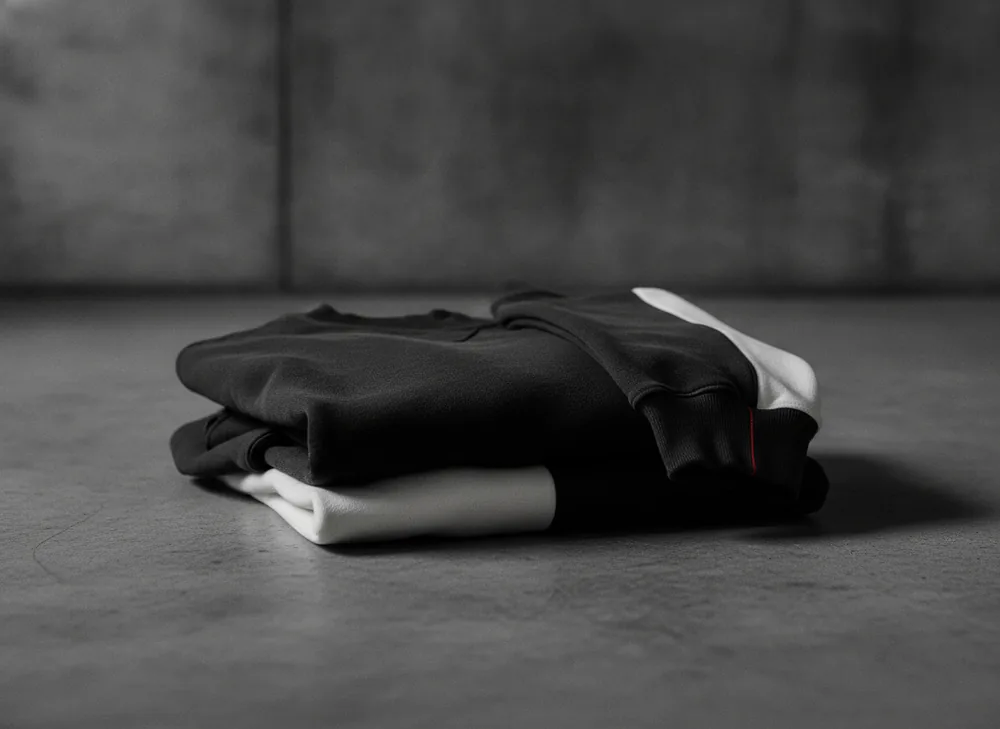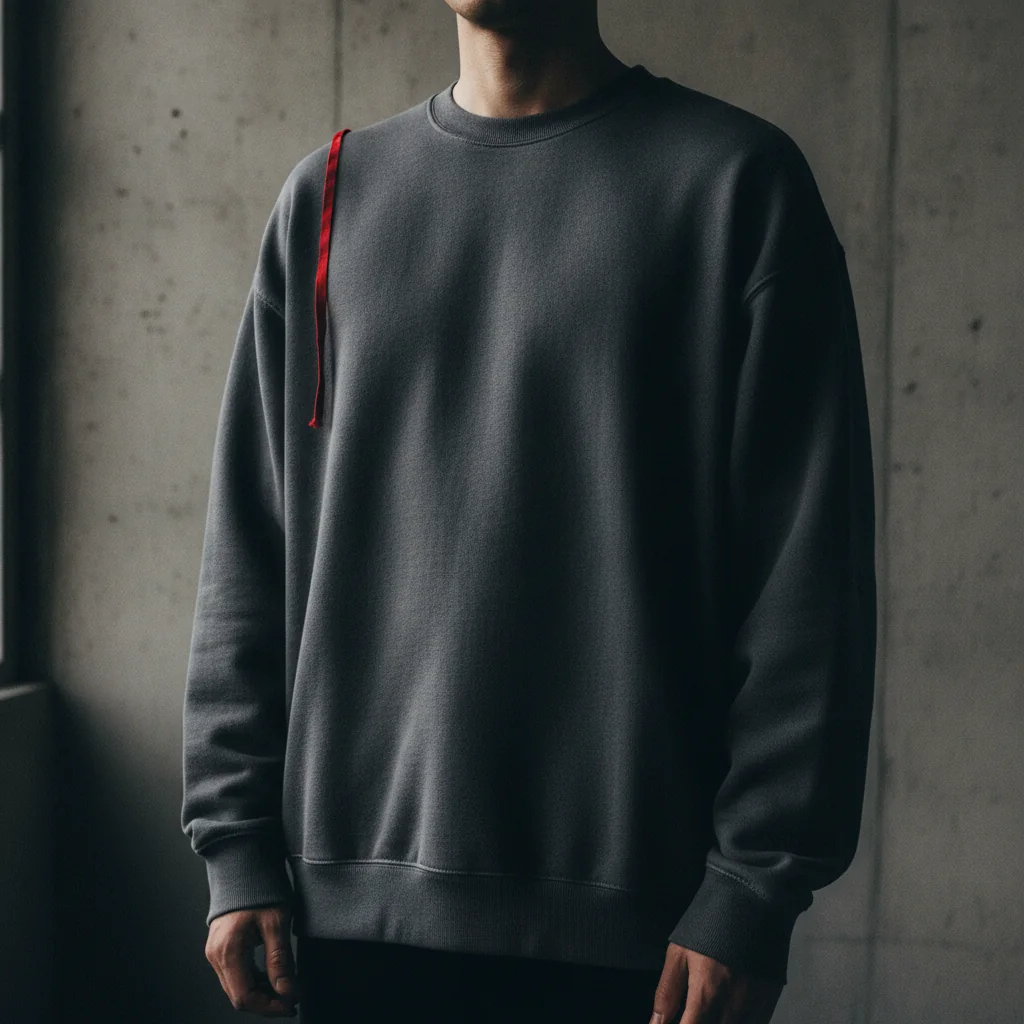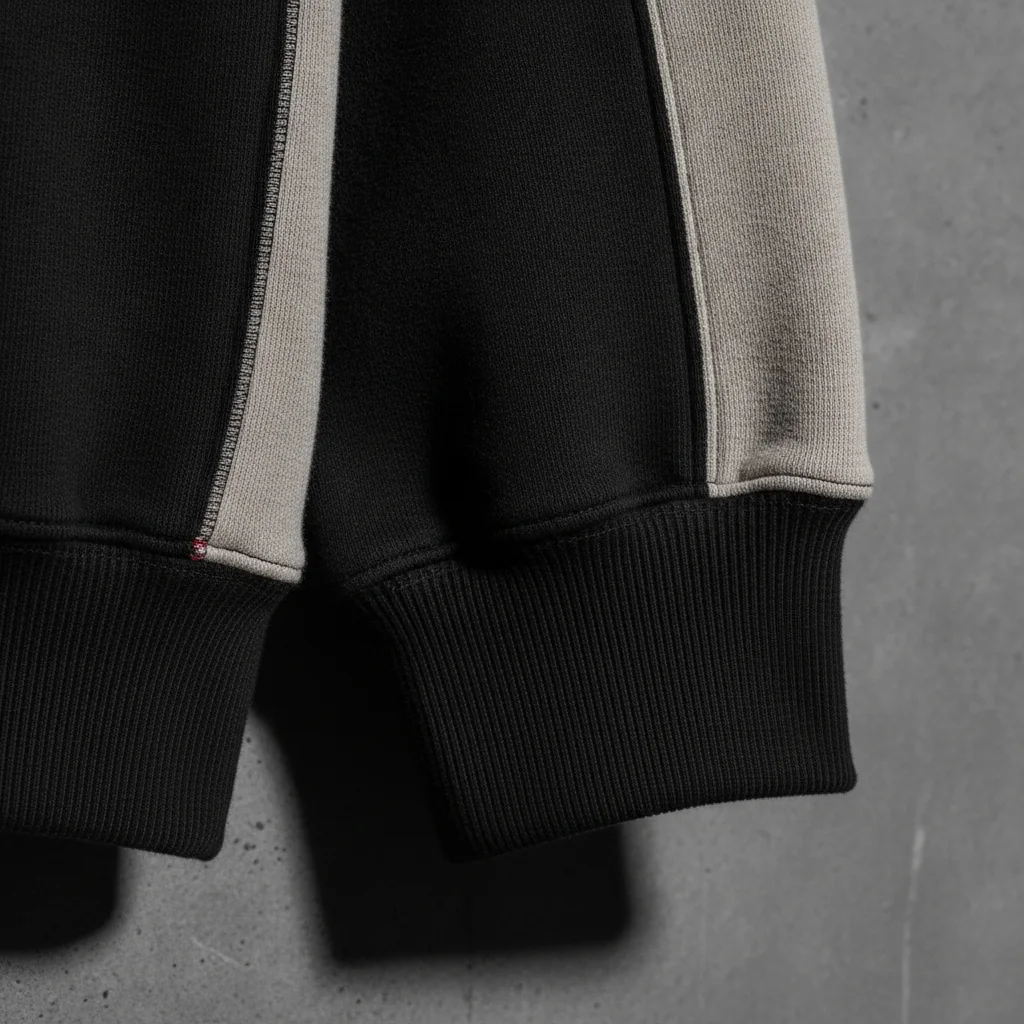
Minku Apparel is a custom sweatshirt manufacturer built for Seattle brands, producing crewnecks and quarter-zips from 50 pieces per design in 280-400+ GSM French terry and brushed fleece. Each run ships DDP door to door from our Pakistan factory to your Seattle warehouse in 5 to 8 days, landed cost fixed before the design leaves the sample room.
Seattle’s climate and its fashion history point in the same direction: heavier fabric that holds shape through a wet fall and a cold, damp winter. Brands building for the Pacific Northwest do not need a single mid-weight blank that works anywhere – they need a sweatshirt with enough GSM to layer under a shell jacket and enough structure to keep its shape after repeated rain exposure and washing. That is the brief we build each Seattle order around.
Custom Sweatshirt Specs Built for the Pacific Northwest
Our Seattle catalog runs from a 280 GSM lightweight crewneck for indoor-brand merch through a 400+ GSM heavyweight fleece built for outerwear-adjacent layering. Quarter-zips, mock-necks, cropped crews, and oversized silhouettes are all in scope, cut from 100% cotton, cotton-poly fleece, or French terry depending on the drape and stretch the design calls for. A tech pack lets us lock down exact panel construction – raglan sleeve, set-in sleeve, or drop-shoulder – before any fabric is cut.
Fabric Choices for a Rainy, Layer-Heavy Wardrobe
Fleece with a tight loop structure resists pilling under a rain shell far better than an open, brushed-back knit – we weight loop density accordingly on anything above 320 GSM. French terry stays the pick for lighter, indoor-facing product where drape matters more than insulation. For brands wanting a garment-washed, lived-in hand feel that still holds up to Seattle’s damp winters, our garment-dye process is applied after cut-and-sew so color settles evenly across heavier panels.
Cotton vs Cotton-Poly for Wet Climates
A 20-30% poly blend in the fleece back reduces water retention and cuts dry time between wears – a real consideration for a city that sees rain most days between October and April. 100% cotton still wins on hand feel and natural-fiber positioning for brands whose customers care about that distinction. We sample both blends on a single tech pack so your team can compare in hand before committing to bulk fabric.
100% Cotton Fleece
Softer hand feel, natural-fiber label appeal, slower dry time, best for indoor-forward or layered-under-a-coat product.
Cotton-Poly Fleece
Faster dry time, holds shape better through repeated damp-weather wear, slightly firmer hand feel, best for daily outer-layer use.
Fit and Silhouette Options
Regular, oversized, boxy, and cropped fits are all standard patterns in our library, plus a drop-shoulder block that has become the default for Seattle-adjacent streetwear labels chasing an off-duty, layered silhouette. We grade each block across a full size run and lock the fit on a pre-production sample before any bulk fabric is cut, so unit five hundred fits the same as unit one.
Decoration Methods Available In-House
Screen print, DTG, and puff or flat embroidery all run in-house at our factory, alongside acid wash, garment dye, tie-dye, and all-over sublimation print for brands wanting a full graphic panel rather than a chest hit. Puff embroidery on a heavyweight crewneck reads well against Seattle’s outdoor-brand aesthetic – raised logo texture against a matte, brushed fleece surface. Multi-color screen print stays the standard for bold graphic drops, while DTG covers short-run, photographic, or gradient artwork without a plate setup cost.
MOQ and Pricing for Seattle Brands
Fifty pieces per design is our floor, and it applies whether you are a first drop from a Capitol Hill studio apartment or a five-year label reordering a proven crewneck. Unit cost moves with GSM, blend, decoration method, and print coverage – a single-color chest logo on a 300 GSM crew costs meaningfully less per unit than an all-over print on a 400 GSM heavyweight, and we break both out on your quote so the comparison stays transparent.
| Factor | Lower Unit Cost | Higher Unit Cost |
|---|---|---|
| GSM | 280-300 | 360-400+ |
| Decoration | 1-color chest print | All-over print / puff embroidery |
| Blend | Cotton-poly | 100% combed cotton |
| Order size | 500+ pieces | 50-99 pieces |
Private Label and Packaging
Each Seattle order can carry your own woven neck labels, printed care tags, and hangtags, with poly-bag or branded box packaging built to your spec. This is full private label, not a rebrand of stock blanks – your brand name is the only one on the garment starting with the first sample.
Packaging choice matters more in a wet climate than most founders expect – a poly bag protects fabric from moisture during transit and warehouse storage, while a branded box adds unboxing weight for a direct-to-customer drop. We can run either, or a mix, on the same order without splitting your MOQ across formats.
Shipping, DDP, and Duty Notes for the US Market
DDP shipping covers US duty and customs clearance on our side, so the price on your invoice is the price that lands in your Seattle warehouse – no surprise customs bill on arrival. Air transit from our Pakistan factory runs 5 to 8 days door to door, which keeps a reorder cycle realistic even against a fast-moving drop calendar. That timeline holds for both a first 50-piece order and a 1,000-piece reorder, since bulk production and shipping run on the same DDP process regardless of order size.
The Seattle Streetwear Scene
Seattle’s fashion identity still carries its grunge-era DNA – flannel, distressed layers, and a workwear-adjacent color palette – but the current wave of independent labels out of Capitol Hill, Ballard, and Fremont leans toward outdoor-brand technical detailing crossed with skate and coffee-culture graphics. University of Washington-adjacent streetwear and tech-worker merch add a third thread: cleaner, minimal branding on a heavyweight base rather than loud graphics. Heavyweight fleece that can take a rain shell over it, muted earth-tone garment dye, and understated embroidery over loud screen print all read as native to the city rather than imported trend-chasing. Brands building merch for Seattle’s independent coffee, music, and tech-adjacent scenes consistently land in the 340-400 GSM range first.
Sampling and Production Process
Each Seattle order starts with a tech pack – your spec sheet covering fabric, GSM, fit, colorway, and decoration placement. We build a pre-production sample against that tech pack, ship it to you for approval, and only cut bulk fabric once you have signed off. Lab dips confirm colorway before full production, and a mid-production quality check catches stitch or print issues before the run finishes, not after it ships. Reorders skip the fit-approval step entirely once a block is locked, cutting the timeline for a repeat Seattle order by roughly a week.
Common Mistakes Seattle Brands Make When Sourcing Overseas
The most frequent error is choosing GSM by look rather than by climate use – a 260 GSM crew photographs well but pills quickly under a rain shell, while a 400 GSM version holds its finish across a full wet season. The second is skipping the pre-production sample to save a week, which routinely costs far more time later when a bulk run needs rework. The third is underestimating packaging lead time – hangtags and woven labels should be finalized alongside the garment sample, not after, so DDP shipping is not held up waiting on branding assets.
Quality Control and Durability Testing
Before a Seattle order ships, we run a pilling check on the fleece back, a wash test on the print or embroidery placement, and a seam-strength check on the raglan or set-in sleeve join – the three failure points that show up fastest in a wet, layer-heavy climate. A puff-embroidery patch that lifts after three washes or a screen print that cracks under a rain shell gets caught here, not after your customer has worn it twice. This same three-point check runs on each reorder, so a batch shipped in year three tests the same as your first fifty pieces.
Why Seattle Brands Manufacture Overseas
Domestic cut-and-sew in the Pacific Northwest typically carries a 150-300 piece minimum and a per-unit cost that makes a first drop hard to fund. An overseas factory relationship built on sampling first removes the guesswork – you see and approve the actual garment before 50 units of fabric are cut, and DDP shipping removes the customs-broker step that discourages first-time importers. That combination is why Minku works with brand founders from their first fifty-piece drop through year-three reorders.
Ready to build your Seattle sweatshirt line? Get Your Custom Quote and send us your tech pack, or explore our full custom sweatshirt manufacturer program, our streetwear manufacturer in Seattle hub, our custom hoodie manufacturer in Seattle page, or the heavyweight sweatshirt line built for cold, wet climates.
Custom Sweatshirt Manufacturer in Seattle – Sweatshirts for Your Brand | Minku Apparel — In Detail